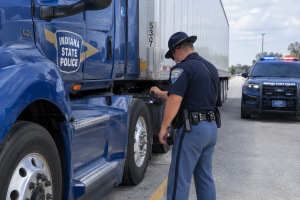
Truckers’ style is much more than workwear; it’s an identity. These are the most commonly worn garments among truckers.
Truckers’ style is much more than workwear; it’s an identity. It originated in the 1940s, when drivers began wearing denim for its durability, and became firmly established in the 1970s, when this aesthetic gained popularity across the country. Today, with designs focused on comfort without losing their original character, trucker style is recognized worldwide.
The combination of functionality, country culture, and road pride guides the way male and female truckers dress. Two key pieces define this look: denim and the classic trucker hat.
For decades, denim was considered the fabric of the working class in the United States. Its durability, breathability, and comfort made it the ideal ally for long workdays. Over time, it became emblematic among truckers and, to this day, remains one of the preferred fabrics for life on the road.
Trucker style: comfort and functionality
Although truckers prioritize comfort over trends, their way of dressing has ultimately influenced fashion. However, for those who spend long hours behind the wheel, what truly matters is having a functional wardrobe. These are the most commonly worn garments among truckers and the best options for hitting the road in style and comfort.
Most comfortable fabrics for the road
On average, truckers spend between 8 and 11 hours driving, making fabric one of the most important factors to consider when choosing clothing.
- Heavy cotton – Ideal for T-shirts. Breathable, durable, and resistant to losing its shape.
- Cotton-polyester blend – Lighter, quick-drying, and less prone to wrinkles. Perfect for long summer trips.
- Denim – Breathable and comfortable. Brands like Wrangler or Levi’s offer lines designed for work and mobility.
- Flannel – The classic “lumberjack shirt.” A timeless staple that works in fall, winter, and cool spring mornings.
- Moisture-wicking and temperature-regulating fabrics – Essential for extreme climates; these fabrics truly make a difference.
Tip: Layering is every trucker’s secret. Building outfits in layers is practical for days when mornings are cool, afternoons are warm, and nights turn cold again. The perfect formula is usually: T-shirt + open shirt + lightweight vest.
The most suitable clothing for every trucker
Real trucker style isn’t about the runway, it’s about practicality. This doesn’t mean all truckers dress the same, but most prioritize functionality over following trends.
Some of the most practical garments for truckers include:
- Straight-leg or relaxed-fit jeans
- Cargo pants for extra pockets
- Thick hoodies with wide hoods
- Trucker jackets or bomber jackets
- Quilted vests
- Basic T-shirts
Some of the brands that dominate the trucker world include Carhartt, Dickies, Ariat, Levi’s, and Wrangler. However, comfortable and functional clothing can be found anywhere.
In addition to clothing, footwear is also essential. A trucker needs stability, durability, and comfort when stepping out at truck stops, warehouses, and in challenging weather conditions. Most opt for the following:
- Western-style boots
- Work boots with reinforced toes
- Slip-resistant soles (a must)
- Athletic shoes with good traction
Key tip: Quality insoles make a significant difference.
Accessories
Caps are the hallmark of trucker style—those with a structured front, mesh back, and a large logo on the front are the primary accessory and a trucker’s signature piece.
Beyond caps, truckers typically wear sunglasses and watches, keeping accessories to a minimum to maintain functionality. Because, as established, trucker style never stops being practical.

What Is the Difference Between Class A, B, and C Licenses?
Commercial licenses are required to operate large or specialized vehicles; learn about the differences.

The Perfect Road Trip Playlist for Truck Drivers in June
Whether you’re crossing highways, desert routes, late-night roads, or just taking a short trip, the best companion on a road trip will always be a good playlist.

From Alcatraz to Modern Prisons: How Supply Trucks Operate Behind Maximum-Security Walls
Maximum-security prisons depend on highly controlled logistics networks to receive food, water, medicine, fuel, equipment and other essential supplies. Since Donald Trump floated the idea of reopening Alcatraz, one question has resurfaced: How are these facilities supplied, and what protocols must truck drivers and vendors follow to gain access?

Oakland’s New Speed Cameras Generate 82,000 Tickets in Just One Month
The cameras had been issuing warnings since January 14, 2026, and officially began issuing speeding tickets on March 15, 2026.

How Traffic Congestion Is Forcing Fleets to Rethink Operations
Traffic congestion is redefining freight transportation operations, what are fleets doing to survive?

Ten Ways to Improve Truck Fuel Efficiency and Reduce Costs
How better fuel efficiency can help truck drivers and fleets lower operating expenses and improve profitability