 Hable con un agente al (888) 572-7520
  Enviar mensaje a un agente

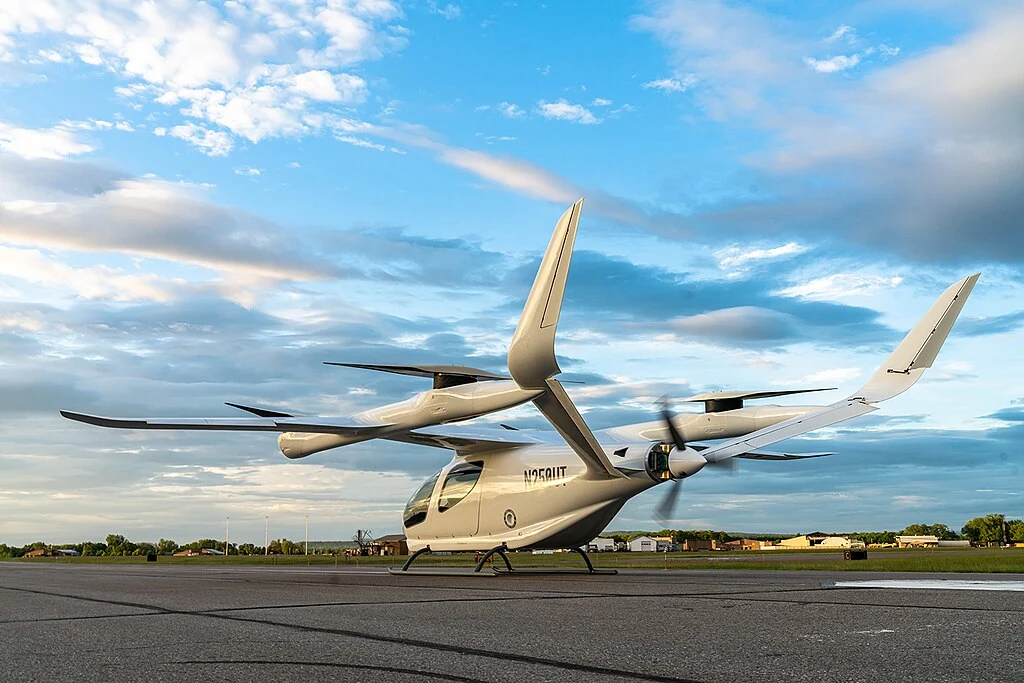

Flying vehicles have always seemed like something from the future, but it appears we may not be that far from achieving them anymore. On March 9, the Department of Transportation (DOT) announced the selection of eight electric air taxi proposals under the Advanced Air Mobility Pilot Program for Electric Vertical Takeoff and Landing Aircraft (eVTOL) and the Electric Vertical Takeoff and Landing Integration Pilot Program (eIPP), which was first presented to the public in 2025 by President Donald Trump.
The program, aimed at accelerating the integration of electric aerial vehicles into U.S. airspace, will grant permission for the selected projects to be deployed in cities such as New York and New Jersey through partnerships between the Port Authority of New York and New Jersey and the companies Joby Aviation, Archer Aviation, Beta Technologies, and Electra.aero Inc.
The selected projects will span more than two dozen states. Among them are proposals from the Texas Department of Transportation, the Pennsylvania Department of Transportation, and the North Carolina Department of Transportation.
Pilot program for electric air taxis: safe integration and advanced mobility
The program received 30 project proposals, of which eight were selected as winners. The chosen companies are working with regulators to obtain the necessary authorizations and begin testing as soon as possible, eventually leading to commercial operations. The program will allow them to partner with state and local governments to test their concepts in real-world environments before obtaining certification from the Federal Aviation Administration (FAA).
The program’s intention is to accelerate the safe integration of next-generation advanced air mobility aircraft into the national airspace and ensure that the United States leads innovation in the aviation sector, the DOT stated.
In its statement, the DOT noted that these pilot projects will create one of the largest real-world testing environments in the world for next-generation aircraft. In addition to offering the American public an exciting glimpse into the future of aviation, the FAA will use data from the pilot projects to develop new regulations that will allow this futuristic technology to be safely implemented at large scale. The American public is expected to begin seeing operations from this program in the summer of 2026.
The selected projects will operate across a total of 26 states, involving aircraft manufacturers, operators, and state partners. According to the DOT statement, the program includes a range of operational concepts, such as:
- Urban air taxi services
- Regional passenger transportation (including short takeoff and landing aircraft)
- Cargo and logistics networks
- Emergency medical response operations
- Autonomous flight technologies
- Maritime and energy-sector transportation

The future of transportation has arrived
The pilot program will last three years, during which operators will have the opportunity to demonstrate the viability of their products. During this time, participating cities will also begin developing the infrastructure needed to support the new aircraft and familiarize the public with them.
Some cargo flights within the pilot program may generate revenue under certain circumstances, according to the FAA.
“These collaborations will help us better understand how to safely and efficiently integrate these aircraft into the National Airspace System,” said FAA Deputy Administrator Chris Rocheleau. “The program will provide valuable operational experience that will help establish the standards needed to ensure the safety of advanced air mobility operations. We appreciate the strong interest reflected in the many proposals we have received.”
 Business hours: Monday to Friday from 8:00 AM to 5:00 PM. California time