 Hable con un agente al (888) 572-7520
  Enviar mensaje a un agente



Violations related to Electronic Logging Devices (ELDs) are among the most common issues found during roadside inspections by the Department of Transportation. Problems such as incomplete driving logs or failures when transferring data can lead to significant fines and negatively impact carriers’ Compliance, Safety, and Accountability (CSA) scores. That’s why it’s essential to understand what inspectors look for and how to avoid these mistakes.
ELDs have revolutionized hours-of-service tracking by providing greater accuracy, streamlining inspections, and reducing data manipulation. However, they also introduce new compliance challenges that both drivers and fleet managers must address.
Whether you’re driving or managing a fleet, understanding the most common ELD-related violations and how to prevent them is crucial. These errors not only carry financial costs but also affect operations, safety ratings, and, in serious cases, can place vehicles out of service.
How to avoid ELD violations
The Federal Motor Carrier Safety Administration (FMCSA) requires most commercial drivers to use certified ELDs to log their hours of service. This helps improve road safety, standardize recordkeeping, and make inspections more efficient.
During a Level I or Level III inspection, FMCSA inspectors verify that ELDs contain records for the current day and the previous week. Any violations are recorded in the FMCSA’s Safety Measurement System and affect CSA scores under the Hours of Service (HOS) compliance category. Frequent violations can trigger warnings, stricter inspections, or full audits.
Here are the most common ELD-related errors and how to prevent them:
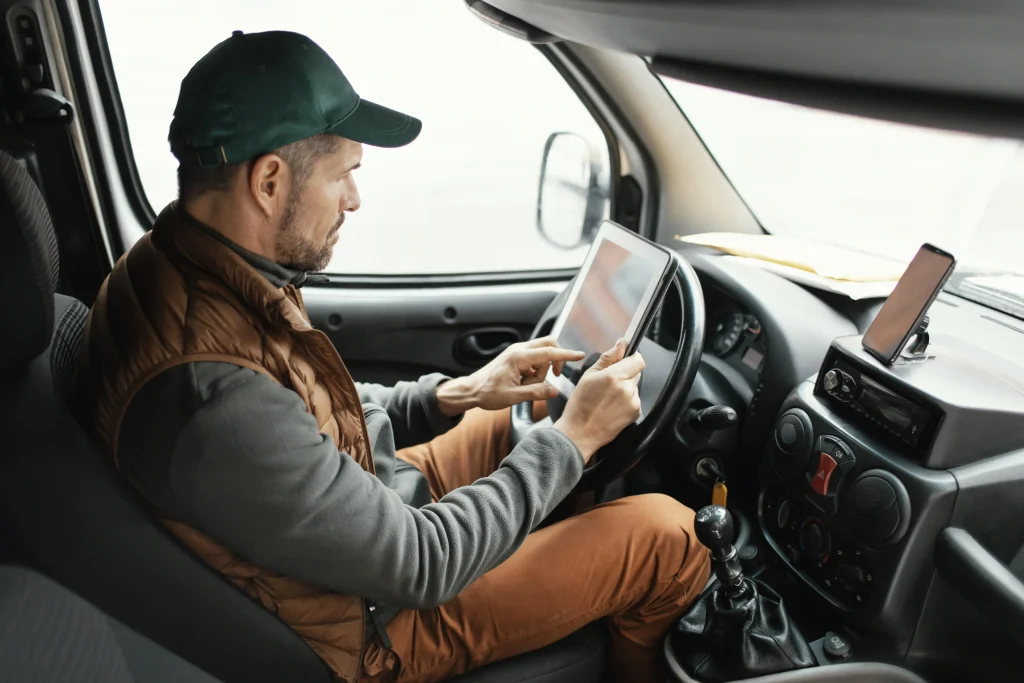
1. Not using an ELD when required
This often happens when drivers continue using paper logs despite being legally required to use an ELD, when a device has been removed for maintenance or replacement, or when there is a mistaken belief that an exemption applies.
To avoid this, verify your exemption status and ensure your device is properly installed after maintenance. Include this step in your pre-dispatch checklist.
2. ELD not registered with the FMCSA
The FMCSA periodically removes devices that do not meet its technical specifications. It’s important to stay informed about these removals and their deadlines, since using an unregistered ELD is equivalent to not having one at all.
Regularly check the FMCSA’s approved device list to ensure your ELD hasn’t been removed. If your provider is delisted, switch to a registered device immediately.
3. Incomplete or missing records
A frequent issue is that drivers forget or fail to log certain work or driving periods. These omissions create gaps that inspectors can easily detect.
Both the driver and the company are responsible for ensuring logs are complete. Record all applicable HOS and use your ELD’s timers and alerts to avoid violations.

4. Incomplete documentation
Drivers must always carry the required documentation to comply with regulations. Make sure driver profiles in the ELD system include correct names, IDs, and carrier information.
Review records regularly to identify missing fields or documentation.
5. Missing essential ELD materials
This includes the user manual, malfunction instructions, and at least eight blank paper logs for emergencies. Failing to present these during an inspection can result in penalties.
Keep these materials with your important documents and label them clearly so they can be quickly accessed during inspections.
6. Inability to transfer ELD data during an inspection
Inspectors may request electronic transfer of records via Bluetooth, USB, or email. If the transfer fails, it is considered a violation.
To prevent this, drivers should be trained on all available transfer methods and ensure devices remain charged.
7. Hours-of-service violations detected by the ELD
Exceeding the 11-hour driving limit, going beyond the 14-hour duty window, failing to take the required 10-hour rest period, or improperly using the mandatory 30-minute break are all violations. Since ELDs automatically record activity, these issues will be flagged during inspections and penalized.
If limits are exceeded accidentally, ELD alerts and timers are valuable tools to help avoid these situations.
 Business hours: Monday to Friday from 8:00 AM to 5:00 PM. California time