 Hable con un agente al (888) 572-7520
  Enviar mensaje a un agente

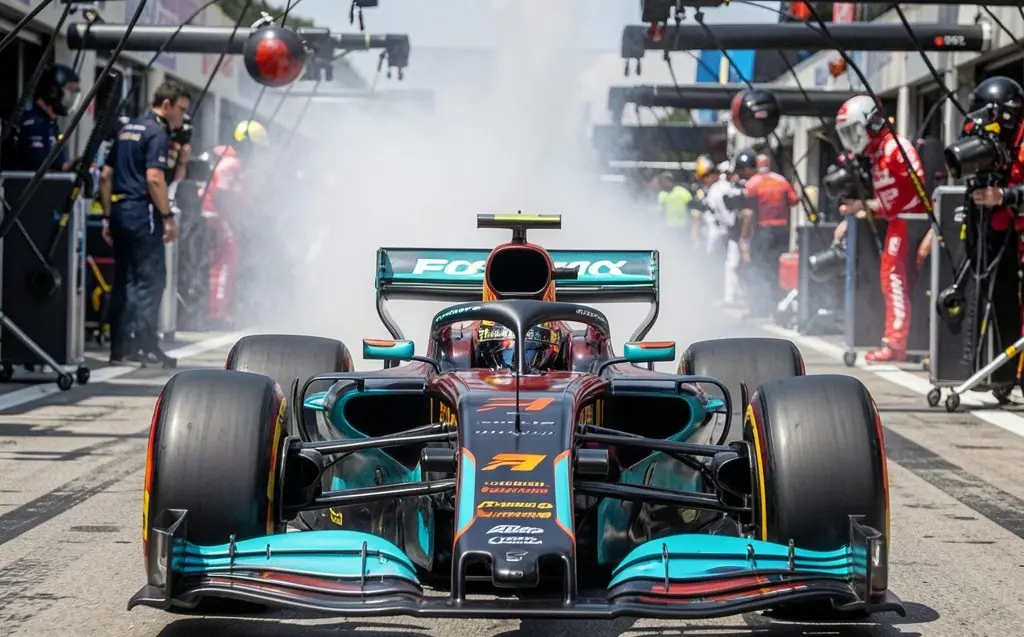

The recent 2026 Miami Grand Prix, held at the International Autodrome around Hard Rock Stadium, not only cemented Andrea “Kimi” Antonelli‘s status as the new benchmark after his victory over Lando Norris, but also became a living laboratory for the heavy-haul trucking industry in the United States.
With track temperatures exceeding 50°C (122°F), the teams faced thermal challenges directly related to the daily operations of long-haul truckers. Energy management and mechanical efficiency under extreme conditions were the cornerstones of an event that injected more than $450 million into the Florida economy, reaffirming that logistics is the true fuel that powers this high-speed spectacle.
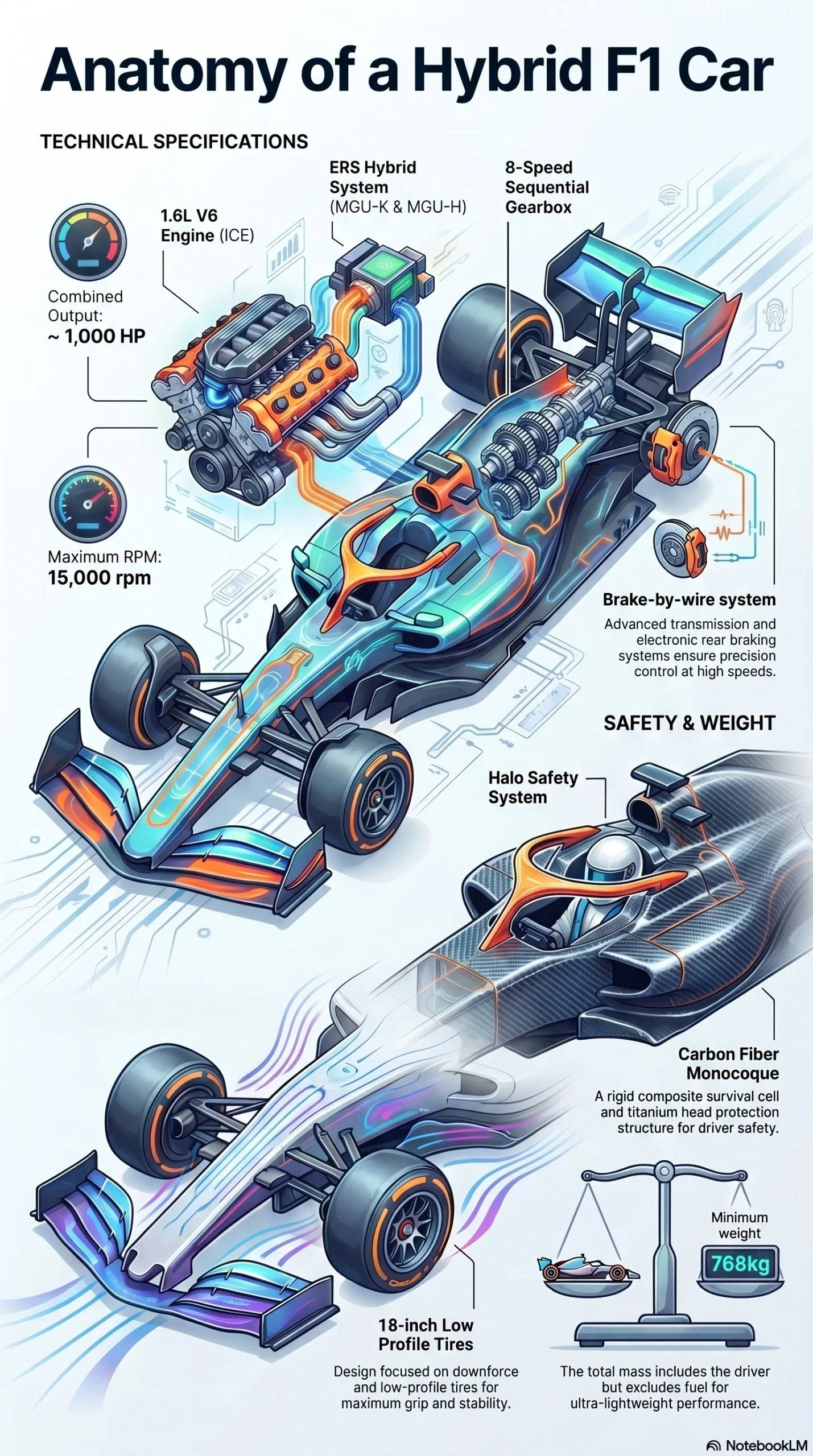
For the American trucking industry, the key technical lesson this year lies in the definitive implementation of 100% sustainable fuels and new energy recovery systems. Formula 1 has ceased to be just a sport and has become a testing ground for the engines that, in a few years, will power commercial fleets on the Interstate.
Engineers emphasized that “thermal management” was the key to success; a vital lesson for those operating high-performance diesel engines in humid climates. The ability of the cooling systems to maintain torque without degrading internal components under the Florida sun reflected the innovations that General Motors and Cadillac are transferring from the racetrack to next-generation heavy-duty vehicles.
Efficiency on High-Performance Routes
From a logistical perspective, the deployment for the Miami Grand Prix was a masterclass in intermodal coordination. Moving tons of critical equipment from European and Asian locations to the Port of Miami and its airports required minute-by-minute precision.
This year, the organization placed special emphasis on reducing its carbon footprint by optimizing heavy-duty truck routes, a topic that resonates deeply within the transportation sector, which is facing increasingly stringent environmental regulations.
The synchronization of over three hundred freight trucks for infrastructure assembly in a dense urban area demonstrates that efficient route planning is just as crucial to profitability as it is to securing a starting position.
The economic aspect of the event also underscores the importance of the service sector for truckers. Miami reported record hotel occupancy and a massive increase in the consumption of basic supplies, generating unprecedented demand for last-mile delivery services.
The ability of Florida’s transportation system to absorb this surge in demand without collapsing major arteries like I-95 is a testament to the resilience of the state’s logistics infrastructure. Institutional data indicates that the tourism impact not only benefits the hotel industry but also revitalizes the entire supply chain, from fuel to the maintenance of transport equipment that operates 24/7 during race week.
Innovations: From the Track to the Road
On the sporting front, the race was a display of strategy on the circuit’s asphalt, which presented varying levels of friction. This forced teams to constantly adjust tire pressures and engine maps, a task that truckers routinely perform when crossing different climate zones and terrain types.
The advanced telemetry used by Ferrari and Mercedes in Miami, now enhanced by artificial intelligence, is laying the groundwork for predictive maintenance systems in Class 8 trucks. These systems will allow operators to detect lubrication failures or overheating before they occur, reducing downtime in the shop and maximizing service hours on the road.
Finally, Cadillac’s integration into the Formula 1 ecosystem symbolizes the American automotive giant’s commitment to leading the transition to highly efficient hybrid engines. Now, the lessons learned in the Miami circuit’s hard braking zones, such as Turn 17, are being analyzed to improve regenerative braking systems in heavy vehicles.
This technology not only improves safety on steep inclines but also optimizes energy consumption, a critical factor for independent carriers seeking to protect their profit margins against volatile fuel prices. Miami 2026 was more than just a car race; it was a technical roadmap for the future of transportation in the Americas.
 Business hours: Monday to Friday from 8:00 AM to 5:00 PM. California time