 Hable con un agente al (888) 572-7520
  Enviar mensaje a un agente

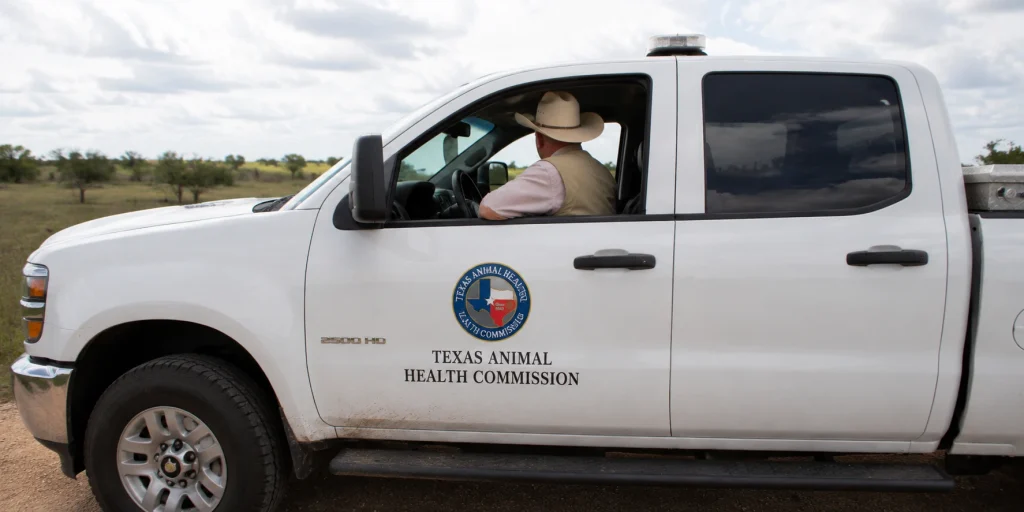

The reemergence of the New World screwworm has once again raised concerns across the United States livestock industry. Considered one of the most destructive parasitic threats to cattle and other warm-blooded animals, the pest lays its eggs in open wounds and natural body openings, allowing larvae to feed on living tissue.
Recent confirmations of new cases in Texas and the first detected case in New Mexico have prompted federal and state authorities to intensify containment efforts, increase surveillance, and establish quarantine zones aimed at preventing further spread.
For livestock producers, veterinarians, and transportation companies, the situation serves as a reminder of how animal health emergencies can quickly impact agricultural logistics and interstate commerce.
USDA Confirms Additional Cases
The U.S. Department of Agriculture (USDA) recently confirmed three additional cases of New World screwworm, bringing the total number of confirmed detections in the United States to five.
Four cases have been identified in Texas, while New Mexico reported its first confirmed case.
Affected animals include calves, a goat, and a dog.
In response, authorities established quarantine zones extending approximately 12 miles around each affected area. The goal is to contain the parasite, protect livestock operations, and minimize risks to wildlife populations.
Although the outbreak remains relatively limited, officials are taking the situation extremely seriously because of the pest’s history and its ability to spread rapidly if left unchecked.
What Is New World Screwworm?
Unlike common flies that lay eggs on decaying organic matter, the New World screwworm fly deposits its eggs directly into open wounds, cuts, scratches, or vulnerable body areas of living animals.
Natural openings such as the eyes, ears, nose, mouth, and genital areas may also be targeted.
Once the eggs hatch, the larvae begin feeding on the animal’s living tissue. As they grow, they burrow deeper into the wound, causing severe damage, painful infections, and potentially death if treatment is not provided.
The parasite can affect:
- Cattle
- Sheep
- Goats
- Horses
- Dogs
- Wildlife
- Humans in rare cases
The United States successfully eradicated New World screwworm decades ago through one of the most successful animal health programs ever implemented, relying heavily on the Sterile Insect Technique (SIT), which involved releasing millions of sterile flies into affected regions.
Because the pest was considered eliminated, every new detection triggers an immediate response from animal health authorities.
Symptoms in Humans
While New World screwworm primarily affects animals, human cases can occur when flies deposit eggs in wounds or natural body openings.
Common symptoms may include:
| Symptom | Description |
|---|---|
| Visible larvae | Seeing maggots or feeling movement inside a wound, or in the eyes, ears, nose, or mouth |
| Rapidly worsening wounds | Lesions that grow larger and more severe instead of healing |
| Intense pain | Increasing pain as larvae feed on living tissue |
| Foul odor | Strong unpleasant smell coming from the affected area |
| Bleeding | Bleeding from wounds or infested tissue |
| Secondary bacterial infection | Bacteria may infect the wound, worsening the condition |
| Fever | Possible sign of secondary infection |
| Chills | May occur if infection becomes more advanced |
Because of these risks, health authorities monitor each detection carefully for both animal and public health implications.
Why Livestock Transportation Is Paying Attention
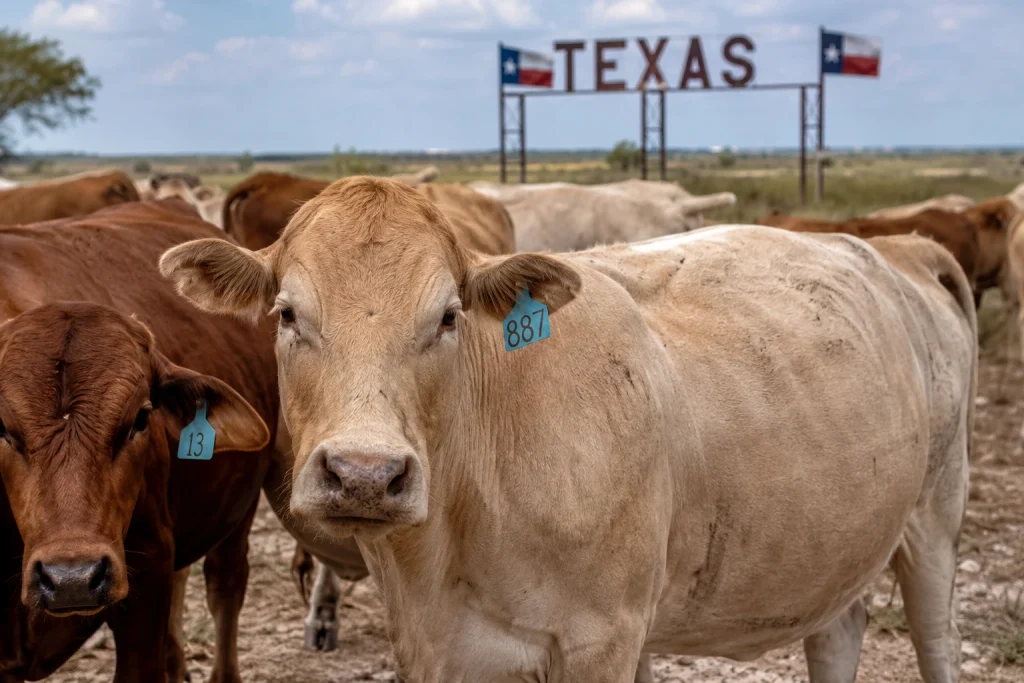
Texas remains one of the largest cattle-producing states in the country, with thousands of livestock shipments moving daily between ranches, feedlots, livestock auctions, and processing facilities.
Whenever a contagious animal health threat emerges, transportation companies are often among the first industries affected.
Authorities may implement additional safeguards designed to prevent infected animals from moving into new regions.
These measures can include:
- Enhanced veterinary inspections
- Additional health screenings at checkpoints
- Animal health certificate requirements
- Movement restrictions within quarantine zones
- Increased documentation verification
- Delays during loading and unloading operations
At this time, USDA has not announced widespread restrictions on livestock transportation. However, the appearance of new cases outside the original detection area has increased concern among both regulators and industry stakeholders.
Officials have acknowledged that additional cases may be discovered as monitoring efforts continue.
Potential Impact on Trucking and Agricultural Logistics
If the outbreak expands, livestock haulers operating in Texas, New Mexico, and neighboring states could experience longer inspection times and more frequent health checks.
Additional documentation requirements may also be introduced for animals crossing county or state lines.
Should quarantine zones expand, certain livestock movements could face temporary limitations or require alternative routing.
For trucking companies, this could translate into:
- Increased fuel expenses
- Longer wait times
- Additional administrative work
- Higher compliance costs
- Scheduling disruptions
Even modest restrictions can create ripple effects throughout agricultural supply chains, especially during peak livestock movement periods.
What Livestock Transporters Should Do
Although authorities currently consider the situation manageable, animal health experts recommend that livestock haulers remain vigilant and stay informed about any regulatory changes.
Key recommendations include:
- Verify that all required health documentation is current.
- Conduct visual inspections before loading animals.
- Report suspicious wounds or visible infestations immediately.
- Maintain close communication with producers and veterinarians.
- Monitor updates issued by USDA and state animal health agencies.
History has shown that animal disease outbreaks can evolve rapidly. Recent events involving avian influenza and African swine fever demonstrated how quickly movement restrictions and supply chain disruptions can emerge.
For now, the five confirmed cases represent a limited outbreak. Nevertheless, the appearance of multiple detections in Texas and the first confirmed case in New Mexico indicate that federal and state authorities remain on high alert.
For livestock transportation companies, preparedness remains the best defense. Staying informed and maintaining strict biosecurity awareness can help carriers respond quickly to any additional measures implemented to contain one of the most feared livestock pests in North America.
Remember: protecting your cargo starts with protecting your business. Always travel insured.
 Business hours: Monday to Friday from 8:00 AM to 5:00 PM. California time