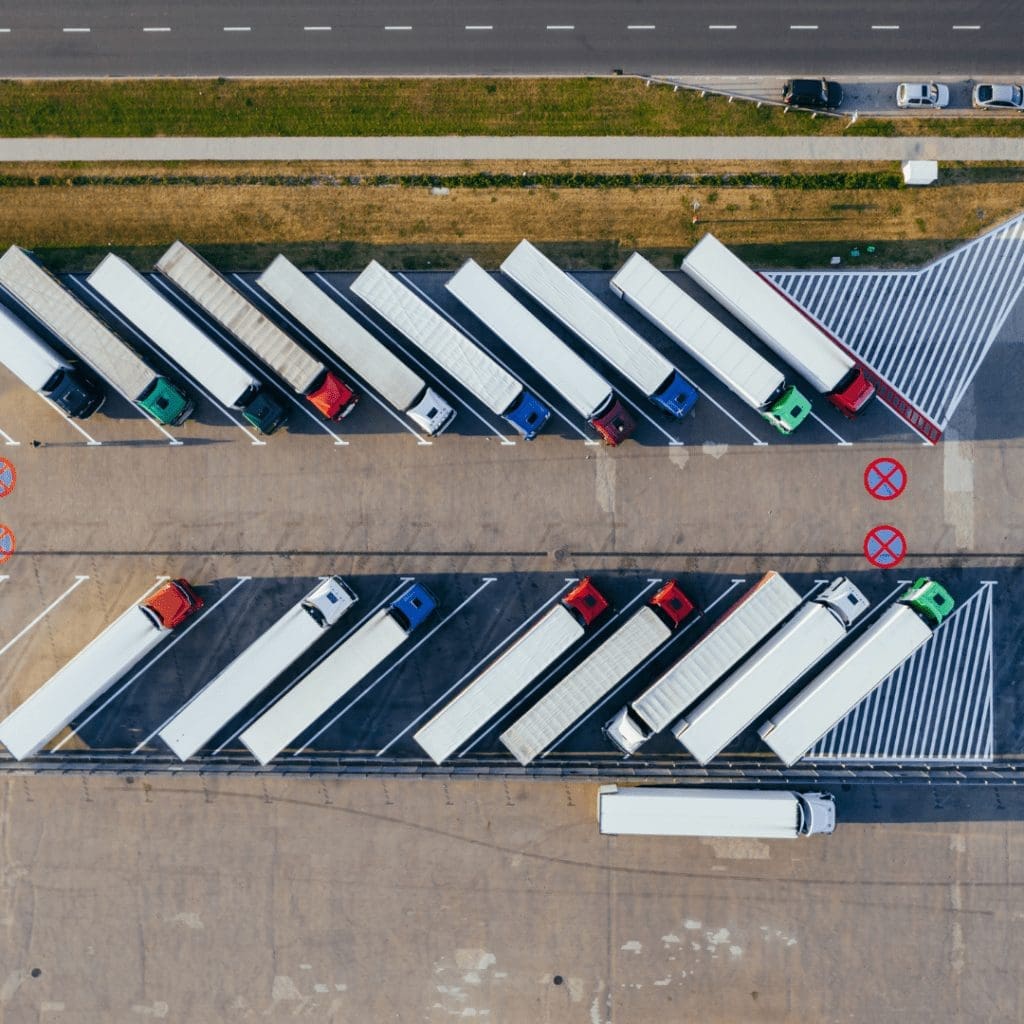
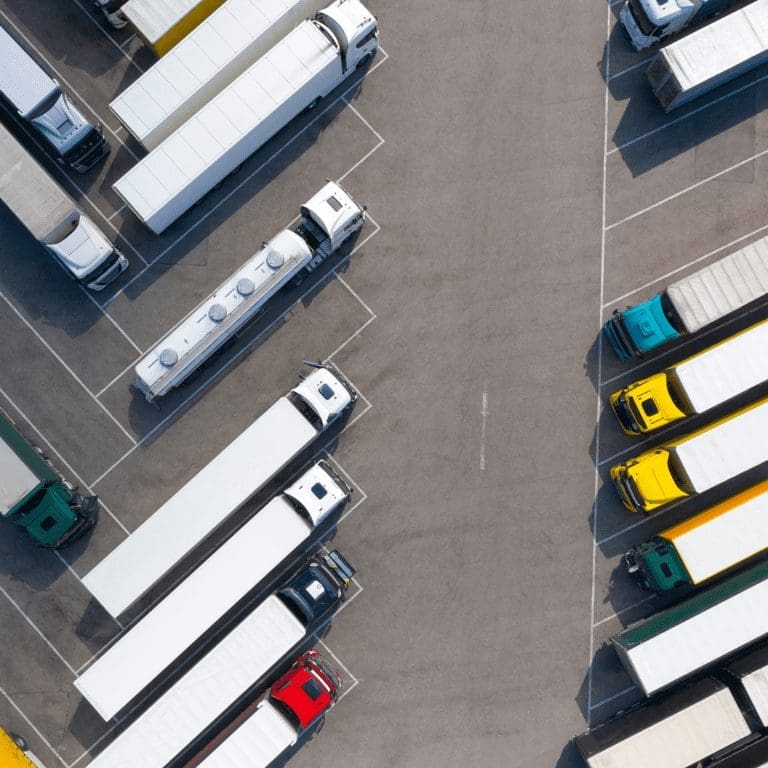
It is evident that the truck parking problem persists throughout the United States.
On Tuesday, December 5, the meeting of the National Truck Parking Coalition took place. During the gathering, transportation officials and stakeholders discussed recent developments in the field of truck parking.
Transportation authorities shared the measures they have implemented to address the issue. Various stakeholders, including the Owner-Operator Independent Drivers Association, the American Trucking Associations, and the National Association of Truck Stop Operators, reported on the status of their ongoing actions. The main topics covered were safety, technology, and financing.
A safety concern
The shortage of truck parking areas presents a threat to the safety of all drivers. Robin Hutcheson, administrator of the Federal Motor Carrier Safety Administration, emphasized that fatigue is the leading cause of accidents, serious injuries, and fatalities on the roads.
Alison Nealon, associate transportation planner at Caltrans, highlighted the number of collisions involving parked trucks on the roadside: between 2014 and 2018, in California alone, there were over 1600 such crashes. This count does not include traffic incidents involving fatigued drivers.
Is technology the solution?
Technology has played a crucial role in identifying problematic areas in truck parking. At the FMCSA, researchers have been using accident data and linking it to the issue of truck parking to assess the relationship between the two and safety. Nevertheless, it has been observed that not all technological solutions for truck parking have achieved the expected success.
Nicole Katsikides, senior transportation expert at FMCSA, said they are exploring truck parking-related technologies, mobile apps, and other strategies with the goal of understanding the parking pattern and assess safety impacts resulting from a lack of parking areas.

Financing only works if projects are approved
Despite the existence of various subsidy programs, it was highlighted at the meeting that financing is only beneficial if truck parking projects are approved.
Furthermore, it was pointed out that local zoning laws pose one of the major obstacles, along with the high costs of land acquisition. A case in California has been trying to reclassify land for parking construction for over a decade. Despite the availability of federal grants for these purposes, only a few applications have been approved.
Bryce Mongeon, director of legislative affairs at OOIDA, stated that the potential to address many financing problems lies in the Truck Parking Safety Improvement Act, a bill that specifically allocates $755 million for truck parking development. He added, “The main challenge is to ensure that this issue takes a prominent place on lawmakers’ priority list and that they are willing to dedicate the time and political capital needed to push it forward.”

Volvo Pushes Beyond Diesel with New Hydrogen Combustion Truck Trials
Volvo Trucks is once again taking the lead, beginning road tests with heavy trucks equipped with hydrogen combustion engines.

Trucker Fashion: A Revolution Born on the Road That Still Sets the Trend
Trucker fashion remains relevant due to its authenticity, its seamless integration into streetwear, and its reinterpretation by luxury brands, consolidating itself as a revolution born on the road that evolved from a work uniform into a global cultural symbol

North Dakota among states regaining non-domiciled CDL authority
North Dakota will reissue approximately 150 of the 526 CDLs and CLPs for non-resident drivers that were active during the FMCSA audit.

The Growing Threat of Chameleon Fleets
A CBS ‘60 Minutes’ investigation exposes the rise of ‘Chameleon Fleets’ in the U.S. trucking industry.

US transportation begins to show signs of recovery
With tonnage at record levels and rates on the rise, carriers are leading the expansion of the logistics market. If the forecasts hold true, years of uncertainty could be over.

Trump Administration Restarts California Pipeline to Lower Gasoline Prices
Under Trump, the restart of the Santa Ynez Pipeline aims to boost local crude supply and impact gasoline prices amid persistently high energy costs in California.