 Hable con un agente al (888) 572-7520
  Enviar mensaje a un agente

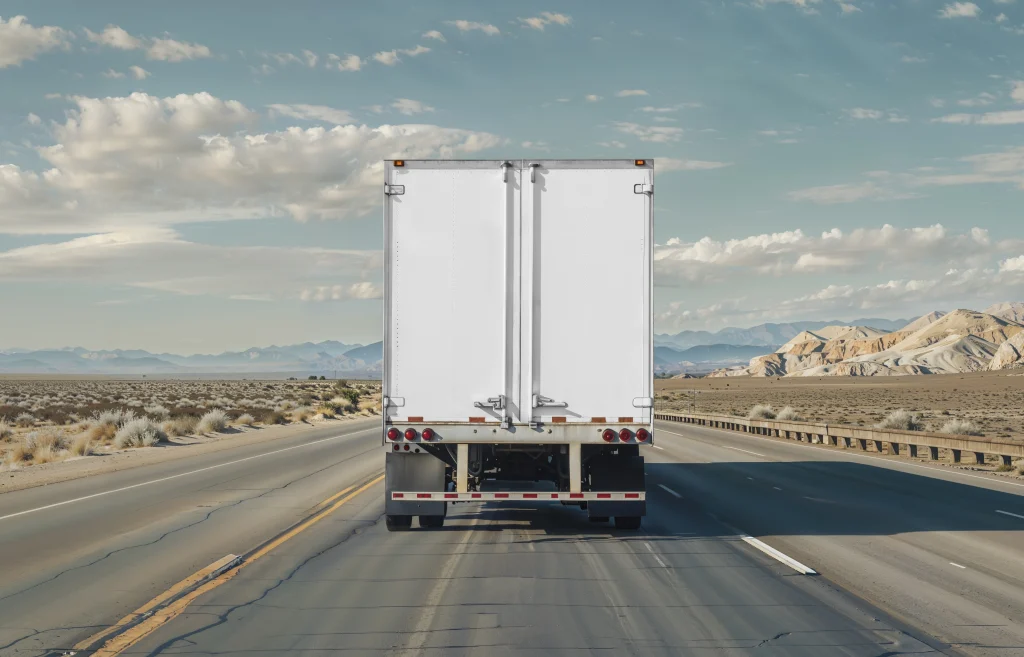

If you need to drive a vehicle that currently does not have valid registration in Washington, you may be able to use a trip permit. This temporary permit allows certain vehicles to operate without valid registration on the state’s public roads for a limited period.
The answer to how to get this permit depends on the type of vehicle and the reason you need the permit. For many vehicles, the process is relatively straightforward: you must visit an authorized vehicle licensing office in person, pay the applicable fee, and obtain a permit that is valid for that specific vehicle. Let’s take a closer look at the process.
What Is a Washington Trip Permit?
A Washington trip permit is a temporary permit that allows a vehicle without valid registration for its intended operation to travel on Washington’s public roads.
According to the Washington State Department of Licensing (DOL), a vehicle may be considered unregistered for these purposes when, for example, its tabs have expired or when its currently registered gross weight is not sufficient for the load it is carrying.
For commercial vehicles, the DOL specifies that the permit authorizes the operation of a single commercial vehicle for 3 consecutive days, up to the maximum allowable weight. Therefore, this permit should not be confused with permanent vehicle registration. Its purpose is to provide temporary authorization for a specific situation.
The DOL allows these permits for certain vehicles that need to operate temporarily without proper registration. Situations may include vehicles with expired tabs or vehicles whose registered gross weight is insufficient for the load being transported.
However, there are restrictions. For example, standard trip permits are not available for certain vehicles that do not operate on public roads, such as vehicles used exclusively off-road. They are also unavailable for certain commercial vehicles that have been placed out of service under a DOT order. Destroyed vehicles cannot obtain this type of permit either.
How Do You Get a Washington Trip Permit?
To obtain a Washington trip permit, you must purchase it in person. The DOL states that trip permits for unregistered vehicles cannot be purchased online.
The basic process is:
- Locate an authorized vehicle licensing office.
- Bring the necessary vehicle information.
- Request a trip permit.
- Pay the applicable fee.
- Complete, sign, and date the permit before you begin driving.
- Properly display the permit and keep it available according to the applicable instructions.
Washington vehicle licensing offices offer trip permit services, as well as vehicle registration, title transfers, and tab renewals. You can find more information through the Washington State Department of Licensing.
Currently, the cost for a vehicle trip permit is $36 per permit. The DOL breaks this amount down into a $25 permit fee plus an $11 service fee for commercial vehicle permits. Additional charges may apply depending on the authorized agent issuing the permit.
It is important to confirm the total cost before completing the transaction, particularly if you purchase the permit through an independent licensing agent, as some locations may charge additional fees.

How Long Is It Valid?
A Washington trip permit is valid for 3 consecutive days. The validity period begins on the first day the permit is used.
For a specific vehicle, Washington allows up to 3 trip permits within a 30-day period. This limitation is particularly important for commercial owners and operators who may be considering repeatedly using temporary permits instead of completing the appropriate registration process.
A trip permit also cannot be transferred from one vehicle to another. The permit is valid only for the specific vehicle for which it was issued.
Washington Trip Permit for Commercial Trucks
A commercial trip permit allows an individual commercial vehicle to operate for three consecutive days at its maximum allowable weight. However, no more than three permits may be used for the same vehicle within a 30-day period.
It is important to note that trip permits do not replace other requirements that may apply to a commercial operation. For example, certain trucks entering Washington may need a fuel permit if they do not pay fuel taxes through IFTA and meet specific requirements related to weight, number of axles, or vehicle combinations.
Commercial truck operators should therefore determine whether additional permits, taxes, registrations, or credentials are required before beginning an operation in Washington.
Is a Trip Permit the Same as Vehicle Registration?
No. A trip permit is a temporary authorization and does not replace permanent vehicle registration.
If you plan to use the vehicle regularly in Washington, it may be more appropriate to complete the applicable registration process. Repeatedly using temporary permits may create compliance issues if the vehicle is actually required to be registered or if it exceeds the limits established for trip permits.
Washington registration fees also vary depending on factors such as the type of vehicle, weight, location, and applicable taxes.
Before purchasing a trip permit, verify the current requirements directly with the Washington State Department of Licensing. Requirements, fees, and procedures may change over time, particularly for commercial vehicles and interstate operations.
 Business hours: Monday to Friday from 8:00 AM to 5:00 PM. California time