 Hable con un agente al (888) 572-7520
  Enviar mensaje a un agente



For those looking to work as professional drivers in the state of Washington, obtaining a Commercial Driver’s License (CDL) is one of the most important steps. This license allows drivers to operate certain commercial vehicles and, depending on the class and additional endorsements, can open up job opportunities in freight transportation, passenger transportation, school buses, and other specialized activities.
The CDL is administered by the Department of Licensing (DOL), and its requirements combine state and federal regulations. For this reason, before starting the process, it is important to determine what type of vehicle you want to drive, whether the job will involve driving within or outside Washington, and what endorsements will be required.
Who Needs a CDL in Washington?
In general terms, a CDL is required to drive certain commercial vehicles. These include individual vehicles with a Gross Vehicle Weight Rating (GVWR) of 26,001 pounds or more; certain combinations of vehicles with a combined weight of 26,001 pounds or more when the towed vehicle exceeds 10,000 pounds; vehicles designed to transport 16 or more passengers, including the driver; and all school buses, regardless of size.
A CDL may also be required for vehicles of any size that require hazardous-materials placards or transport certain regulated materials. There are some exceptions for certain recreational, agricultural, military, emergency, and other specific vehicles and situations, so it is important to review the rules that apply to the vehicle and type of operation.
CDL Classes
The license classification depends primarily on the type and weight of the vehicle being driven. The main commercial license classes are Class A, Class B, and Class C:
- Class A is generally associated with combinations of vehicles, such as a tractor-trailer, and is one of the licenses most commonly sought by interstate truck drivers.
- Class B allows drivers to operate certain large single vehicles, such as some heavy trucks and buses.
- Class C is used for certain commercial vehicles that do not fall into the Class A or B categories but may still require a CDL because of characteristics such as passenger transportation or the transportation of hazardous materials.
In addition to the license class, there are endorsements that authorize drivers to operate certain types of vehicles or perform specific activities. These include passenger vehicles, school buses, tank vehicles, double or triple trailers, and vehicles transporting hazardous materials. Some endorsements require additional testing.
How to Obtain a CDL in Washington
The process begins with a valid Washington driver’s license and the required documentation. The DOL indicates that applicants must provide their current driver’s license, Social Security number, and documentation proving U.S. citizenship or lawful permanent residency, as well as information about the states where they have been licensed during the previous 10 years.
It is also necessary to determine how the commercial activity will be conducted and complete the appropriate self-certification. For many drivers who will work across state lines, this means certifying as a non-excepted interstate driver and meeting the applicable medical requirements.
The next step is the knowledge test. Washington offers tests for general knowledge and for different endorsements. For example, the CDL general knowledge test contains 50 questions and requires at least 40 correct answers. Additional tests are available for combination vehicles, air brakes, passengers, school buses, hazardous materials, and other categories.
Once the required knowledge tests have been passed, the driver can obtain a Commercial Learner’s Permit (CLP). Currently, a driver who is at least 18 years old and has a valid Washington driver’s license may apply for a CLP, although operating commercially across state lines requires the driver to be at least 21 years old.
Required Training and Skills Test
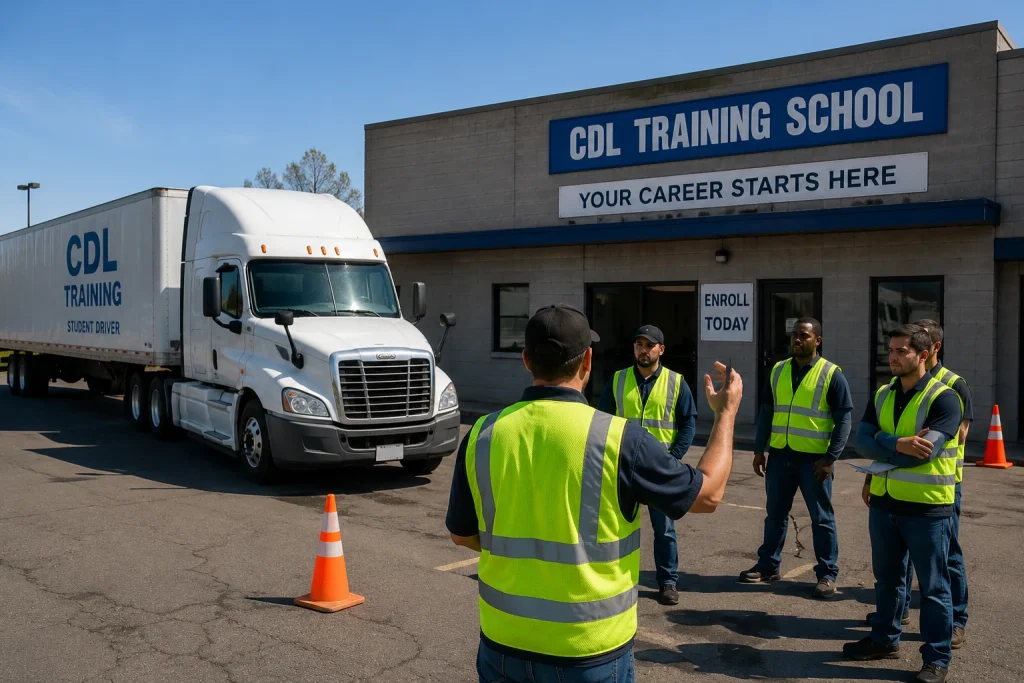
Obtaining a learner’s permit does not mean that the driver can immediately take the skills test. Washington requires certain applicants to complete the required training through a state-registered training provider. This applies, among other cases, to individuals obtaining a CDL, upgrading a license, or adding certain endorsements.
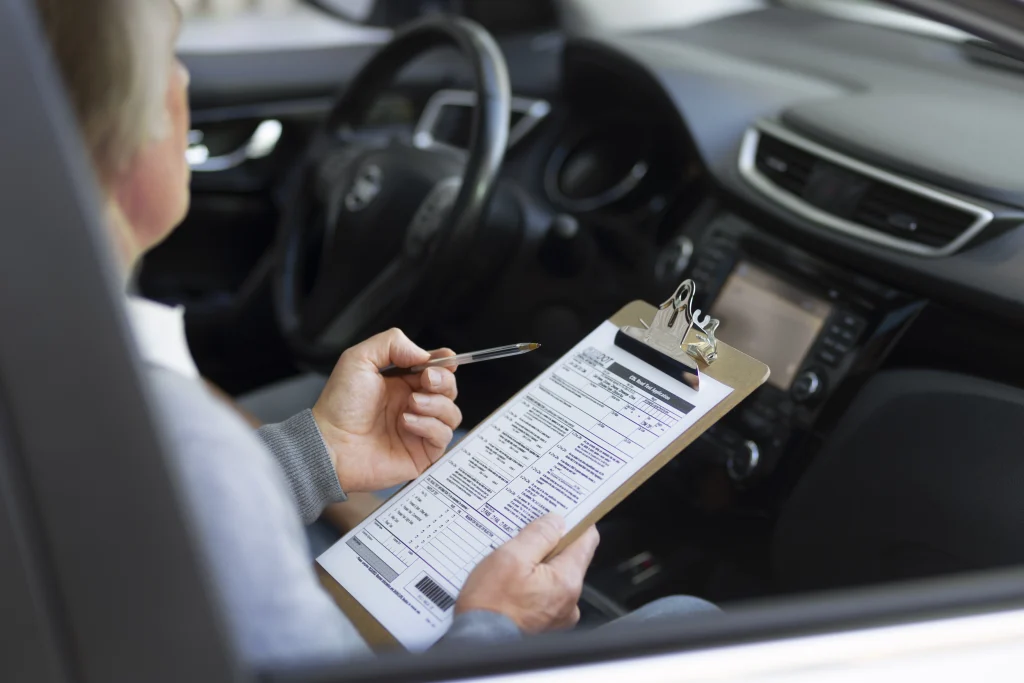
After completing the training requirements, the driver can take the skills test. The skills test has three main components: vehicle inspection, basic controls—including backing maneuvers—and an on-road driving test. After obtaining an original or upgraded CLP, there is generally a minimum waiting period of 14 business days before taking the skills test.
Once all three parts of the test have been passed, the driver must wait 24 hours before Washington can issue the CDL.
Medical Certificate and Commercial Operation
Another important consideration is the driver’s medical status. Depending on the type of operation, Washington may require a Medical Examiner’s Certificate and other medical documentation. Drivers must keep the applicable information up to date in their records.
If required medical documents expire and are not updated, the CDL may be downgraded, and the driver may lose authorization to operate a commercial vehicle until valid documentation is submitted. The DOL recommends submitting the documents before their expiration date to avoid interruptions.
Endorsements and Restrictions
A CDL does not necessarily authorize a driver to operate every type of commercial vehicle. Endorsements expand the capabilities of the license, while restrictions may limit the types of vehicles a driver is permitted to operate.
For example, a driver who wants to transport passengers may need the Passenger (P) endorsement. A school bus driver must obtain the appropriate school bus endorsement. Drivers who transport hazardous materials must meet additional requirements, including applicable training and federal procedures.
On the other hand, certain restrictions may prevent a driver from operating vehicles with specific characteristics.
Recommendations for Future Drivers
Before starting the process, it is best to determine what type of vehicle you want to drive and what kind of work you intend to perform. For example, a tractor-trailer driver may have different requirements from someone who will drive a passenger bus.
It is also recommended that applicants study the Washington Commercial Driver Guide directly, review the training requirements, and verify that their medical documentation has been properly recorded. The DOL provides preparation materials and practice tests to help candidates become familiar with the examination.
Obtaining a CDL in Washington requires more than passing a written test. The process may include identity and immigration-status documentation, commercial self-certification, medical requirements, a learner’s permit, mandatory training, knowledge testing, a skills test, and, when applicable, specialized endorsements. Understanding each step before beginning the process can help prevent delays and ensure that you choose the license that best matches the type of work you want to perform.
For official and up-to-date information, the Washington State Department of Licensing should always be the primary point of reference, since requirements, procedures, and policies may change.
 Business hours: Monday to Friday from 8:00 AM to 5:00 PM. California time