 Hable con un agente al (888) 572-7520
  Enviar mensaje a un agente

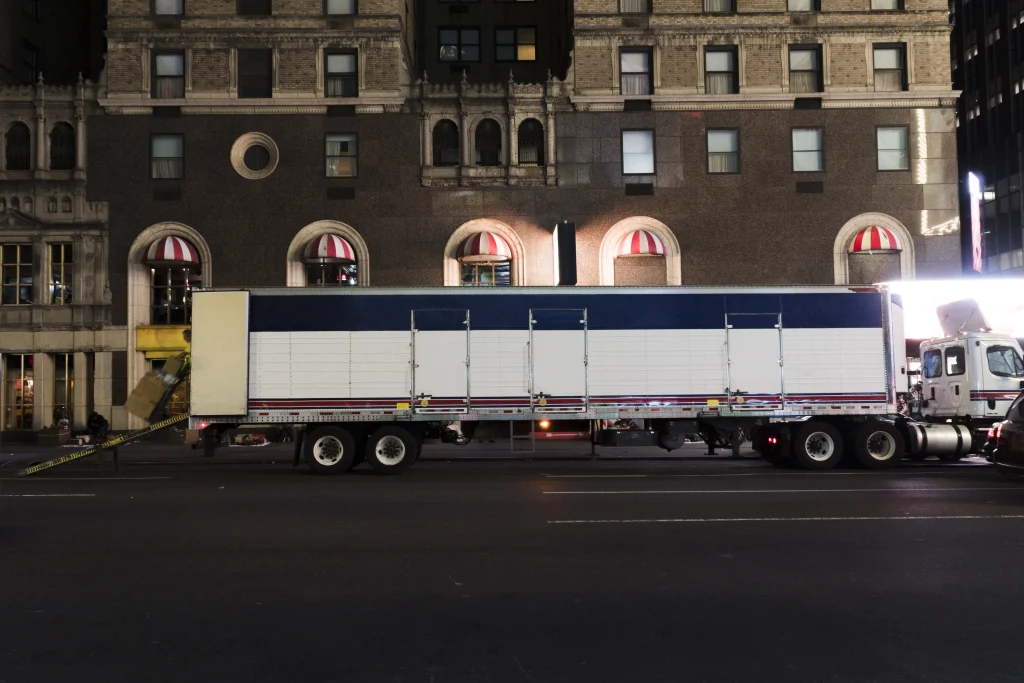

Transporting an oversize vehicle, machinery, or load on Washington state highways requires advance planning and, in many cases, a special size and weight permit. This applies both to commercial vehicles and to certain vehicle combinations that exceed legal size or weight limits. The Washington State Department of Transportation (WSDOT), the agency responsible for highway permits, establishes general guidelines for oversize vehicles traveling throughout the state.
Below are WSDOT’s rules regarding when a permit is required for oversize vehicles in Washington, the main types of permits available, applicable weight and dimensional limits, the application process, and special requirements for extraordinary loads or “superloads.”
When Is a Permit Required for an Oversize Vehicle?
Generally, a permit is required when the vehicle or load exceeds legally permitted dimensions or weight. WSDOT establishes general reference limits of 8 feet 6 inches in maximum legal width, 14 feet in height, and 53 feet in length for certain tractor-trailer combinations. For single-unit vehicles, the general length limit is 40 feet, while some combinations may reach 75 feet in total length without a special permit.
There are also limits on overhang. These generally allow up to 3 feet of front overhang and 15 feet of rear overhang under the applicable rules. Legal weight, meanwhile, depends on factors such as the number of axles, axle spacing, and tire size.
One fundamental rule is that oversize-load permits are not intended for commodities that can reasonably be divided. If a load can be dismantled or reduced to comply with legal limits, WSDOT may deny the permit.
Washington offers different permits depending on the characteristics of the vehicle and load.
Main Types of Permits
Single-Trip Oversize/Overweight Permit
The Oversize/Overweight Single Trip Permit is designed for indivisible loads that exceed legal size or weight limits. It is generally a permit specific to a particular route and trip. WSDOT indicates that the dimensional permit for this type of operation has a base fee of $10, while overweight permits have fees that vary according to the authorized weight.
For certain automated-issuance permits, the limits may reach up to 16 feet in width, 16 feet in height, 125 feet in load length, and 200,000 pounds gross weight, provided that all other applicable conditions are met.
Permits for Fixed Loads
Specific permits are available for vehicles carrying a permanent or unchanging load, such as certain cranes, concrete pump trucks, or drilling equipment. WSDOT provides monthly permits for three- or four-axle vehicles, subject to weight limits, axle-spacing requirements, and other conditions.
Manufactured Home Permits
Manufactured homes are subject to a specific permitting system. WSDOT provides dimensional permits for certain loads up to 15 feet in height and 15 feet in width, with specific trailer-length limits. There may also be restrictions concerning the routes authorized for this type of transportation.

What Is a “Superload” in Washington?
A “superload” is an indivisible load that exceeds certain exceptional thresholds. In Washington, a load is considered a superload when it exceeds 200,000 pounds gross weight, 16 feet in width, 16 feet in height, or 125 feet in load length, according to WSDOT criteria.
These operations require a considerably more rigorous process. For loads exceeding 200,000 pounds, the written application must be received at least 30 calendar days before the planned move. If the load exceeds the dimensional limits of 16 feet in width or height but does not reach the weight threshold, the written application must be submitted at least 7 calendar days in advance.
In addition, WSDOT may request information regarding the purpose of the transportation, the necessity of the move, a traffic control plan, proposed routes, lane restrictions, escort vehicles, overhead obstructions, railroad crossings, and procedures for allowing emergency vehicles to pass. WSDOT may also conduct bridge, pavement, and structural analyses before authorizing the move.
How to Apply for a Permit
WSDOT allows certain permits to be self-issued online 24 hours a day, 7 days a week. Applicants may also use an authorized permit service agent or visit a WSDOT office when the permit cannot be issued automatically.
Before applying for the permit, it is advisable to gather accurate information regarding:
- Total dimensions of the vehicle and load.
- Expected gross weight.
- Number and spacing of axles.
- Type of vehicle and trailer.
- Origin and destination.
- Proposed route.
- Maximum overall height.
- Need for escort vehicles.
- Planned dates and times of travel.
Accuracy is particularly important because bridge, roadway, and vertical-clearance restrictions may form part of the specific permit conditions. The carrier is responsible for checking route restrictions and clearance heights before beginning the trip.
It is important to understand that a permit issued by WSDOT does not necessarily mean that the vehicle may travel freely on all roads in Washington. State permits apply to the corresponding state routes; traveling on city streets or county roads may require additional authorization from the local jurisdiction.
Escorts, Signage, and Time Restrictions
Oversize vehicles may be subject to signage, escort, and travel-time requirements. The WSDOT commercial vehicle manual establishes specific requirements for “OVERSIZE LOAD” signs, including minimum dimensions and lettering specifications.
There are also travel restrictions during peak hours and certain holiday periods in specific areas. For example, some sections of the Seattle-Everett area have restrictions on vehicles operating under special permits during certain morning and afternoon hours.
This means that obtaining the permit is not the final step. The carrier must carefully review all conditions included with the permit and verify current restrictions before each move.
Frequently Asked Questions About Oversize Vehicle Permits in Washington
What is the legal width limit before a permit is required?
As a general reference, the legal limit is 8 feet 6 inches. A load exceeding that dimension may require a special permit.
Can I obtain a permit if the load can be dismantled?
Generally, permits for indivisible loads are intended for commodities that cannot reasonably be reduced or dismantled to comply with legal limits.
Do I need a different permit for a county road?
Possibly. WSDOT notes that state highways and city or county roads may be subject to different authorities and permitting requirements.
How long does it take to obtain a permit?
Routine permits that can be self-issued may be available immediately. Permits requiring WSDOT approval may take several business days, while superloads have significantly longer application deadlines.

Obtaining a permit for an oversize vehicle in Washington depends primarily on the dimensions, weight, type of load, and route. For conventional oversize transportation, the process can be relatively quick through WSDOT’s permitting system. However, extremely heavy or large loads require advance planning, structural analysis, and coordination with authorities.
The best practice is to first verify the legal limits, determine whether the load is divisible, accurately calculate axle weights, and prepare a complete route. The carrier should then apply for the appropriate permit and review all of its conditions, including travel-time, signage, escort, and vertical-clearance restrictions.
To check current requirements, fees, forms, and application options, the primary reference is the official WSDOT website. Because route conditions and fees may change, it is advisable to verify the information directly with WSDOT before scheduling a move.
 Business hours: Monday to Friday from 8:00 AM to 5:00 PM. California time