 Hable con un agente al (888) 572-7520
  Enviar mensaje a un agente



The National Weather Service (NWS) confirmed that a tornado touched down on Long Island during the severe storms last Thursday, August 20, causing widespread damage.
According to reports, the tornado touched down around 7:11 p.m. and tore through the Sun and Surf Beach Club in Atlantic Beach, Nassau County Executive Bruce Blakeman said. Videos shared on social media showed a waterspout forming off the coast of Long Island and reaching land after a tornado warning was issued.
The storms spread across the Northeast, with tornado watches active from Albany to Washington, D.C. Philadelphia was hit by a powerful storm, while a video began circulating on social media showing a person trapped inside their vehicle during the storm.
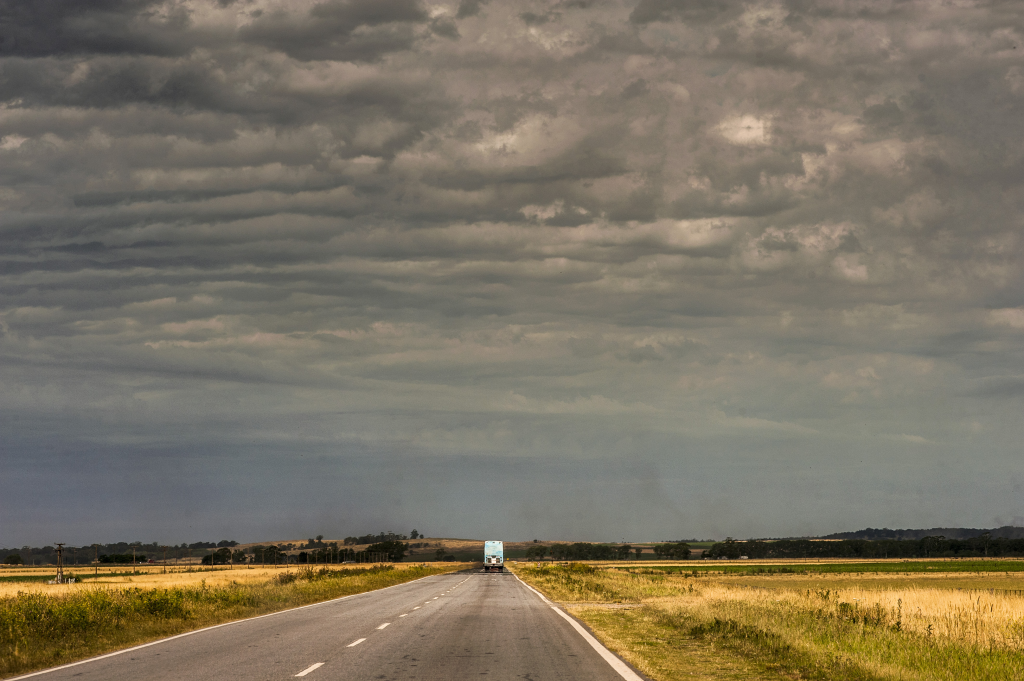
For a driver, encountering a storm while on the road can turn into an emergency within minutes, especially if the system develops into a tornado. A tractor-trailer does not provide sufficient protection from extreme winds or objects thrown by a tornado. For that reason, the priority should be to get out of the storm’s path and find a sturdy shelter rather than trying to outrun the tornado.
What to Do if There’s a Tornado While Driving
1. Check the weather before starting your trip
Although this may seem like an unnecessary recommendation, drivers often forget to check active alerts before heading out onto the road. Prevention begins before you get behind the wheel. Check the forecast, weather alerts, and road conditions, especially if you will be traveling through more than one region, where weather conditions can change within seconds.
A tornado watch means that conditions are favorable for a tornado to form. A warning means that a tornado has been detected or that there is an immediate threat. If a warning is issued while you are driving, the best course of action is to slow down safely, assess your available options, and seek shelter before the storm arrives.
2. Do not try to “outrun” the tornado
One of the most dangerous mistakes is speeding up in an attempt to escape a tornado. On a congested road, a limited-access highway, or in an urban area, traffic can prevent any effective escape maneuver.
If the tornado is still far away and you have a clear route to move away from its path and reach a sturdy shelter, it may be possible to drive to a safe location. If you are driving during a tornado, the best option may be to pull over safely, get below the level of the vehicle’s windows, keep your seat belt fastened, and cover your head with your hands, a blanket, or a cushion.
4. Look for a sturdy building
For a truck driver, a loading center, restaurant, store, gas station, or truck stop may be a much safer alternative to remaining in the truck, as long as it is a sturdy structure.
Once inside, go to the lowest level available and find an interior room away from windows, doors, and exterior walls. Protect your head and neck with your arms or with a sturdy object.
4. Never shelter under a bridge
Although it may seem like a logical form of protection, a bridge or overpass is not a safe shelter from a tornado. Staying there can leave you exposed to debris, extreme winds, and other hazards.
What to Do if There Is No Shelter
If you are stranded on the road and cannot reach a sturdy building, as a last resort, look for a low-lying area such as a depression or ditch, while being mindful of the risk of flash flooding.
If you cannot safely get out of the truck, remain buckled in, get as low as possible below the window level, and protect your head. These are emergency measures and do not replace the protection provided by a proper shelter.
What to Do After the Tornado Passes
Once the tornado has passed, be extremely cautious around dangerous debris such as broken glass, nails, and other sharp objects. Always stay away from downed power lines, as it may be impossible to know whether they are energized. Finally, do not enter buildings that have sustained severe damage, as they could collapse.
The Golden Rule for Truck Drivers
A weather alert plus a nearby tornado means it is not the time to improvise. Reduce the risk ahead of time, leave the storm’s path when possible, seek a sturdy structure, and avoid bridges, overpasses, and exposed areas.
For those who spend hours on the road, staying alert to weather conditions and knowing in advance where they could take shelter can be just as important as checking the brakes or tires before starting a trip.
 Business hours: Monday to Friday from 8:00 AM to 5:00 PM. California time