 Hable con un agente al (888) 572-7520
 Enviar mensaje a un agente


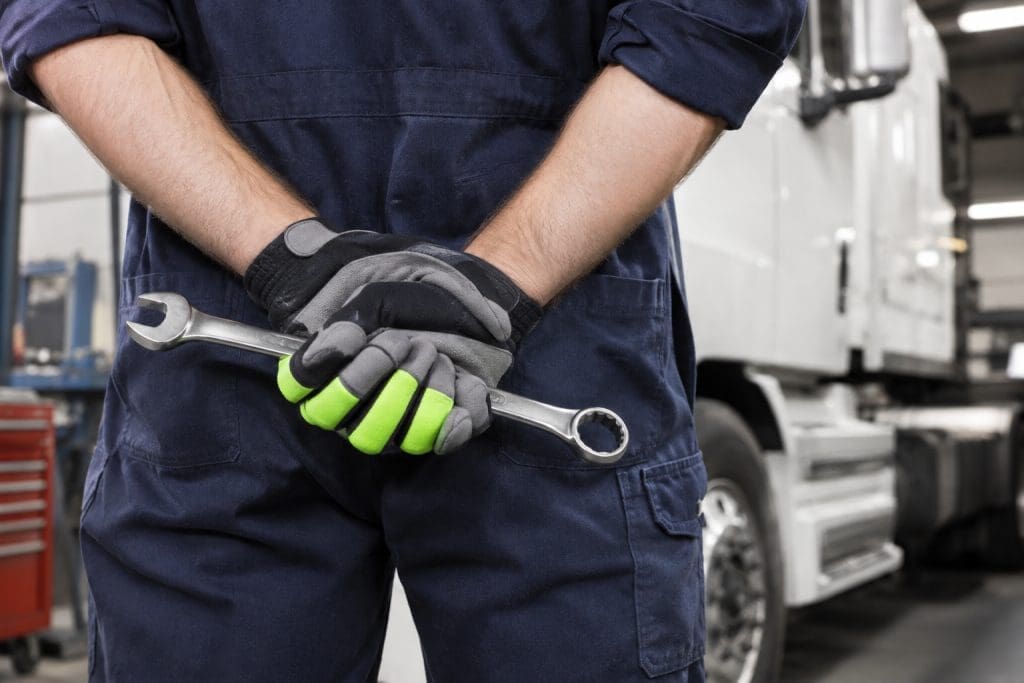

Behind every truck traveling America’s highways, delivering freight, and meeting tight deadlines is a group of professionals whose work rarely receives the same attention as driving: the technicians responsible for maintaining and repairing commercial vehicles. Their expertise keeps thousands of fleets operating every day and plays a critical role in highway safety and the nation’s supply chain.
From June 13 to 19, 2027, the trucking industry will celebrate the eighth annual National Technician Appreciation Week (NTAW), an initiative led by the American Trucking Associations (ATA) and its Technology & Maintenance Council (TMC) to recognize the expertise, dedication, and professionalism of the people who keep commercial trucks in safe operating condition.
The 2027 celebration will carry the theme “Celebrating technicians that keep us moving,” highlighting a profession that is indispensable to commercial transportation.
Henry Hanscom, ATA’s Director of Advocacy & Public Affairs, emphasized that professional technicians are essential to trucking operations and deserve widespread recognition. He explained that the demanding standards maintained by these specialists help protect everyone on the road while enabling trucks to travel hundreds of billions of miles each year, supplying homes and businesses across the country.
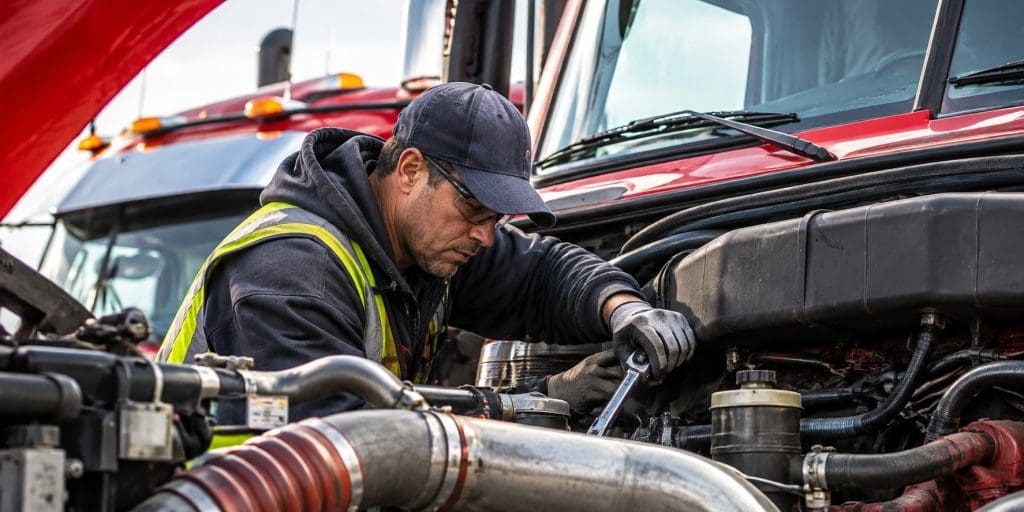
Much More Than Repairing Trucks
The responsibilities of commercial vehicle technicians extend far beyond fixing mechanical problems after a breakdown.
Their work includes preventive inspections, troubleshooting, engine maintenance, brake system inspections, transmission and suspension repairs, tire maintenance, and electronic system diagnostics.
Technicians also service lighting, steering, cooling, and emissions systems, performing increasingly complex repairs that require specialized knowledge and advanced diagnostic equipment.
In an industry where vehicles travel long distances carrying heavy loads, a mechanical failure can lead to operational disruptions, crashes, delayed deliveries, and significant financial losses.
That makes preventive maintenance one of their most important responsibilities. Identifying a worn component, a loss of air pressure in the braking system, or a tire defect before a truck leaves the shop can prevent a roadside breakdown and reduce risks for drivers and other road users.
Technicians also maintain trailers, inspecting braking systems, electrical connections, tires, structural components, and coupling mechanisms.
Highway Safety Starts in the Maintenance Shop
In the United States, commercial motor vehicles are subject to safety and maintenance regulations established by the Federal Motor Carrier Safety Administration (FMCSA).
Trucking companies must ensure their vehicles are safe to operate, conduct required inspections, and maintain appropriate maintenance records in accordance with applicable federal regulations.
Technicians play a central role in meeting these requirements.
Their inspections and repairs help identify defects that could result in violations during roadside inspections or cause a commercial vehicle to be placed out of service.
Braking systems, tires, lights, and other safety-critical components require regular attention, particularly on trucks operating long hours and covering extensive distances.
Coordination among drivers, maintenance managers, and technicians is equally important. When a driver reports a mechanical issue, maintenance personnel must assess the problem, determine the necessary repairs, and verify that the truck can safely return to service.
Every properly completed repair contributes to preventing incidents and maintaining the safety standards required for commercial transportation.
An Essential Role in the Trucking Economy
The importance of professional technicians extends beyond safety. Their work directly affects the productivity and financial performance of trucking companies.
A truck sidelined by a mechanical failure represents an interruption in business operations. Depending on the cargo and route, unexpected downtime can delay distribution center schedules, disrupt customer commitments, and generate additional emergency repair expenses.
Fleets with effective preventive maintenance programs can reduce unexpected breakdowns, improve operational planning, and extend the service life of their vehicles.
Technicians also contribute to fuel efficiency. Proper engine performance, tire inflation, wheel alignment, and overall vehicle condition can help reduce unnecessary fuel consumption and improve operating efficiency.
For small trucking businesses and owner-operators, these responsibilities are particularly important. An unexpected major repair can result in substantial expenses and several days without revenue.
Working with qualified technicians and maintaining reliable relationships with specialized repair shops is therefore an essential part of fleet management, not simply a response to mechanical problems.
Technology Is Transforming the Technician’s Job
Modern commercial trucks are equipped with sophisticated electronic systems, sensors, digital diagnostic tools, and driver-assistance technologies that have fundamentally changed vehicle maintenance.
Today’s technicians may need expertise in traditional mechanics, electrical systems, electronics, software, and data analysis to accurately diagnose and repair a problem.
Advanced diagnostic equipment allows maintenance professionals to retrieve fault codes, monitor component performance, and identify problems that may not be apparent during a conventional visual inspection.
Emerging technologies are adding new responsibilities, including commercial vehicle electrification, advanced safety systems, and predictive maintenance tools.
These developments require continuous training and professional development. Repair facilities and trucking companies increasingly depend on specialists who can service more technologically complex vehicles and adapt to the industry’s ongoing transformation.
A Week to Recognize Those Who Keep Fleets Moving
Robert Braswell, Executive Director of TMC, emphasized that professional technicians combine specialized technical expertise with an ongoing commitment to safety and reliability.
He noted that National Technician Appreciation Week provides an opportunity to recognize the men and women whose work is essential to keeping commercial fleets operating safely and efficiently every day.
The 2027 celebration will mark the eighth edition of the initiative organized by ATA and TMC, reinforcing the industry’s commitment to giving greater visibility to a profession that is fundamental to freight transportation.
During the week of June 13–19, trucking companies and industry organizations will have another opportunity to recognize the professionals working in repair shops, maintenance facilities, fleet service centers, and roadside assistance operations.
Their contributions often remain outside the public spotlight, yet they are reflected in every shipment that reaches its destination and every truck that completes its journey safely.
In the trucking industry, keeping America moving takes more than skilled drivers behind the wheel. It also requires the knowledge, precision, and often unseen dedication of the technicians who make sure every truck is ready for the road ahead.
 Business hours: Monday to Friday from 8:00 AM to 5:00 PM. California time