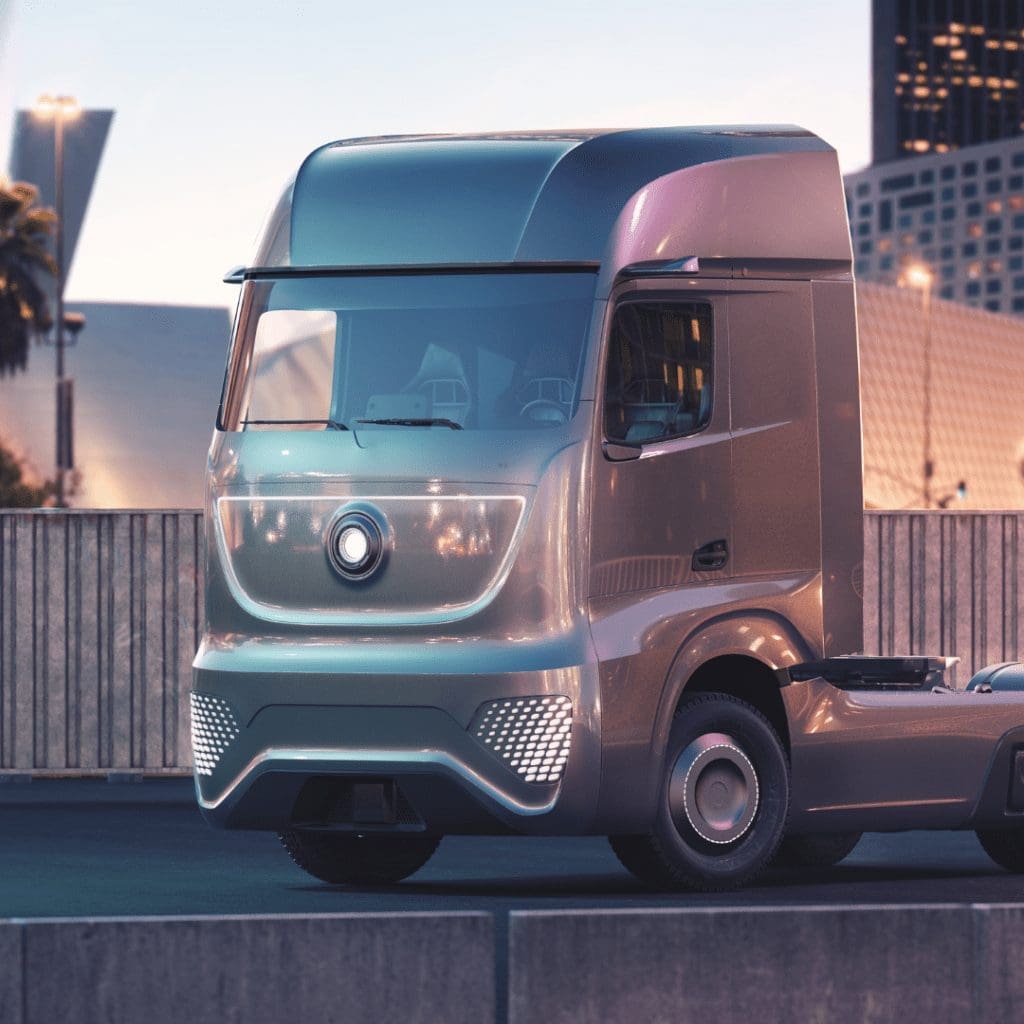
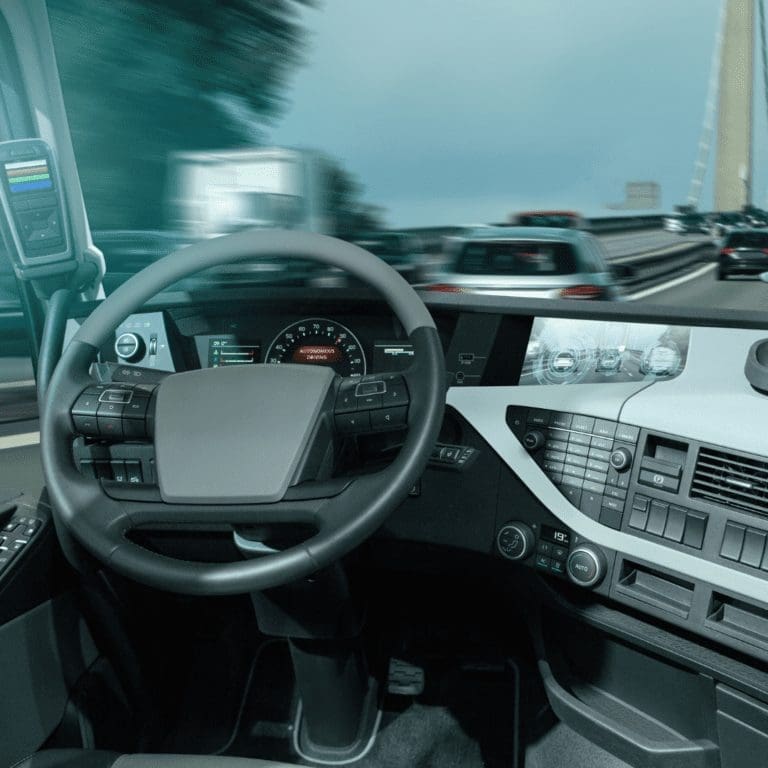
Indiana and New York have plans to introduce bills that restrict the presence of these trucks on state highways.
The latest advancements in autonomous trucks have led to an increased inclination towards seeking regulations that restrict the presence of these trucks on state highways. In the coming months, legislators from Indiana and New York have plans to introduce bills for consideration.
In Indiana, Senator Jim Tomes and Representative Cindy Ledbetter support a bipartisan bill to amend autonomous vehicle regulations in the state. The proposal aims to authorize a platoon of electronically coordinated automated vehicles with synchronized speeds and following distances.
The state specifies that an autonomous tractor-trailer cannot operate on roads to transport passengers or goods without the physical presence of a human operator; all operators must comply with state and federal qualifications. The legislation, introduced as HB1022 and SB57 by Representatives Tomes and Ledbetter, aims to adapt laws to new technology and ensure safety on the roads.
On the other hand, in New York, Senator Pete Harckham seeks to change state legislation regarding large autonomous vehicles. Currently, these vehicles are not required to have someone in the cabin capable of taking control in emergencies. However, Harckham has introduced bill S7758, which would require operators to be present in autonomous trucks weighing over 10,000 pounds when traveling on state roads.
The senator emphasizes that this measure would provide job safety for more than 270,000 citizens, representing one in every 27 jobs in the state. The proposal is currently under review in the Senate Transportation Committee.

In September, California Governor Gavin Newsom vetoed a law that sought to prohibit the operation of autonomous vehicles with a gross vehicle weight of at least 10,001 pounds without a physically present safety operator. Newsom pointed out that the existing law provides an adequate regulatory framework, and the DMV has the authority to oversee and take necessary actions to protect public safety in the testing and operation of autonomous vehicles in the state of California.
The implementation of autonomous trucks without safety drivers is a topic that has sparked national debate in recent months. Advocates highlight benefits such as fuel savings, reduced traffic congestion, and improved road safety. Critics express concerns about the interaction between automated and traditional vehicles, questioning the viability of widespread use of this technology. The Independent Owner-Operators Drivers Association recognizes the potential of autonomous technology but continues to address challenges related to commercial vehicles and road safety posed by autonomous trucks.

Dalilah Law seeks to remove non-english speaking commercial drivers
President Donald Trump proposed the “Dalilah Law,” an initiative aimed at prohibiting undocumented immigrants from obtaining commercial driver’s licenses. On February 24, President Donald Trump

FORMULA 1 and the AI That Could Transform Transportation in the U.S.
The artificial intelligence system that Formula 1 implemented to monitor every car on every turn is opening the door to new applications in trucking, logistics,

$170 billion at stake: 1,500 companies demand tariff refunds
Companies have challenged the global tariffs imposed by President Donald Trump, asking federal courts to reactivate proceedings to begin the refund process. The companies that

In brief: enforcement measures target speeding, CDL training gaps and more
Major enforcement actions across the U.S., including speeding, CDL fraud, and chain violations Colorado launches Speed Enforcement Program The Colorado Department of Transportation (CDOT) has

Chinese Vehicles Raise Espionage and Remote Sabotage Concerns
Investigations into Chinese technology in connected vehicles warn of espionage risks, massive data transmission, and potential remote access vulnerabilities that concern U.S. transportation and security

Between the Court and the Fed: the market redefines its roadmap for 2026
Trade policy in limbo as markets price in 2026 rate cuts and Supreme Court strikes down Trump tariff plan. In the latest episode of the