The study marks the first comprehensive assessment of the adequacy of these regulations.
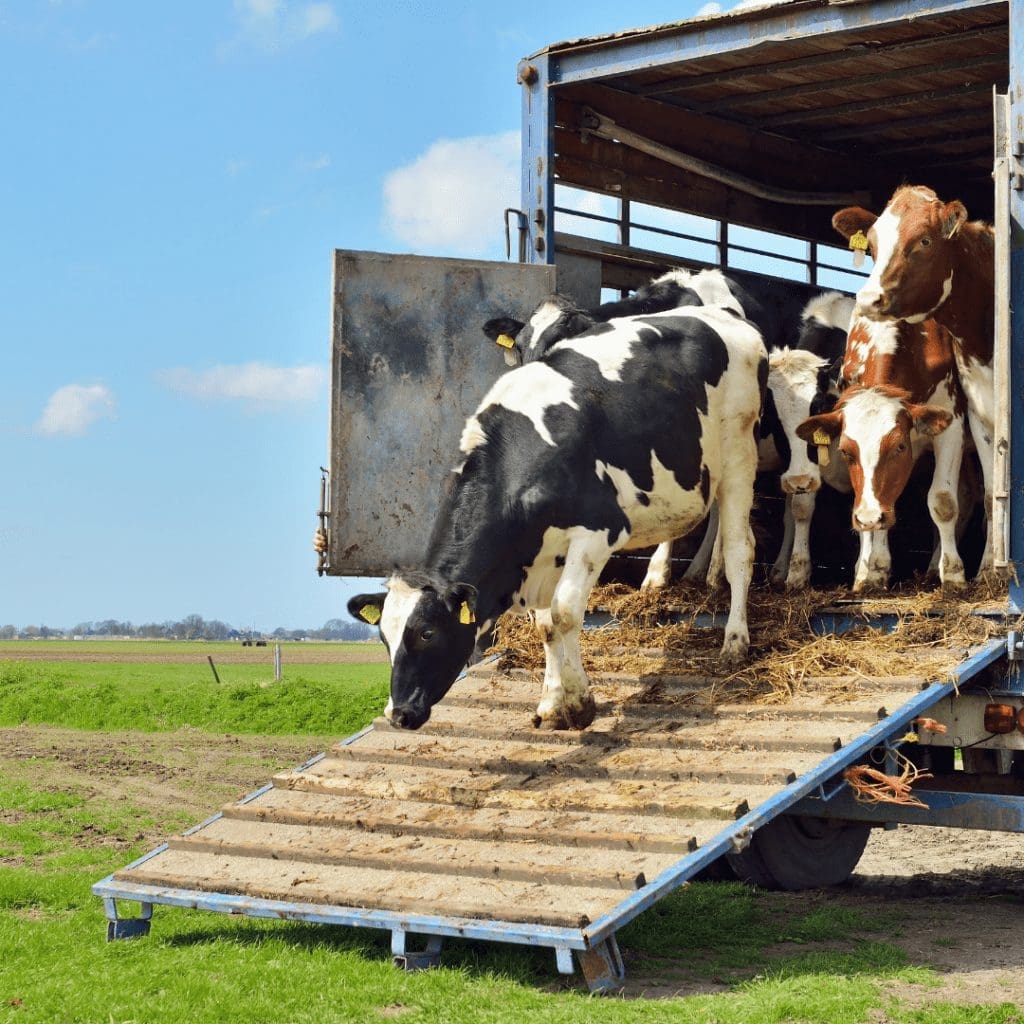
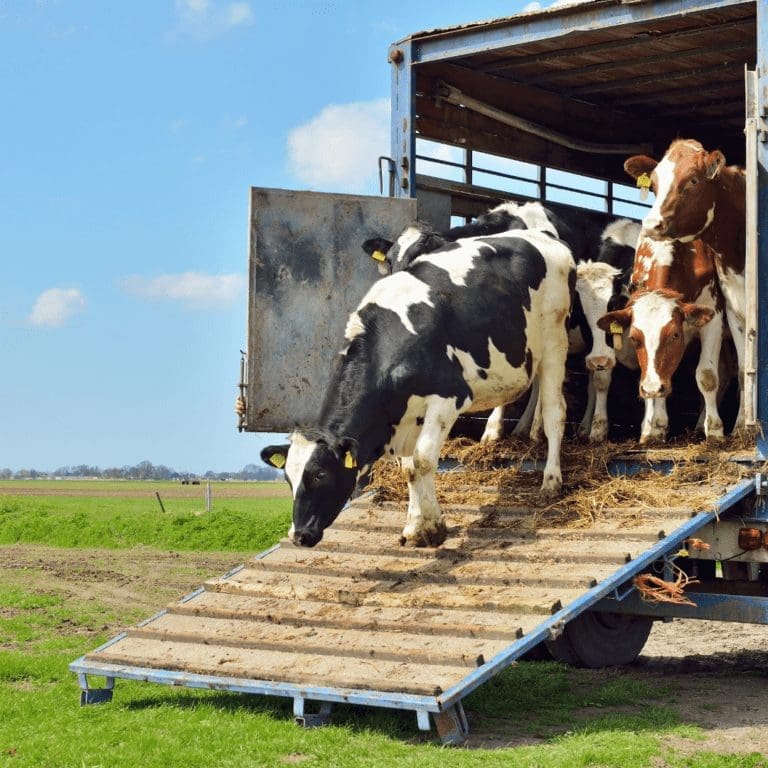
An interdisciplinary study published in the Royal Society Open Science reveals inadequacies in the regulations of five countries regarding animal transportation. Scientists specializing in animal welfare and a law professor examined animal transportation regulations in Australia, Canada, New Zealand, the EU (including the UK), and the US.
Led by researchers from the universities of Bristol, Essex, and British Columbia, the study marks the first comprehensive evaluation of the suitability of these regulations, highlighting serious deficiencies in animal protection during long journeys.
Livestock transportation, a stressful experience for most farm animals at some point in their lives, involves extended periods without access to food, water, or rest. Researchers analyzed four key risk factors in livestock transportation: fitness for transport, travel duration, weather conditions, and available space. The study focused on the regulatory structure aimed at preventing animal welfare issues.
Findings from the research underscore the need to improve regulations and establish future guidelines in all countries. For instance, the absence of travel duration limits for all animals allows for journeys spanning several days. Additionally, not all countries require periodic rest stops on long journeys, and those that do often impose insufficient times for meaningful recovery.

Updating transportation regulations based on the latest scientific knowledge would be a significant step toward enhancing animal welfare in this process, aligning industry practices with prevailing social values.
The research team reviewed recent and proposed changes in regulations, not yet enacted into law, as well as various options under consideration. Dr. Ben Lecorps, co-author and professor of Animal Welfare at the University of Bristol’s Veterinary School, concludes that current regulations are insufficient to ensure alignment with desired objectives. He highlights that the analyzed countries do not provide adequate protection to livestock during journeys, as critical risk factors, such as excessively long trips or exposure to heat, are not adequately addressed.
Dr. Eugénie Duval, co-author and professor at the University of Essex Law School, suggests that, while some regulations may not necessarily reflect the latest scientific evidence, some are more specific than others. She proposes that regulations could be improved by combining positive aspects from different regulatory frameworks, such as Canada’s fitness for transport and the EU’s specific temperature thresholds for vehicles, along with proposals from some countries, like the ban on exporting outside the EU borders. This could represent a significant advancement in preserving animal welfare during transportation.

The meaning of Hanukkah and how to celebrate it on the road
Hanukkah is a celebration of resilience and hope, and here are some ways you can take this on the road. December is one of the

Waymo under investigation for potential safety risk in school zones
A recent wave of videos has shown that some Waymo vehicles are not complying with safety regulations in school zones. The autonomous vehicle company Waymo,

Don’t Blame the Snow: The Real Causes Behind Winter Truck Accidents
Don’t Blame the Snow: Why Most Winter Truck Accidents Are Preventable

Mexico aligns with U.S. as new tariffs target Asian imports
Mexican lawmakers gave their final approval to the new tariffs on Asian imports, largely aligning themselves with the United States’ efforts to tighten trade barriers

Seven charged in New York CDL fraud case involving DMV employees
A group of DMV employees in New York allegedly manipulated the process of obtaining commercial driver’s licenses by allowing applicants who never showed up to

Transportation Seeks Proposals to Rebuild the American Legion Memorial Bridge
Transportation seeks proposals to rebuild the American Legion Memorial Bridge, repeating the call for proposals to address the most critical freight chokepoint on the East Coast. The initiative aims to attract ideas, financing models, and private-sector innovation to modernize a corridor that today imposes millions in delays on the trucking industry.