A brief history of the progress and development of trucking in the U.S.
The history of road transportation in the United States is a tale of technological progress and labor development spanning over a century. From the early trucks that emerged in the late 19th century to the present day, this evolution has been a narrative of innovation, regulation, and adaptation. Road transportation is a vital component of American commerce, with a rich history intertwined with the nation’s growth; the industry is responsible for supplying 70% of all goods reaching the market.
1896: birth of the truck
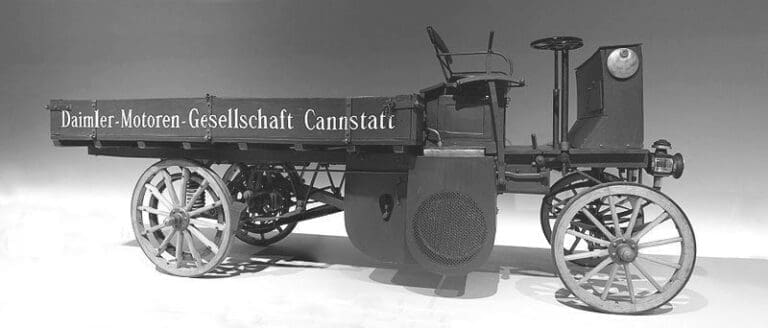
The roots of road transportation trace back to the development of steam wagons in the late 19th century. However, it was in 1896 that inventor Gottlieb Daimler took this concept a step further by transforming a horse-drawn carriage, equipping it with a two-cylinder, four-horsepower engine designed from a modified touring car engine. Subsequently, in 1900, brothers Jack and Gus Mack founded the company that would become Mack Trucks, a pioneer in the modern road transportation industry.

1910: the first modern truck
In 1914, Otto Neumann and August Fruehauf developed the semi-trailer, followed in 1915 by the introduction of the fifth wheel by Hermann Farr and Martin Rocking, enabling a secure coupling between semi-trailers and trailers.
1920: road transportation expands
During the 1920s, there was a significant increase and progress in the realm of road transportation in the United States, driven by the expansion of paved roads. This improvement in infrastructure allowed trucks to become an effective alternative to railroads for freight transportation.
1940: trucks for the war
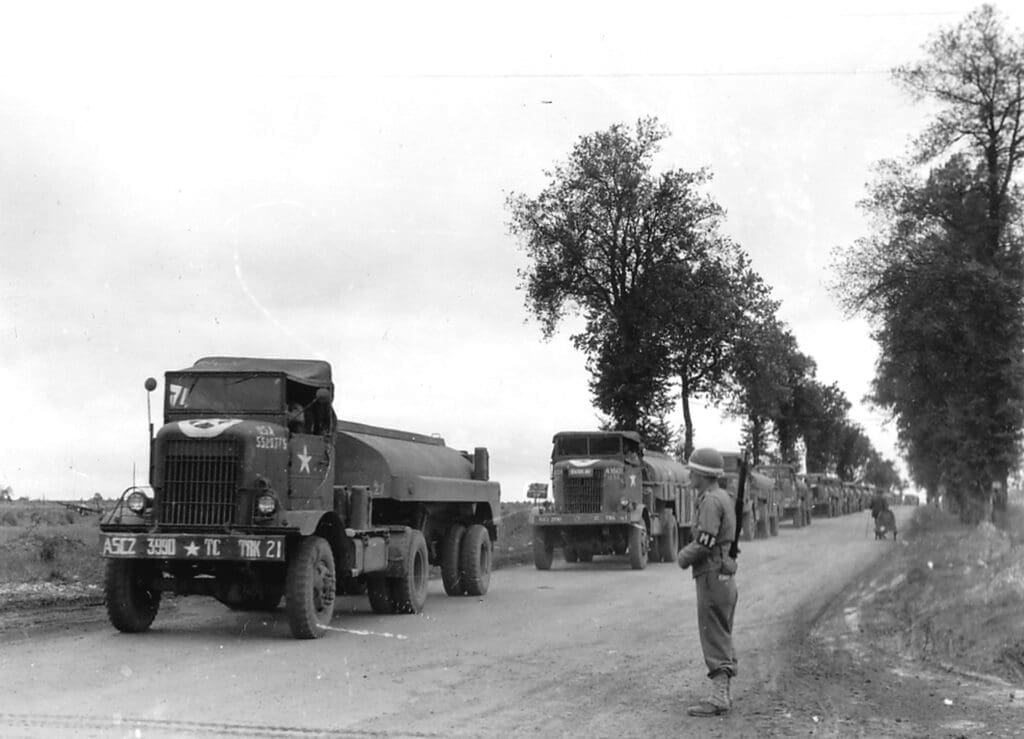
During World War II, American trucks were essential for transporting troops and supplies. The post-World War II economic boom propelled American road transportation into the modern era.
The road transportation industry experienced rapid growth due to advancements such as powerful diesel engines, refrigerated containers, and the expansion of the road network. After the war, trucks became the primary method of transporting goods and products, surpassing trains for the first time since the completion of the Transcontinental Railroad in 1869.

1970: golden age of road transportation
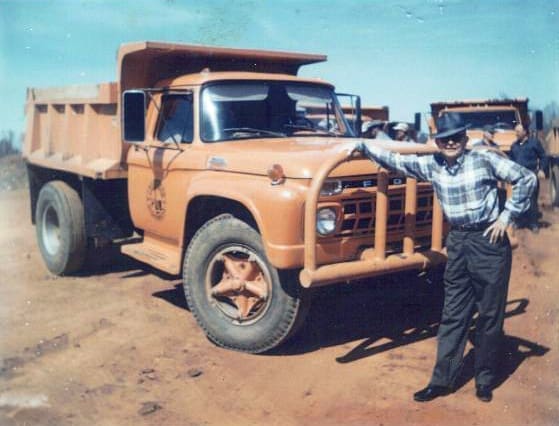
In the 1970s, there was a boom in trucking culture, portraying truck drivers as modern rebels. This decade laid the groundwork for the contemporary era of road transportation, with increased competitiveness and its essential role in the American economy.

2000: decade of innovation
During the 2000s, regulations on engine emissions were tightened, led by the EPA to address the impact of diesel exhaust on public health, resulting in significant changes in engine technology and emissions control. The decade also witnessed an increased pursuit of new innovations to enhance truck power, especially for heavy vehicles that experienced significant growth in popularity.
2016: first autonomous driving truck
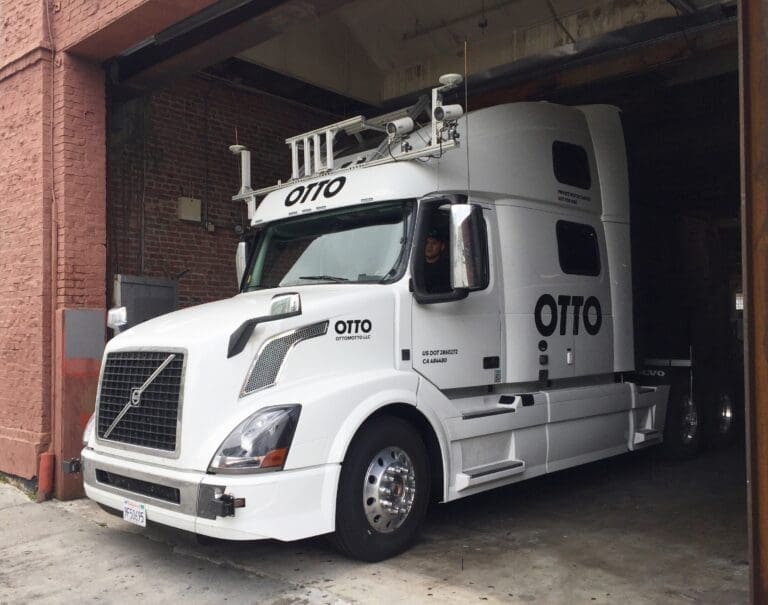
In October 2016, a milestone was witnessed: a truck transported 2,000 cases of Budweiser over a 120-mile journey. This type of delivery had been carried out countless times by truckers, but this time there was no driver. In collaboration with Anheuser-Busch, a new company called Otto deployed one of its self-driving trucks on a successful mission, presented as a glimpse of a future without the need for truck drivers.

2020: zero emissions and autonomous trucks
In this new decade, the sector has experienced advances in autonomous transportation technologies, although widespread adoption and regulatory frameworks are still evolving. There has been a greater emphasis on reducing carbon emissions and exploring sustainable and eco-friendly technologies for road transportation, in line with global environmental objectives.
Innovations continue, and the story continues to unfold. What does the future hold for the road transportation industry in the coming years?

What Truck Drivers Love Most About Their Job
Truck driving isn’t just a job; for many, it’s a calling that offers a unique blend of freedom, adventure, and independence. By Bob Dilliplaine, Industry

Frozen Roads After Bomb Cyclone: Black Ice, Record Snow and High Risk for Trucks
Frozen roads continue to disrupt freight transportation following the impact of a powerful bomb cyclone, leaving behind black ice, highway shutdowns, power outages, and dangerous winter driving conditions stretching from the Gulf Coast to New England.

Lunar New Year 2026: Ancient Traditions, Renewed Energy, and Massive Celebrations
Lunar New Year 2026 begins on February 17 under the sign of the Fire Horse and is marked by spiritual rituals, family reunions, and large-scale celebrations in both China and the United States, especially in California.

Freedom 250 Grand Prix: How Logistics and Transportation Will Power the Race in Washington
The first-ever IndyCar street race in Washington, D.C., scheduled for August 21–23, will headline the United States’ 250th anniversary celebrations — and it will trigger a massive transportation, freight, and urban logistics operation behind the scenes.

Groundhog Day: What It Means for Trucking When “Phil Sees His Shadow”
The forecast from America’s most famous groundhog is calling for more winter — and that’s an important signal for the trucking industry and cold-season route planning

Love on the open road: the best dating apps for truckers
If you’re looking for someone to go the long haul with, here are the best dating apps for truck drivers. They say love is everywhere…