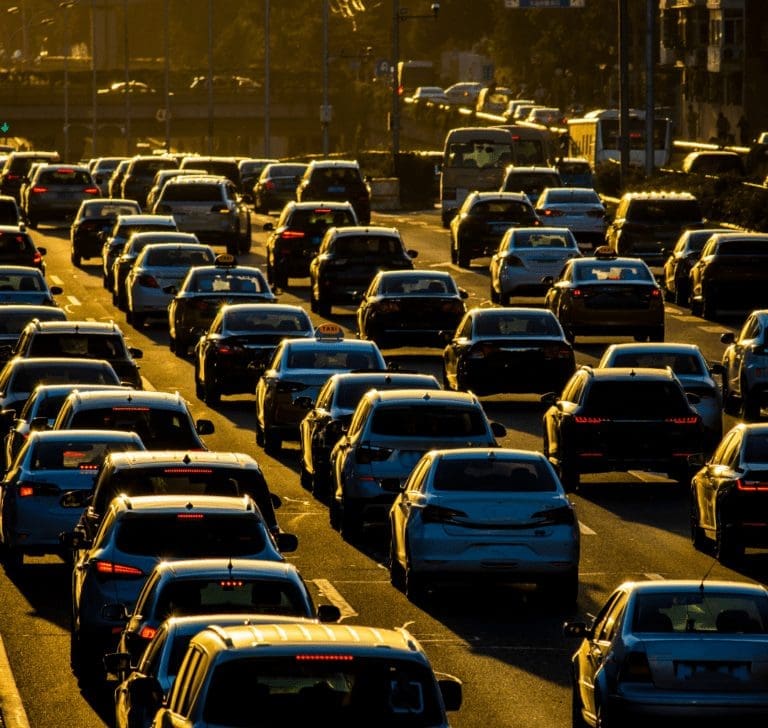
These regulations, which will apply to 2027 models and beyond, set stricter standards for pollutants and greenhouse gasses
On March 20th, the Environmental Protection Agency (EPA) announced new emissions regulations for light and medium-duty vehicles, designed to significantly reduce greenhouse gas emissions over time. These regulations, which will apply to 2027 models and beyond, set stricter standards for pollutants and greenhouse gasses.
The new regulations, taking effect in 60 days, exempt heavy-duty trucks but encompass medium-duty vehicles such as Class 2b and 3 trucks, weighing between 8,501 and 14,000 pounds. Stemming from existing regulations governing models from 2023 to 2026, these standards are geared towards mitigating both climate pollution and emissions of smog and soot.
The automotive industry has expressed concern, citing a slowdown in electric vehicle sales, which are necessary to meet the regulations. The EPA indicates that sales should consist of 56% electric vehicles by 2032, with at least 13% plug-in hybrids or other partially electric vehicles, along with more fuel-efficient gasoline cars.

Final standards for light and medium-duty vehicles
The EPA is finalizing the same proposed standard for fiscal year 2032, providing additional time for the automotive sector to expand clean vehicle supply chains in the first three covered years.
These standards are estimated to generate annual net benefits to society of $99 billion and avoid 7.2 billion tons of CO2 emissions by 2055, equivalent to four times the emissions from the entire transportation sector in 2021. Additionally, they will reduce air pollution, preventing up to 2,500 premature deaths by 2055 and mitigating cardiovascular and respiratory diseases.
Compared to the current standards for 2026, the new standards for 2032 represent a 50% reduction in greenhouse gas emissions for light-duty vehicles and a 44% reduction for medium-duty vehicles. Furthermore, a reduction of over 95% in emissions of harmful fine particles is expected, improving air quality, especially for communities near major roads and with environmental justice concerns, along with $62 billion in reduced annual fuel, maintenance and repair costs for drivers.
The final standard reflects significant investments in clean vehicle technologies, both nationally and internationally, as well as changes in the U.S. market and growing consumer interest in cleaner vehicles. According to Michael Regan, EPA administrator, these standards will improve air quality in affected communities and offer drivers a variety of clean vehicle options while saving them money.

Truck drivers are at high risk of developing diabetes
About 11% of the adult population meets the criteria for prediabetes, and there is a particular group at high risk: truck drivers. Diabetes rates in

Starting in trucking: required permits, registrations, and compliance
Are you a new carrier? This is what you need to know about permits, registration, and compliance. The trucking industry can be quite challenging for

Alberta Clipper Brings an Early Polar Blast: A Critical Alert for Drivers
The Alberta Clipper is sweeping across the country with fast-moving Arctic air, sharp temperature drops, and dangerous road conditions that demand heightened attention from all professional drivers.

American manufacturers trigger truck “dumping” investigation
Foreign trailer manufacturers under investigation for alleged “dumping” in the U.S. The U.S. truck market is at the center of a trade dispute. After domestic

ATRI Warns: Litigation Is Rising Across the U.S. Trucking Industry
A new report from the American Transportation Research Institute (ATRI) reveals how escalating litigation, higher legal costs, and mounting insurance pressures are reshaping the U.S. trucking industry. The findings mark a critical moment for motor carriers, insurers, and logistics stakeholders who must understand the changing legal environment — and the increasingly strategic role of strong insurance partnerships.

FMCSA says no to hours-of-service exemptions
FMCSA rejects two requests for exemptions to hours-of-service rules for commercial drivers. The Federal Motor Carrier Safety Administration (FMCSA) has denied two exemption requests related