 Hable con un agente al (888) 572-7520
  Enviar mensaje a un agente

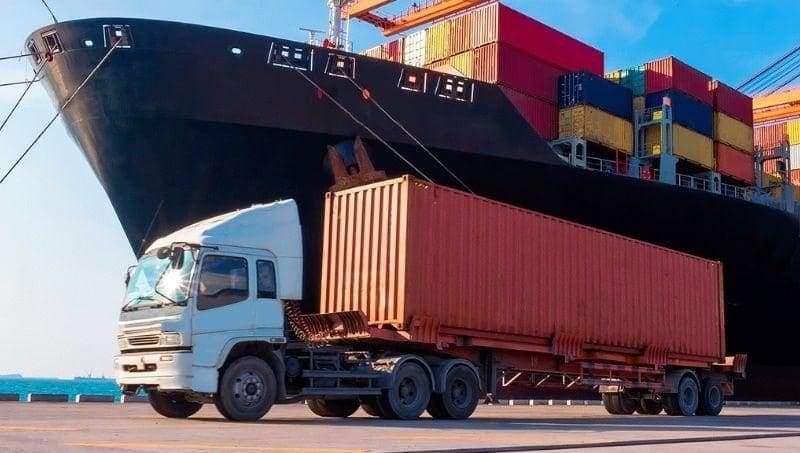

The 25% tariffs on European trucks and their potential impact on U.S. logistics introduce a new scenario for the freight transportation sector. The announcement by President Donald Trump signals a possible shift in how the industry may evolve, pointing toward increased domestic manufacturing, stronger internal logistics activity, and a gradual reconfiguration of supply chains.
At the core of the proposal is a clear incentive: trucks and components manufactured within the United States would benefit from a more favorable environment. This approach aims to encourage industrial relocation, a trend already reflected in major investment announcements for new automotive plants. If this direction continues, the most immediate effect could be a rise in domestic logistics activity.
More domestic production and higher freight demand
If the 25% tariffs on European trucks ultimately drive more production within the United States, U.S. logistics could experience sustained growth. Every new manufacturing facility requires a constant flow of raw materials, auto parts, and finished goods, increasing the demand for ground transportation.
This directly benefits the trucking industry, which could see growth in contracts, active routes, and freight volumes. Unlike long global supply chains, a more localized production model creates higher logistics density within the country, improving operational efficiency and predictability.
Impact on fleets and investment decisions
The 25% tariffs on European trucks adn cars could also influence fleet renewal strategies within U.S. logistics. If imported vehicles become more expensive, companies may shift toward domestically manufactured options, strengthening the local industry.
At the same time, this environment may accelerate investment decisions in leasing, maintenance, and asset optimization. Rather than acting solely as a barrier, tariffs could serve as a trigger for fleet modernization, with a stronger focus on efficiency, uptime, and operational performance.
Supply chain reconfiguration
The potential impact on U.S. logistics extends beyond vehicles themselves and into the broader structure of supply chains. The 25% tariffs on European trucks could reduce reliance on imports and encourage a more regionalized model.
For freight transportation, this translates into shorter routes, more predictable delivery times, and greater operational control. Such a shift enhances the resilience of the logistics system, making it better equipped to handle global disruptions and changing demand patterns.
New opportunities for domestic transportation
In a scenario where the 25% tariffs on European trucks boost local production, U.S. logistics could expand across new freight corridors. The development of manufacturing hubs requires consistent connectivity, leading to increased activity on key routes and further infrastructure development.
This growth may also benefit regional and mid-sized operators, who can find new opportunities within more decentralized supply chains. As routes and client bases diversify, the overall logistics ecosystem becomes stronger and more flexible.
European Union Automotive Exports to the United States (2024)
| Indicator | Key Data |
|---|---|
| Total export volume | ~750,000 vehicles |
| Total value | ≈ €39 billion |
| U.S. share | ~20% of EU automotive exports |
| Main vehicle types | Cars and SUVs |
| Heavy truck share | Low |
| Relevant segments | Light, medium trucks and commercial vehicles |
An evolving scenario for the industry
As companies begin to assess different scenarios, adjust strategies, and prepare for a more dynamic environment, adaptability becomes critical.
In this context, businesses that can anticipate changes, optimize operations, and leverage the growth of domestic freight transportation will be better positioned to succeed.
Beyond its potential implementation, the measure reflects a broader trend: the reconfiguration of global logistics toward more regional, efficient, and resilient models. In that process, U.S. logistics could emerge stronger and more competitive.
Another dimension to consider is the potential impact on innovation and technology adoption within the U.S. trucking sector.
European manufacturers have traditionally been strong in areas such as fuel efficiency, emissions systems, and advanced safety features. If tariffs limit access to these vehicles or components, U.S. operators and manufacturers may accelerate domestic development of similar technologies or seek alternative suppliers. This could ultimately drive innovation within the local industry, fostering new partnerships, investment in R&D, and a more competitive technological landscape in the long term.
 Business hours: Monday to Friday from 8:00 AM to 5:00 PM. California time