Llame al (888) 572-7520 para hablar con un agente

An air quality alert has been issued as high levels of fine particle pollution (PM2.5) trigger health warnings across several parts of California. The situation is affecting visibility, driver health, and logistics operations, forcing transportation professionals to take extra precautions on highways and in urban corridors.

An air quality alert is now affecting multiple regions of California, where elevated concentrations of PM2.5 — microscopic fine particles suspended in the air — have pushed pollution levels into unhealthy ranges. While air quality alerts are often associated with wildfire smoke, this episode is largely driven by dry winter weather, atmospheric inversions, and the buildup of vehicle and industrial emissions.

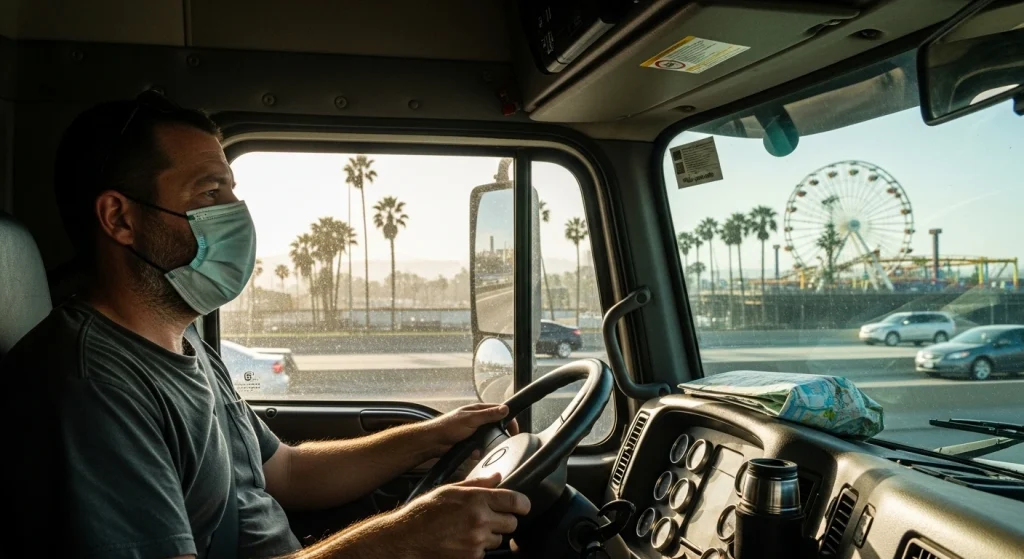
For the transportation sector — especially long-haul truck drivers, delivery fleets, and logistics operators who spend extended hours on the road — this air quality alert is not just an environmental concern. It presents a direct operational and safety challenge that affects both driver well-being and route planning.

What PM2.5 Is and Why It Matters to Transportation

PM2.5 refers to airborne particles smaller than 2.5 micrometers in diameter. Because of their extremely small size, these particles can travel deep into the lungs and even enter the bloodstream. They are primarily produced by fuel combustion, vehicle exhaust, industrial processes, power generation, and the burning of biomass. Road dust, as well as tire and brake wear, also contributes to these fine particles.

In areas with heavy truck traffic and dense urban congestion, PM2.5 concentrations can rise significantly, particularly when weather patterns trap polluted air close to the ground. This is common in California’s valleys and basins, where surrounding mountains limit air circulation and allow pollution to accumulate.

How Poor Air Quality Affects Drivers and Road Operations

The current air quality alert highlights several risks for transportation workers and road safety.

Increased health risks for drivers
Truck drivers and delivery operators are exposed to outdoor air for many hours each day, even while inside vehicle cabins. Prolonged exposure to PM2.5 can lead to throat irritation, persistent coughing, shortness of breath, chest tightness, and worsening of asthma or heart conditions.

Fatigue and reduced alertness
Breathing polluted air can cause headaches, unusual tiredness, and reduced oxygen intake efficiency. These factors may lower concentration levels and slow reaction times behind the wheel — a serious concern for highway safety.

Reduced visibility in some regions
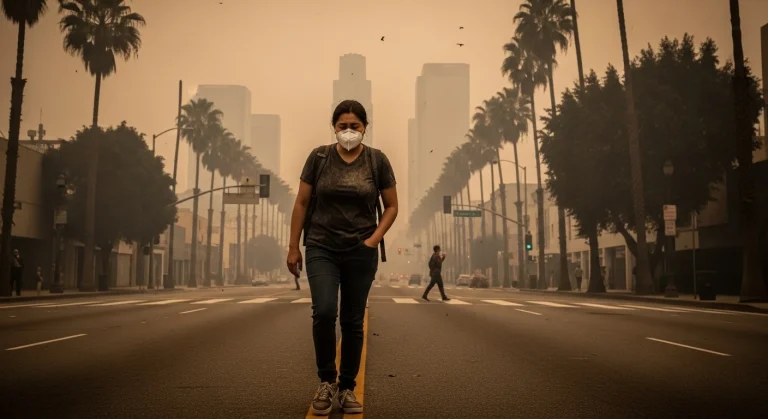
Although PM2.5 itself is often invisible, pollution episodes can combine with haze or smog, reducing visibility on highways, mountain passes, and urban access roads. This can increase the risk of collisions, especially during early morning or nighttime driving.

Higher exposure near freight corridors
Communities and workers located near ports, distribution centers, and major freight highways often experience higher pollution levels. Drivers waiting in loading areas or navigating congested logistics hubs may face greater exposure during an air quality alert.

Recommendations for Truck Drivers and Fleet Operators

During an air quality alert, preventive measures can significantly reduce health risks and help maintain safe operations.

Before heading out on the road

  • Check the Air Quality Index (AQI) for departure points, destinations, and route stops.

  • When possible, adjust schedules to avoid driving during peak pollution hours.

  • Ensure the truck’s cabin air filtration and ventilation systems are working properly.

While driving

  • Keep windows closed in areas under an air quality alert.

  • Use the cabin ventilation system in recirculation mode to limit outside air intake.

  • Avoid unnecessary idling, since prolonged engine idling increases both emissions and personal exposure.

Driver health precautions

  • Watch for symptoms such as persistent coughing, chest discomfort, dizziness, or unusual fatigue.

  • Drivers with asthma, lung disease, or heart conditions should keep prescribed medications accessible and avoid strenuous outdoor activity during alert periods.

  • Stay well hydrated, as polluted air can dry and irritate the respiratory system.

Measures for Transportation and Logistics Companies

Fleet managers and logistics operators also play a key role in responding to an air quality alert.

  • Adjust loading and unloading schedules to reduce outdoor exposure when pollution levels are highest.

  • Enforce anti-idling policies in yards and distribution centers.

  • Replace cabin air filters more frequently during high-pollution periods.

  • Train drivers to recognize symptoms of air pollution exposure and respond appropriately during environmental alerts.

A Growing Link Between Air Pollution and Transportation

Episodes like this California air quality alert underscore the strong connection between transportation activity and air quality. Freight movement is essential to the economy, but vehicle emissions are also a major contributor to the fine particle pollution that builds up during stagnant weather conditions.

As a result, the transportation industry is increasingly adopting cleaner technologies, improving fuel efficiency, and using smarter logistics planning to reduce time on the road and lower emissions.

This air quality alert in California is a reminder that air pollution is not only a public health issue but also a transportation safety concern. For drivers, fleet operators, and logistics planners, monitoring air conditions is becoming just as important as checking weather forecasts or road closures. Taking simple precautions during pollution alerts can help protect driver health and ensure safer, more reliable transportation operations.

Facebook
Twitter
LinkedIn
Pollution

Air Quality Alert in California Impacts Transportation

An air quality alert has been issued as high levels of fine particle pollution (PM2.5) trigger health warnings across several parts of California. The situation is affecting visibility, driver health, and logistics operations, forcing transportation professionals to take extra precautions on highways and in urban corridors

Read More »

Leave a Reply

Your email address will not be published. Required fields are marked *

Business hours: Monday to Friday from 8:00 AM to 5:00 PM. California time
Leave your number and a member of our company will contact you
Horario de atención: Lunes a viernes de 8.00 AM a 5.00 PM. Hora california

Deje su número y un miembro de nuestra empresa se pondrá en contacto con usted

Privacy summary

This website uses cookies so that we can offer you the best possible user experience. Cookie information is stored in your browser and performs functions such as recognizing you when you return to our website or helping our team understand which sections of the website you find most interesting and useful.

More information about the privacy policy: Privacy Policy

More information about the terms of use: Terms of use 

More information about the disclaimer: Disclaimer 

More information on acceptable use policies: Acceptable Use Policies