 Hable con un agente al (888) 572-7520
  Enviar mensaje a un agente



The Commercial Vehicle Safety Alliance’s (CVSA) 2026 Brake Safety Week begins this Sunday. From August 23 to 29, agents in Canada, Mexico, and the United States will conduct routine commercial vehicle inspections, with a special focus on brake systems and components.
The seven-day initiative aims to improve road safety by ensuring that commercial vehicles traveling on North American roads are equipped with properly maintained and functioning braking systems. Vehicles found with violations that warrant an out-of-service (OOS) order under CVSA criteria will be removed from service until those violations are corrected.
In addition to inspections, Brake Safety Week also emphasizes education and awareness. Informational sessions will be held for drivers, carriers, and mechanics on the critical role preventive vehicle maintenance plays in reducing crashes and saving lives.
During the 2025 Brake Safety Week, a total of 15,175 commercial motor vehicle inspections were conducted, of which 2,296 resulted in out-of-service (OOS) violations. The goal of Brake Safety Week is to continually reduce this number through roadside inspections and by educating everyone involved in the trucking industry.
Most Common Violations Found During Brake Safety Week
During an unannounced surprise inspection campaign conducted earlier this year, authorities carried out 4,021 commercial motor vehicle inspections. As a result, 574 vehicles were placed out of service due to brake-related violations.
The violations most commonly detected during these inspections and throughout Brake Safety Week are typically related to brake drums and air disc brakes. Because these components can show signs of wear or deterioration, they receive special attention during inspections. According to CVSA data, the main violations include:
1. Air Leaks
Air leaks are one of the most common causes of brake-related violations and can lead to a loss of pressure, compromising the proper operation of the system. Regular inspections and immediate repair of any leaks help prevent more serious problems.
2. Brake Drums
Inspectors look for cracks, missing components, and excessive wear. Any of these conditions can result in a violation or an out-of-service order if the vehicle does not meet established requirements.
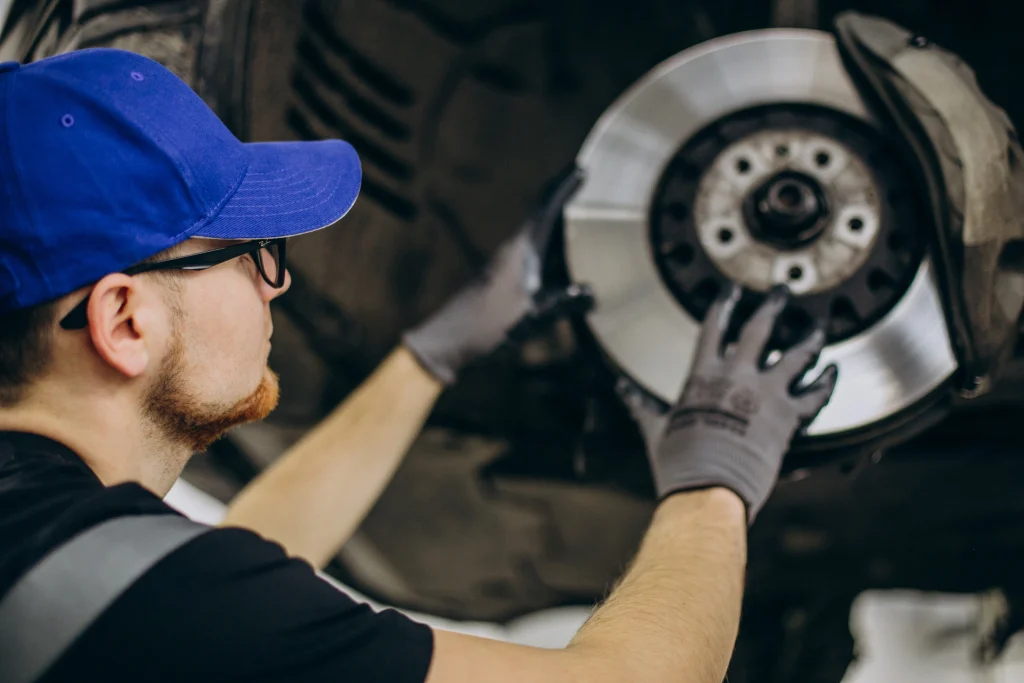
3. Air Disc Brakes
These brakes are also inspected for cracks, excessive wear, or signs of heat-related damage, all of which can affect the vehicle’s braking capability.
These violations demonstrate the importance of regularly inspecting and maintaining brake systems. Proper maintenance not only contributes to the safety of the driver and other road users, but also helps ensure compliance with safety regulations.
Quick Checklist for Truck Drivers During Brake Safety Week
Before Departure
- Check for air, oil, or other fluid leaks.
- Make sure hoses and connections are secure and free of damage.
- Verify that the brake chambers, drums/discs, and visible components show no signs of damage.
- Check that the brake system responds properly.
- Make sure the parking brake is working.
- Confirm that no brake warning lights or alarms are illuminated on the dashboard.
During the Trip
- Maintain a safe following distance and anticipate braking.
- Avoid unnecessary hard braking.
- On grades, properly use the appropriate gears and auxiliary braking systems.
- Be alert for changes in pedal feel or brake system response.
If You Detect a Problem
- Pull over in a safe location as soon as possible.
- Do not continue operating the vehicle if the brakes are not functioning properly.
- Report the problem and request a professional inspection or repair.
Prevention and ongoing maintenance are the best ways for a commercial vehicle driver to prepare for CVSA inspections. The goal is not simply to pass the inspection, but to ensure safe trips throughout the entire year.
 Business hours: Monday to Friday from 8:00 AM to 5:00 PM. California time