 Hable con un agente al (888) 572-7520
 Enviar mensaje a un agente




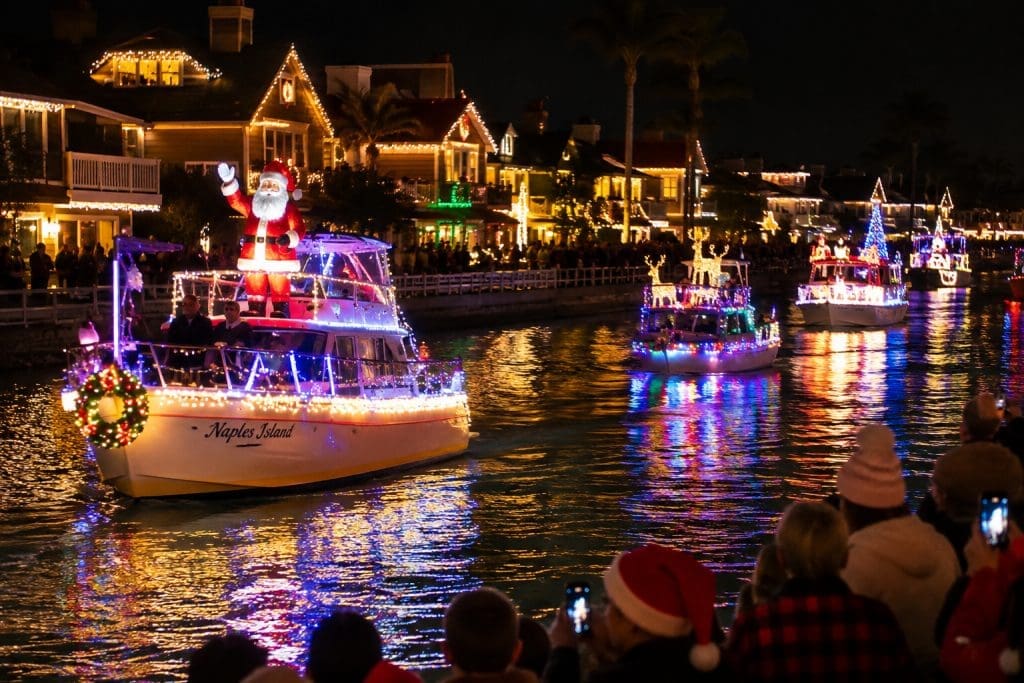
Christmas 2026 will arrive without one of Long Beach’s most beloved holiday traditions. The Naples Island Holiday Boat Parade, held since 1946 and attracting approximately 60,000 spectators each year, has been canceled due to flooding concerns associated with exceptionally high tides that could reach 8.5 feet (2.6 meters) during Christmas week.
The decision by the Naples Improvement Association follows forecasts predicting unusually high water levels, particularly around December 24, when the highest tides are expected. The situation has raised concerns about deteriorating seawalls and deficiencies in the drainage system protecting Naples Island’s homes, streets, and canals.
The cancellation also serves as a warning for trucking and logistics companies operating along the California coast. Although no highway closures or port terminal disruptions have been announced in connection with these tides, localized flooding could complicate truck traffic, affect commercial access roads, and delay deliveries during one of the busiest periods of the year.
An 80-Year Holiday Tradition Suspended Over Rising Tides
The Naples Island Holiday Boat Parade is one of Long Beach’s most established Christmas celebrations. Every December, more than 100 boats decorated with holiday lights navigate the island’s canals before thousands of spectators.
This year, however, organizers decided to cancel the event after several weeks of deliberations and consultations involving approximately 600 people.
According to the forecasts cited by organizers, tides could reach between 7.5 and 8.5 feet (2.3 to 2.6 meters) during Christmas week. Conditions could worsen due to the combination of exceptionally high astronomical tides, known as King Tides, and ocean-level fluctuations associated with Pacific conditions.
The problem extends beyond the weather. The seawalls protecting Naples Island have deteriorated considerably, and in some areas, water has already overtopped the barriers during high tides, causing flooding of up to two feet (60 centimeters).
The city has a six-phase seawall replacement program, but only two phases have been completed. The estimated cost of finishing the remaining work is $125 million.
In response, funds originally allocated to the parade will instead be used to purchase pumps, hoses, and generators to strengthen preparations for potential flooding.
California Faces Two Threats: Why Are There Both Wildfire and Flood Warnings?
Although wildfires and flooding may seem contradictory, they result from different weather conditions that can occur during the same year.
California experienced periods of intense heat and dry conditions toward the end of the summer season. These conditions reduced vegetation moisture and increased the flammability of landscapes, particularly in mountainous regions and areas covered by brush and forests.
As a result, wildfire risks can persist even as other parts of the state begin preparing for rain and unusually high tides.
Winter introduces a different weather pattern. The development of a strong El Niño event could alter atmospheric circulation over the Pacific and favor a southward shift in the jet stream.
Such a pattern can increase the arrival of storms and atmospheric rivers, long corridors of concentrated moisture capable of producing heavy precipitation across California.
Along the coast, exceptionally high astronomical tides, or King Tides, may coincide with elevated ocean levels and powerful surf. Kelvin waves, associated with the movement of warm water across the Pacific, can also contribute to temporary sea-level increases. According to the projections cited for Long Beach, these anomalies could add approximately 6 to 18 inches (15 to 46 centimeters) to normal water levels.
However, King Tides and atmospheric rivers are separate phenomena. They can occur independently, and their impacts become more severe when they coincide with adverse weather conditions.
The greatest danger to highways arises when heavy rainfall reaches areas previously affected by wildfires.
After a wildfire, vegetation loss and changes in soil properties can reduce water absorption and accelerate surface runoff. When intense rainfall occurs, the risk of landslides, mudflows, and falling rocks increases.
This phenomenon, commonly known as burn scar flooding, can block highways within minutes and create particularly dangerous conditions for heavy commercial vehicles.
For truck drivers, this means hazards can vary significantly by region: wildfires and smoke in areas with dry vegetation, coastal flooding in low-lying communities, and landslides along mountain corridors previously affected by fires.
Weather Alerts That Matter to the Trucking Industry
Conditions anticipated for the 2026–2027 winter season raise particular concerns for California’s coastal transportation corridors and mountain highways.
Among the vulnerable routes is the Pacific Coast Highway (State Route 1), which passes through areas exposed to coastal erosion, powerful waves, and flooding. US-101 and State Route 37 also include sections susceptible to standing water and severe weather.
In mountainous regions, heavy rainfall over previously burned terrain can trigger landslides that force authorities to close lanes, establish detours, or temporarily suspend traffic.
For trucking companies, these events represent a significant operational risk because they can develop with little warning and disrupt routes connecting distribution centers, warehouses, and commercial destinations.
No closures of these highways have been confirmed specifically in connection with the anticipated Christmas tides.
What Could Happen at the Ports of Los Angeles and Long Beach?
The region is home to one of the largest port complexes in the United States, with a constant flow of trucks transporting containers between marine terminals, warehouses, distribution centers, and intermodal facilities.
Exceptionally high tides do not necessarily require ports to suspend operations. However, flooding along access roads, intersections, and storage areas could interfere with truck movements and cause delivery delays.
For logistics companies, the risk is especially relevant in December, when pressure to meet holiday retail distribution deadlines remains high.
Operators using major freight corridors such as I-710 and I-110 should closely monitor traffic conditions and terminal access routes. So far, no closures of these interstates have been confirmed in connection with the forecast high tides.
Trucks, Cargo, and Insurance: How to Prevent Damage
One of the greatest dangers for commercial transportation is driving through flooded streets, particularly when the water comes from the ocean.
Saltwater can accelerate corrosion in mechanical components, electrical systems, brakes, and wheel bearings. It can also damage trailers, chassis, and equipment used to transport shipping containers.
Additional risks include accidents, stranded vehicles, and cargo damage caused by water intrusion or excessive moisture.
For trucking companies, road disruptions can also generate costs associated with delayed deliveries, additional waiting time, and difficulties meeting scheduled terminal appointments.
From an insurance perspective, it is important to distinguish between physical damage to the truck, cargo losses, and financial losses resulting from operational interruptions. Each situation may be subject to different coverage terms and exclusions.
Carriers should therefore review their insurance policies carefully and instruct drivers never to attempt to cross flooded roads, even when the water appears shallow enough to navigate.
What Trucking Companies Should Watch for in November and December
The cancellation of the Long Beach holiday parade is a clear indication of growing concern over the conditions forecast along California’s coast.
For trucking and logistics companies, the priority should be to follow National Weather Service alerts, monitor Caltrans updates, and verify access to pickup and delivery locations before scheduling routes.
Planning alternative routes, reviewing delivery schedules, and protecting trucks and cargo parked in low-lying areas can help reduce the consequences of potential flooding, along with maintaining reliable insurance coverage.
It will also be important to monitor wildfire advisories and landslide warnings in mountainous regions, as highway conditions can change rapidly following heavy rainfall.
For commercial carriers operating in California, staying informed and preparing for changing weather conditions will be essential to protecting drivers, equipment, cargo, and delivery schedules throughout the holiday season.
 Business hours: Monday to Friday from 8:00 AM to 5:00 PM. California time