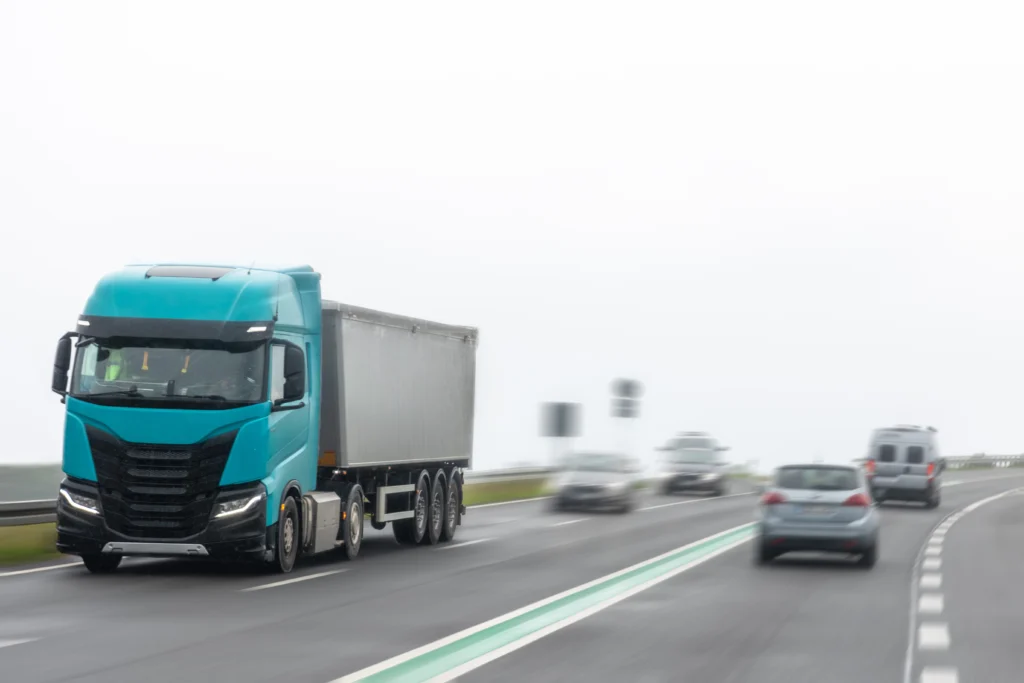
The California DMV announced a series of proposed revisions aimed at facilitating the testing and eventual deployment of autonomous trucks on the state’s highways.
The California Department of Motor Vehicles (DMV) announced on December 3 a series of proposed revisions aimed at facilitating the testing and eventual deployment of autonomous trucks on the state’s highways, allowing operations to begin in 2026. California regulators opened a 15-day public comment period, requesting feedback on new rules that would expand the operation of autonomous vehicles, including medium and heavy-duty models, on the state’s roadways.
After months of review, the California DMV released a new draft for public comment, following an earlier proposal published in April. In response to the initial version, industry groups, labor organizations, local governments, advocacy groups, and residents submitted numerous comments over a 45-day period, enabling the DMV to refine several sections before publishing the current draft.
California DMV releases revised regulatory proposal
The revised proposal introduces a phased authorization process for autonomous trucking companies, similar to the framework used for light-duty autonomous vehicles such as robotaxis. In the first stage, trucks would be allowed to conduct tests with a human safety operator on board.
To gradually transition toward fully autonomous operations, companies would need to accumulate at least 500,000 miles of autonomous testing, including a minimum of 100,000 miles logged within their intended operational domain in California. Only after meeting this requirement would they be eligible for a permit to conduct driverless testing.
The updated package also revises requirements for companies that already operate driverless light-duty vehicles on California roads. The DMV published the revised draft on its website and encouraged stakeholders to review the proposed changes and submit written comments before the December 18 deadline.
Under the revised rules, manufacturers would be required to submit safety reports for review, which could be evaluated with support from external expert consultants if requested by the department. In addition, the DMV removed the previous requirement for companies to submit annual disengagement reports, replacing it with a system focused on documenting dynamic failures of the driving-task system. Companies testing driverless vehicles would report such incidents monthly, while permit holders operating deployed vehicles would submit quarterly reports, according to the proposal.
The DMV’s proposal also modifies how notices of noncompliance for autonomous vehicles are handled and allows medium-duty commercial autonomous vehicles to participate in certain passenger service programs, provided they meet weight and capacity requirements. It further updates regulatory language related to vehicle indicators and emergency geofence responses to align with Sections 38750 and 38751 of the California Vehicle Code.
Mixed reactions across the industry
Opinions on the proposal remain sharply divided. The Teamsters union continues to strongly oppose the deployment of autonomous trucks, regardless of the regulatory updates. Shane Gusman, the union’s legislative director in California, reiterated that they reject both the testing and operation of this technology and emphasized that the Teamsters are advocating for AB 33, a bill that would require a human safety operator in all heavy-duty autonomous trucks.
In contrast, representatives from the autonomous vehicle industry view the DMV’s updated framework as a significant step forward. Daniel Goff, vice president of external affairs at Kodiak AI, described the proposed regulations as a key milestone toward enabling autonomous truck operations in 2026, an advancement he says would improve road safety and strengthen the economy.
New action plan targets fraud, safety, and regulatory gaps in U.S. trucking
A roadmap to reform: how TAEC plans to eliminate fraud in American trucking A broad group of state trucking associations has published an action plan

The top 5 big rigs ever manufactured
Big rigs are more than just machines—they are icons of the open road, symbols of power, endurance, and craftsmanship. Bob Dilliplaine Orange Commercial Credit Big

California DMV unveils revised rules for autonomous truck operations
The California DMV announced a series of proposed revisions aimed at facilitating the testing and eventual deployment of autonomous trucks on the state’s highways. The

Polar Vortex in the U.S.: Northeast Could Become the Coldest Place on Earth Before Christmas
A powerful polar vortex could make the Northeast the coldest place on Earth, bringing life-threatening cold just days before Christmas.

Midwest states declare fuel emergencies
Fuel supply disruptions trigger emergencies in the Midwest. A combination of fuel supply disruptions and winter weather conditions is significantly affecting the supply chain in

Tell us how you decorate your Christmas tree and we’ll tell you your personality
The way you decorate your Christmas tree is a wonderful reflection of who you are. Which personality represents you best? The Christmas tree is one