 Hable con un agente al (888) 572-7520
  Enviar mensaje a un agente

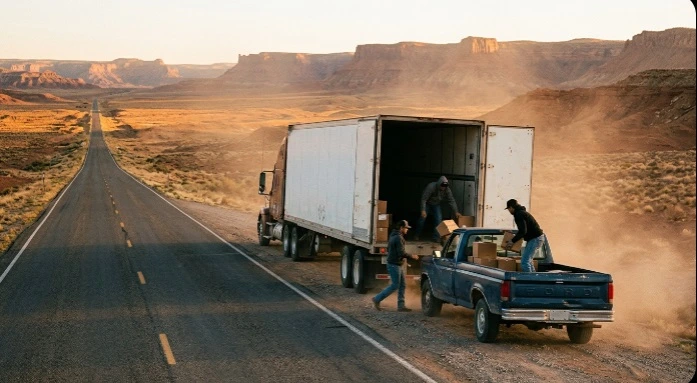

For many truck drivers, the biggest danger on the road is not bad weather, traffic congestion, or mechanical failure. Increasingly, it is cargo theft.
Every year, criminal organizations steal billions of dollars worth of freight across the United States. From electronics and pharmaceuticals to food products and consumer goods, virtually any shipment can become a target.
Industry experts warn that cargo theft is no longer limited to isolated incidents. Organized groups have become more sophisticated, using advanced tactics to identify high-value loads, track freight movements, and exploit vulnerabilities throughout the supply chain.
As freight volumes continue to grow across the country, transportation companies are investing heavily in security measures to protect both cargo and drivers.
California Remains the Nation’s Cargo Theft Hotspot
California consistently reports the highest number of cargo theft incidents in the United States.
The state’s massive logistics network, combined with the ports of Los Angeles and Long Beach, creates an ideal environment for criminal organizations seeking access to valuable shipments.
Southern California remains a primary concern. The Los Angeles, Riverside, and San Bernardino regions handle enormous volumes of freight every day, making them attractive targets for theft rings.
Major freight corridors such as Interstate 5, Interstate 10, Interstate 15, and Interstate 210 frequently appear in cargo security reports.
The combination of busy distribution centers, warehouse districts, intermodal facilities, and high truck traffic provides criminals with numerous opportunities to identify and steal freight.
Texas: A Major Freight Gateway Facing Growing Risks
Texas typically ranks second nationwide for cargo theft activity.
As one of the largest freight markets in North America, Texas serves as a critical gateway for domestic and international trade. Major cities such as Houston, Dallas, Fort Worth, San Antonio, and Laredo process massive amounts of freight every day.
Cross-border commerce with Mexico adds another layer of complexity to cargo security efforts.
The state’s key freight corridors—including I-10, I-35, and I-45—carry thousands of commercial vehicles daily. Criminal groups often target loads moving through these high-volume transportation routes.
Authorities and industry organizations continue working to improve cargo security, but the state’s size and freight density make enforcement particularly challenging.
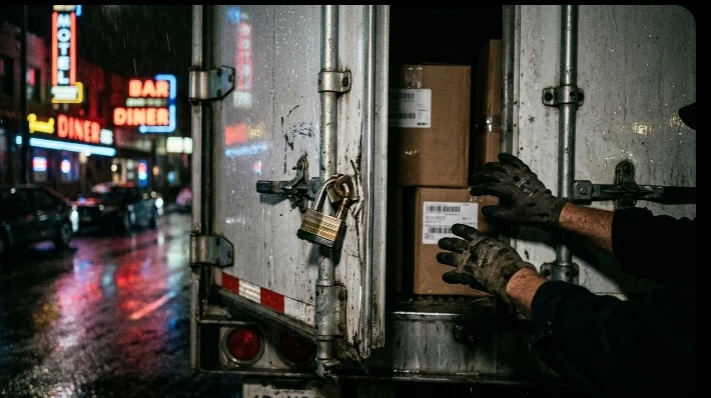
Chicago and Illinois Remain High-Risk Areas
Illinois, particularly the Chicago metropolitan area, is another major hotspot for cargo theft.
Chicago is one of North America’s most important logistics hubs, connecting railroads, highways, warehouses, and distribution centers that serve much of the Midwest.
The concentration of freight creates opportunities for criminals looking to exploit unsecured parking areas, truck stops, and industrial zones.
Interstates I-55, I-80, I-90, and I-94 are among the corridors most frequently associated with cargo theft investigations.
Because so much freight moves through the region, even a small percentage of theft incidents can result in significant financial losses.
Florida Continues to Attract Cargo Criminals
Florida also ranks among the states with the highest levels of cargo theft.
The state’s busy ports, expanding population, growing e-commerce sector, and extensive distribution network make it an attractive target for organized theft groups.
Miami, Jacksonville, Tampa, and Orlando are frequently cited as areas where transportation companies should remain vigilant.
High-demand consumer products, refrigerated goods, pharmaceuticals, and beverages are commonly targeted by thieves.
What Types of Freight Are Most Often Stolen?
While virtually any shipment can be stolen, certain commodities are especially attractive because they can be resold quickly and generate substantial profits.
Some of the most frequently stolen cargo includes:
- Consumer electronics
- Smartphones and tablets
- Computer equipment
- Pharmaceuticals
- Food products
- Alcoholic beverages
- Household goods
- Clothing and footwear
- Tools and construction materials
- High-value retail merchandise
In recent years, refrigerated cargo has also become a growing target due to increasing demand for food products and temperature-sensitive shipments.
Cargo Theft Is Becoming More Sophisticated
Modern cargo theft often looks very different from the traditional image of thieves hijacking a truck on a highway.
Today, many theft operations involve fraud, identity theft, and supply chain manipulation.
Criminals may create fake trucking companies, impersonate legitimate carriers, forge transportation documents, or use stolen credentials to pick up loads directly from warehouses and distribution centers.
In some cases, freight disappears without any violence or direct confrontation. The shipment is simply collected by individuals posing as authorized transportation providers.
Industry security experts have identified this type of strategic cargo theft as one of the fastest-growing threats facing the transportation sector.
How Trucking Companies Can Reduce Risk
While cargo theft can never be eliminated entirely, transportation companies can significantly reduce their exposure through proactive security measures.
Recommended practices include:
- Planning routes and stops carefully.
- Using secure truck parking facilities.
- Avoiding unnecessary stops immediately after pickup.
- Verifying carriers, brokers, and shipping partners.
- Utilizing GPS tracking and real-time monitoring systems.
- Maintaining constant communication with drivers.
- Training employees on cargo security procedures.
- Reviewing shipping documentation carefully.
A Growing Challenge for the Entire Supply Chain
Cargo theft affects far more than trucking companies. Every stolen shipment creates disruptions throughout the supply chain, causing delays, financial losses, higher operating costs, and increased pressure on transportation networks.
As freight demand continues to rise across the United States, cargo security has become a critical issue for carriers, shippers, brokers, and law enforcement agencies alike.
For truck drivers and fleet operators, understanding where cargo theft is most common is an important step toward protecting valuable freight and keeping America’s supply chains moving safely.
 Business hours: Monday to Friday from 8:00 AM to 5:00 PM. California time