 Hable con un agente al (888) 572-7520
  Enviar mensaje a un agente



“If you don’t like the road you’re walking, start paving another one.” – Dolly Parton (January 19, 1946 – August 25, 2026)
A defining figure in country music and an icon of American culture, Dolly Parton was one of the most important figures from Tennessee. Born in the rural Appalachian region, she was the fourth of twelve siblings. Her first exposure to music came within her family. Her mother sang and played the guitar, and thanks to her, Dolly learned about music from a very young age. Parton received her first guitar from a family member and soon began writing her own songs, without knowing just how far they would take her.
Dolly Parton won numerous major awards, including 10 Grammy Awards, and was inducted into the Country Music Hall of Fame in 1999. She also starred in the films 9 to 5, The Best Little Whorehouse in Texas, and Steel Magnolias. Parton passed away on August 25, 2026, at the age of 80. Her death had a profound impact on the music industry and on thousands of artists for whom she was an inspiration and a role model.
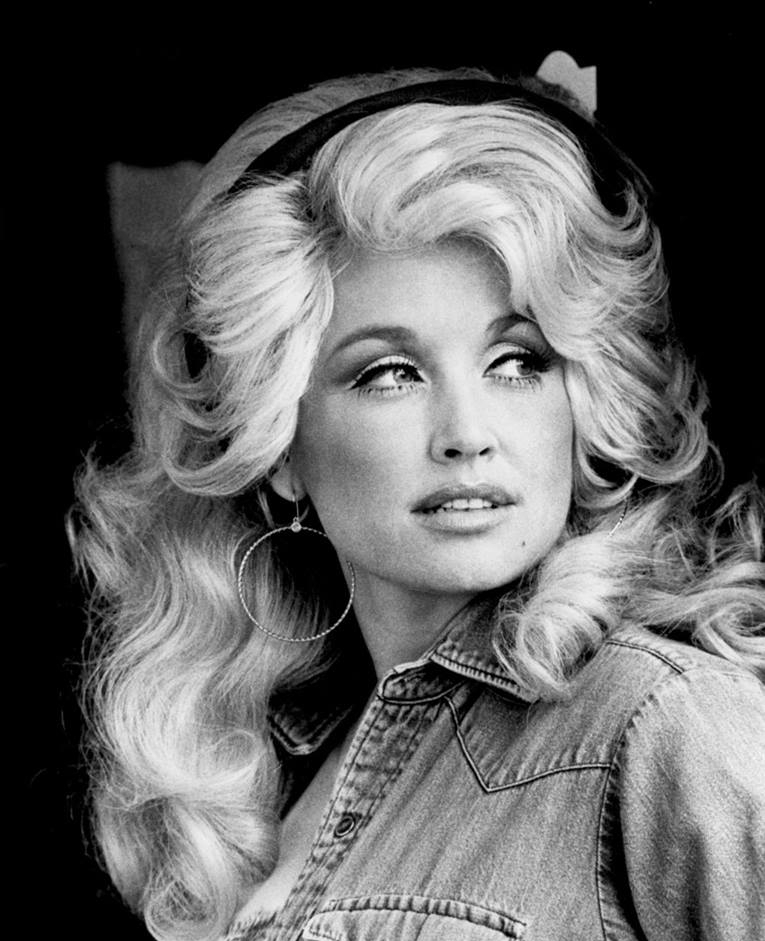
Dolly Parton’s music established her as one of the most important figures in American country music. Country music has historically been associated with rural and working-class audiences; it has served as the soundtrack to life on the road. Long journeys, separation from family, hard work, nostalgia, and the search for a better life are all part of an imagery to which truck drivers belong.
Although Dolly did not build her career specifically around truck drivers, many of her songs tell the stories of characters living through situations that fit within this world: people who leave home, families separated by circumstances, workers searching for opportunities, and people trying to escape poverty.
9 to 5: The Identity of the Working Person Through Dolly
Dolly Parton represents a popular and sentimental version of the American working class, with the truck driver standing as one of its most recognizable figures. Through her music and aesthetic, Dolly helped shape the imagery of the rural South, the working class, the open road, country music, and pride in local roots.
With 9 to 5, Parton does not present work simply as an everyday reality, but as a structure that organizes and limits the worker’s life. The song expresses frustration with a system in which workers give their time and effort but do not necessarily receive recognition, autonomy, or a proportionate reward in return.
There is a connection between her own story and the message of the song: the idea of working hard to move up in society without forgetting where you came from. Her story allows us to explore the same social imagery that gave rise to trucking culture; however, Dolly represented the working class as a whole. Despite her enormous success, she remained faithful to her roots, not only through her music but also through her aesthetic: denim, cowboy boots, and cowboy hats, turning Southern style into something glamorous and iconic.
.jpg)
Breaking Gender Barriers
Parton’s career broke through gender barriers. By also becoming an actress and television personality, she brought elements of country music and its aesthetic to national and international audiences. Hits such as 9 to 5 and Jolene reached audiences far beyond country music’s traditional fan base, demonstrating that her music could transcend all kinds of boundaries.
Her impact as a figure for women was profound and multifaceted. Her music, acting career, and philanthropic initiatives empowered women and challenged social norms. Through themes of independence, resilience, and the pursuit of one’s own dreams, her songs resonated—and will continue to resonate—with women across generations.
In this way, Parton became a role model not only for other artists but for women in general. Her success demonstrated that a woman could simultaneously be a songwriter, performer, producer, and entrepreneur within an industry historically dominated by men.
Dolly Parton’s Legacy
Parton helped make country music an integral part of American popular culture. Her image—from her accent and aesthetic to her songs, her connection to the South, and her humble beginnings—ultimately became a recognizable representation of certain aspects of American identity.
Her music incorporated elements of bluegrass, folk, and the musical traditions of the mountains of Tennessee, keeping the genre’s rural and popular roots alive even as country music became increasingly commercialized.
Dolly Parton did not simply build a career; she forged a legacy. Her story, her actions, her music, and her commitment to important causes are a clear example of how it is possible to make an intentional impact and demonstrate that generosity and influence can go hand in hand. Her legacy will continue to inspire and empower generations around the world.
Dolly Parton, rest in peace.
 Business hours: Monday to Friday from 8:00 AM to 5:00 PM. California time