 Llame al (888) 572-7520 para hablar con un agente
 Enviar mensaje a un agente

With fuel prices rising, driven by international conflicts, people in the United States have found it increasingly difficult to fill their tanks. The situation could continue for several weeks, so experts have offered recommendations to help drivers optimize fuel consumption through good driving habits and proper vehicle maintenance.
The national fuel price for the week ending March 23, according to the U.S. Energy Information Administration (EIA), recorded an increase of nearly $1.81, representing a 51% rise compared to the same period last year.
Given this context, the United States is facing a situation that calls for preventive measures. Therefore, based on information from CBS News and Consumer Reports, we present a series of recommendations aimed at consumers seeking to save money and optimize fuel efficiency in their vehicles.
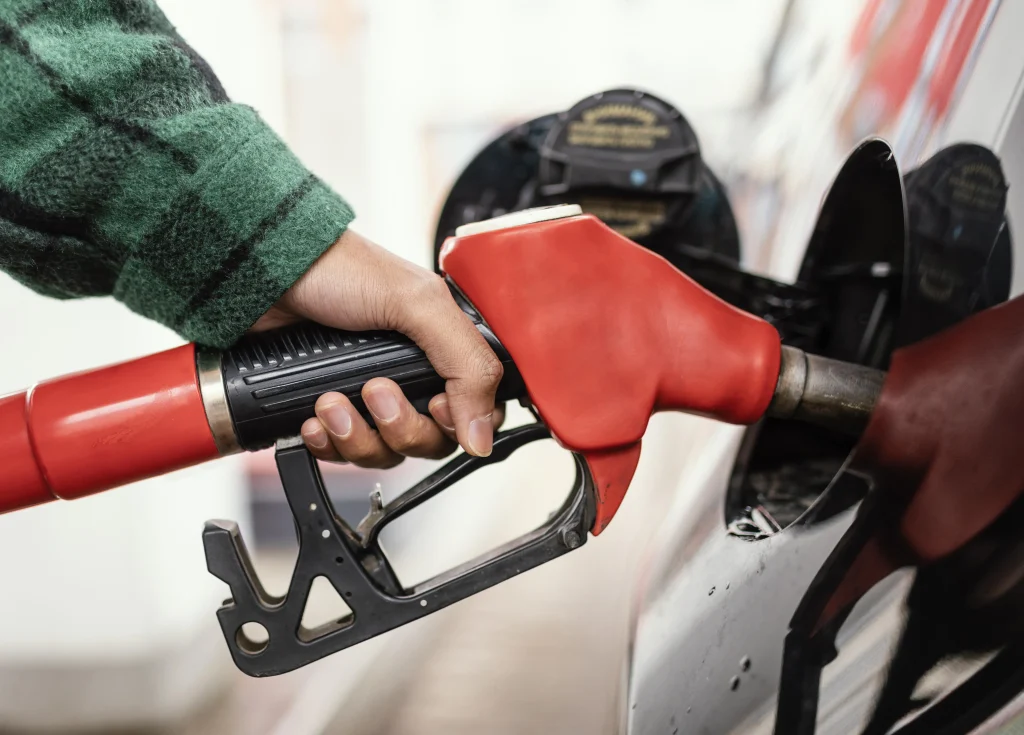
Tips to optimize fuel consumption
1. Reduce speed
When driving, respecting speed limits not only helps prevent accidents and fines, but also affects fuel consumption. Small adjustments, such as slowing down and driving smoothly, can make a difference.
According to the American Automobile Association, reducing highway speed by 5 to 10 mph can improve fuel efficiency by up to 14%. This is because fuel economy in most cars peaks at around 50 mph before it starts to decline.
CBS News recommends using cruise control, as this feature helps maintain a constant speed while driving.
2. Turn off the air conditioning
It is well known that using air conditioning consumes fuel. Therefore, when possible, it is better to avoid it. Lowering the windows in mild weather instead of using the AC can help gradually save fuel.
According to data from Consumer Reports, the additional fuel consumption from using air conditioning can range from 1 to 4 mpg, depending on the vehicle. Meanwhile, opening the windows at 65 mph shows no measurable impact.
3. Check tire pressure
Keeping tires properly inflated is one of the easiest ways to improve fuel efficiency. According to the U.S. Department of Energy, this can increase efficiency by about 3%, and up to 10% in some cases.
Underinflated tires create more rolling resistance, making driving harder and increasing fuel consumption.
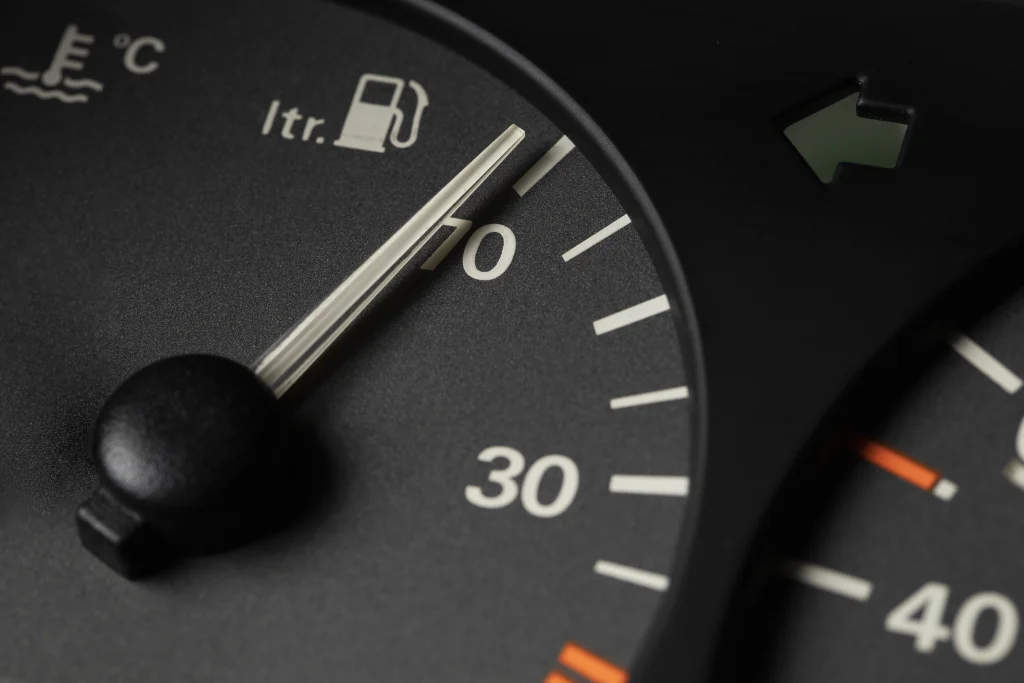
4. Keep the tank at least half full
Consumer Reports recommends keeping at least half a tank of fuel. This helps prevent issues in case of shortages or if traffic prevents you from reaching a nearby gas station, reducing the risk of running out of gas.
Additionally, maintaining an adequate fuel level is beneficial for the fuel pump’s lifespan and helps prevent condensation and sediment buildup.
5. Avoid sudden acceleration and braking
According to the U.S. Department of Energy, aggressive driving practices such as rapid acceleration and hard braking can reduce fuel efficiency by 15% to 30% at highway speeds, and by 10% to 40% in stop-and-go traffic.
CBS News experts also recommend letting the vehicle coast to a stop whenever possible.
 Business hours: Monday to Friday from 8:00 AM to 5:00 PM. California time