 Llame al (888) 572-7520 para hablar con un agente
 Enviar mensaje a un agente
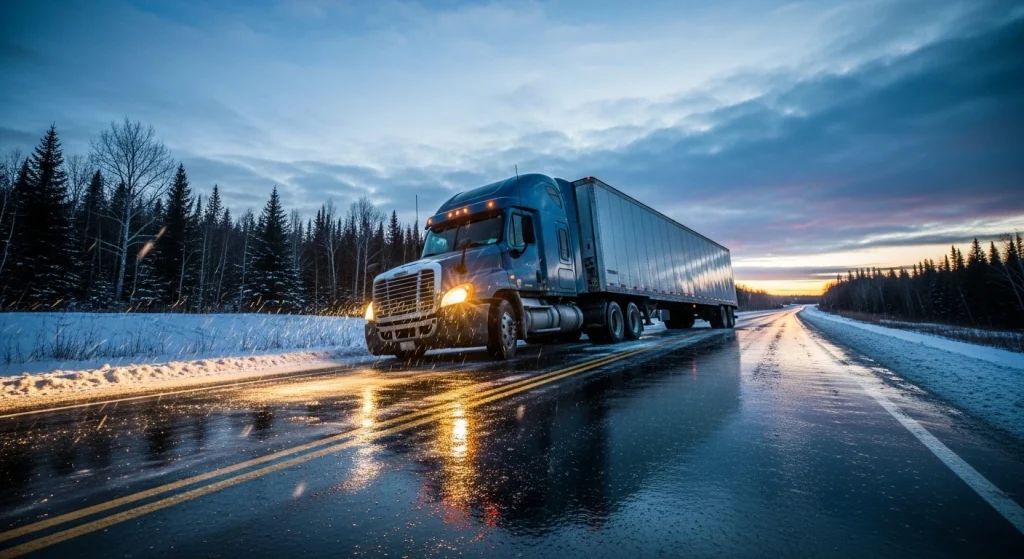

Frozen roads continue to disrupt freight transportation following the impact of a powerful bomb cyclone, leaving behind black ice, highway shutdowns, power outages, and dangerous winter driving conditions stretching from the Gulf Coast to New England.
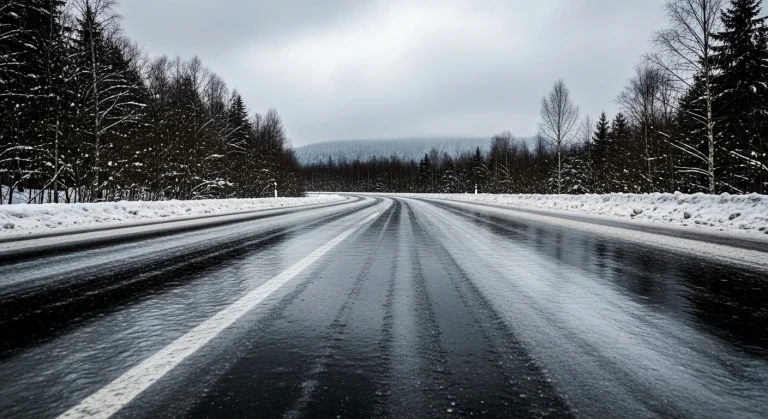
Frozen roads across the United States remain one of the biggest challenges for ground transportation after a bomb cyclone pushed extreme winter weather across a wide portion of the country. From the Gulf Coast to New England, ice, snow, and subfreezing temperatures have created a high-risk environment for drivers — especially for heavy-duty freight operations.
The storm system produced a dangerous mix of heavy snowfall, rain that later froze on pavement, and sharp temperature drops. The result is roadways that may appear clear but hide thin layers of black ice, one of the leading causes of crashes during extreme cold events.
Black Ice: The Biggest Threat to Trucks
Unlike visible snow, black ice is nearly invisible. It forms when moisture on the roadway freezes into a thin, transparent glaze, especially on bridges, overpasses, and shaded stretches of highway. For a fully loaded tractor-trailer, a sudden loss of traction in these conditions can lead to uncontrolled skids or the dreaded trailer jackknife.
Several states in the eastern and southeastern U.S. reported hundreds of crashes linked to slick pavement. Major interstate corridors experienced temporary closures after multi-vehicle pileups and stalled tractor-trailers blocked lanes, disrupting regional logistics and delaying deliveries.
Historic Snow and Paralyzed Highways
In parts of the Southeast, areas that rarely see winter storms recorded historic snowfall totals. Some cities experienced one of their largest snow events in recent history, pushing road crews to their limits as they worked to clear highways and main routes. Traffic flow collapsed under the weight of ice, snow, and high vehicle volumes, with thousands of incidents reported in a matter of hours.
Interstates, which typically receive priority treatment, managed to remain open in many areas, but travel advisories warned of slick surfaces and reduced visibility. Conditions were even more difficult on secondary roads and freight access routes serving warehouses, ports, and distribution centers.
Wind, Visibility, and Risks for Light Loads
The bomb cyclone delivered more than snow. Strong wind gusts reduced visibility and created an additional hazard for trucks hauling empty trailers or light loads, which are more vulnerable to instability. In open areas and on elevated roadways, crosswinds became a serious concern, increasing the risk of rollovers or lane departures.
Power Infrastructure and Logistics Under Strain
Ice storms tied to the system damaged power lines in multiple states. Thousands of homes and businesses lost electricity, and while repairs are underway, scattered outages continue. These disruptions indirectly affect transportation: closed fuel stations, dark traffic signals, and distribution centers operating on generators or limited capacity all add friction to supply chains.
Extreme Cold Reaches Florida
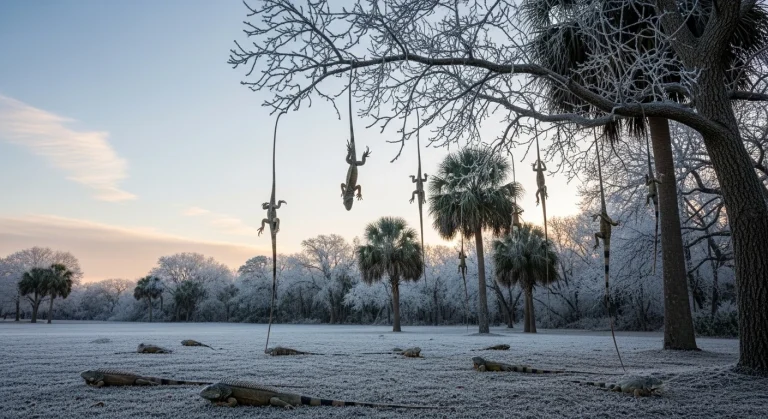
One of the most striking aspects of the event has been how far south the Arctic air extended. Florida experienced unusually low temperatures, with reports of iguanas falling from trees after becoming temporarily immobilized by the cold. While many recover once temperatures rise, the phenomenon highlights how deep the cold air mass pushed into regions not typically associated with winter hazards.
Supply Chain Impact
The combination of frozen roads, crashes, partial closures, and power outages has placed significant stress on the national supply chain. Transit times are increasing, delivery windows are tightening, and freight carriers are being forced to reroute shipments in real time.
For professional drivers, the physical and mental strain is also growing. Hours of tense driving on slick pavement demand constant focus and increase fatigue levels, raising the importance of defensive driving and careful trip planning.
Safety Precautions for Truck Drivers on Frozen Roads
- Reduce speed even if the roadway looks clear.
- Increase following distance to allow extra braking room.
- Avoid sudden steering or braking movements.
- Use extra caution on bridges and overpasses, where ice forms first.
- Accelerate and brake gently to maintain traction.
- Inspect tires and brakes before starting the trip.
- Stay informed about closures and road conditions in real time.
- Plan safe stopping points in case of extended delays.
- Carry emergency supplies in the cab, including warm clothing, water, and food.
- Watch for strong crosswinds, especially with empty or lightly loaded trailers.
 Business hours: Monday to Friday from 8:00 AM to 5:00 PM. California time