Health on wheels matters for anyone who spends long hours on the road. How to prevent the most common physical and mental conditions and maintain healthier routines while working behind the wheel.
Spending hours—and often days—behind the wheel does more than define life on the road. It also shapes physical and mental well-being. Long workdays, extended sitting, irregular meals, constant pressure, and limited rest are part of a routine that, over time, can lead to a wide range of health issues.
In the United States, federal data and industry reports consistently show that people who work long hours on the road experience higher rates of chronic conditions than many other occupations. These problems do not appear overnight. They develop gradually, as a result of repeated habits and the specific demands of long-haul transportation. Understanding these risks—and how to reduce them—is essential for staying healthy and productive over the long term.
Cardiovascular Health and Blood Pressure
Heart-related conditions and high blood pressure are among the most common health concerns associated with long hours on the road. Prolonged sitting, ongoing stress from traffic and tight schedules, and diets high in sodium all contribute to hypertension and other cardiovascular problems.
High blood pressure often develops without noticeable symptoms, which can delay detection. Over time, it may reduce energy levels, affect focus, and increase the risk of serious medical events while driving.
Prevention tips
Monitor blood pressure regularly
Reduce reliance on energy drinks and stimulants
Stay well hydrated throughout the day
Walk for a few minutes during stops to support circulation
Overweight Diabetes and Metabolic Conditions
Limited access to balanced meals and unpredictable schedules make weight gain and metabolic disorders more likely. On the road, convenience foods are often highly processed and high in sugar and fat.
Poorly managed diabetes can lead to fatigue, vision changes, and reduced concentration, all of which directly affect safety and daily performance.
Prevention tips
Keep simple, nutritious foods on hand
Avoid constant snacking while driving
Choose water instead of sweetened beverages
Try to maintain consistent meal times
Musculoskeletal Pain and Joint Strain
Lower back pain, neck stiffness, and discomfort in the shoulders and knees are common complaints associated with long periods of sitting. Vehicle vibration, limited movement, and poor posture place continuous strain on muscles and joints.
These issues affect more than comfort. Chronic pain can reduce alertness, slow reaction time, and increase overall fatigue.
Prevention tips
Adjust the seat, backrest, and steering wheel properly
Use lumbar support when needed
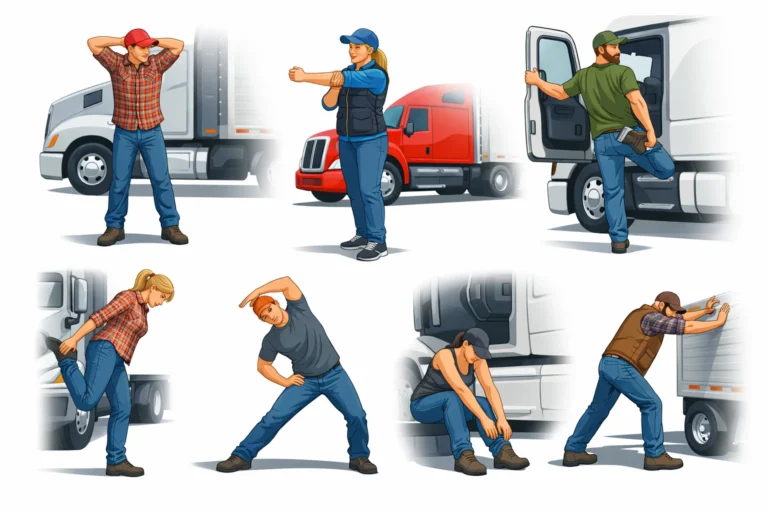
Perform basic stretches at every stop
Incorporate strength and mobility exercises off duty

Sleep Issues and Ongoing Fatigue
Poor sleep quality is one of the most widespread challenges of life on the road. Irregular schedules, nighttime driving, and resting in the cab can disrupt natural sleep patterns.
Sleep apnea is especially common and often goes undiagnosed. It causes interrupted sleep, daytime drowsiness, and reduced attention, increasing the risk of incidents on the road.
Prevention tips
Protect rest periods and treat sleep as a priority
Avoid heavy meals and caffeine before resting
Seek medical evaluation for loud snoring or persistent fatigue
Follow treatment plans consistently when diagnosed
Mental Well-Being Stress and Isolation
Extended time away from home and long hours alone can take a toll on mental well-being. Schedule pressure, traffic congestion, and limited social interaction often lead to accumulated stress, anxiety, and burnout.
Mental health plays a direct role in focus, decision-making, and overall performance.
Prevention tips
Stay connected with family and friends
Step outside the cab during breaks whenever possible
Practice simple relaxation or breathing techniques
Seek professional support when stress becomes overwhelming

Prevention as Part of the Job
Health on wheels is not just a personal concern. It directly affects safety, consistency, and long-term sustainability on the road. Preventive habits help reduce risk, improve focus, and support longer, healthier careers.
Staying healthy does not require drastic changes. Small, consistent choices—moving more, eating better, resting properly, and paying attention to warning signs—make a measurable difference over time.
Remaining healthy while spending long hours behind the wheel is achievable. The key is recognizing that health is not separate from the job—it is part of it.

California’s Unhealthy Air: Impacts on Trucking and Freight
Unhealthy Air Quality in California: What Repeated Pollution Alerts Mean for Trucking and Freight Operations

Global Road Freight on Track to Hit USD 5 Trillion by 2033
Global Road Freight on Track to Hit USD 5 Trillion by 2033 as e-commerce growth, supply chain restructuring, and technology adoption accelerate demand for road-based cargo transport worldwide.

California misses DOT deadline risking $160 million in federal funding
The state of California has reached the deadline set by the DOT to take action regarding the situation involving the number of non-domiciled CDLs issued

Health on Wheels: How to Prevent the Most Common Conditions on the Road
Health on wheels matters for anyone who spends long hours on the road. How to prevent the most common physical and mental conditions and maintain healthier routines while working behind the wheel.

More Roadside Controls in 2026: What Truckers Need to Know
The U.S. trucking industry will face More Roadside Controls in 2026, with tighter inspections, data-driven enforcement, and stricter oversight of hours of service, licensing, and vehicle maintenance—what truckers need to know to stay compliant.

$118M in FMCSA Grants Boost Road Safety, Truck Enforcement, and Driver Training
More than $118 million in FMCSA grants will be distributed nationwide to improve road safety, commercial vehicle enforcement, CDL integrity, and truck driver training, with a strong focus on data-driven oversight and veterans entering the trucking workforce.