A powerful polar vortex could make the Northeast the coldest place on Earth, bringing life-threatening cold just days before Christmas.
The winter season is arriving early — and with unprecedented force. Meteorologists across the United States warn that an exceptionally strong polar vortex could turn the Northeast into the coldest place on the planet right before Christmas, marking one of the most extreme cold-weather events in recent memory.
For millions of families preparing to travel, shop, and celebrate, and for the massive transportation network that keeps the holiday season moving, this forecast represents a historic challenge.
A Polar Vortex Dropping Straight From the Arctic
New weather models show an unusual tilt in the stratospheric circulation, allowing brutally cold Arctic air to surge south from Canada directly into the East Coast corridor. Judah Cohen, a climate specialist at MIT, warned that what the country experienced in early December was only “a preview” of what’s expected by mid-month.
According to Cohen’s analysis, “the largest and most probable region of extreme cold anywhere on Earth extends from the Canadian Prairies to the U.S. East Coast during the third week of December.”
This includes some of the nation’s most densely populated states: New York, Pennsylvania, Massachusetts, and the whole of New England.
In short: for several days, the Northeast may be colder than the Arctic itself.
What Temperatures to Expect: Dangerous Wind Chills Ahead
While forecasters are still refining exact numbers, projections already outline a harsh and potentially hazardous scenario:
Illinois, Missouri, and parts of the Midwest: highs between 10°F and 25°F, with lows near 0°F.
Montana, North Dakota, South Dakota, Minnesota, Wisconsin: widespread subzero temperatures, with Monday likely becoming the coldest day of the outbreak.
Northern Montana: wind chills between –20°F and –30°F due to strong Arctic gusts.
Chicago, Milwaukee, Des Moines: single-digit highs, with many areas staying below freezing all week.
Overall, more than 235 million Americans could experience below-freezing temperatures at some point — a staggering number covering nearly the entire country from the Rockies to New England.

Storms, Snow, and Travel Disruptions
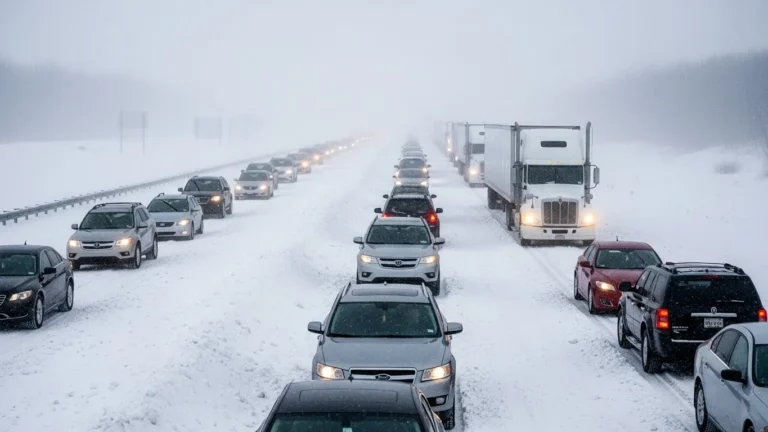
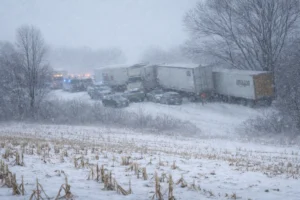
This Arctic blast arrives just as the winter season officially begins, and its effects are already disrupting daily life. Late-November snowstorms across the Midwest snarled highways, delayed flights, and forced school closures — a reminder that extreme cold affects far more than thermometers.
Now the Northeast braces for its first major winter storm, with a low-pressure system pushing from Pennsylvania toward Maine. According to Fox Weather forecasts:
Some areas of New York and New England could see up to 8 inches of rain.
Parts of New York, New Hampshire, and Vermont may accumulate nearly 12 inches of snow.
Coastal cities — New York, Boston, Philadelphia — will likely avoid heavy snow totals but face dawn snow showers, freezing rain, and strong winds throughout the day, affecting both flights and road travel.
The storm should move out early Wednesday, but the coldest air mass on the planet will settle over the entire East Coast immediately afterward.
Will There Be More Storms? Still Uncertain
The big question for meteorologists, state agencies, and the logistics sector is whether this polar vortex phase will trigger additional winter storms.
If new systems develop, the combination of extreme cold + fresh snow + potential ice could create a critical situation for interstate corridors, congested airports, and supply chains already under maximum pressure before Christmas.
Experts say that while nothing is confirmed yet, this type of pattern “often produces at least one additional snow or wintry-mix event in the Northeast.”
A Record-Cold Christmas and Overstretched Transportation Networks
The timing could not be worse. Christmas is the most traveled and commercially active week of the year in the United States. Families hit the road to visit loved ones, malls operate at full capacity, and millions of packages move across the national highway system.
This polar vortex will not just be a meteorological headline — it will reshape routines, schedules, energy demand, and logistics across the country.
Truck Drivers Face the Harshest Conditions
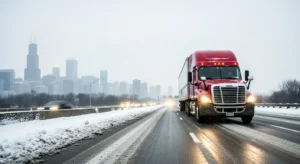
The holiday week is the peak delivery period for freight, and the polar vortex is expected to turn many Northeast routes into icy, low-visibility, high-risk corridors.
👉 Essential Safety Tip for Drivers
Always check brakes, tires, and the heating/defrost system before departure — and plan an alternate route even if you don’t think you’ll need it.
Roads may close without warning due to ice, accidents, or Arctic wind bursts. Driving slower, maintaining a wide buffer, and checking weather updates every few hours can be the difference between a safe delivery and an unnecessary hazard.

TCA Professional Drivers of the Year 2026: 5 drivers who paved the road
TCA Professional Drivers of the Year selects drivers with the greatest impact, outstanding safety records, and individuals with inspiring stories that made a difference.

Unusual Stories from the Road: When Reality Outruns Logistics
From a giant magnet moving down the highway like a spacecraft to millions of bees taking over a highway, the world of freight transportation is full of events that are as strange as they are real. Some of these stories went viral, others became legends among drivers, but all of them reveal the unexpected side of logistics.

The safest, most reliable and crash-resistant cars for protecting you on the road
Based on ratings from the NHTSA and the IIHS evaluation system, this list shows some of the safest and most crash-resistant cars.

U.S. greenlights electric flying taxi tests across 26 states
The Department of Transportation announced the selection of eight electric air taxi proposals aimed at accelerating and integrating electric aerial vehicles in the U.S.

Immigrant Drivers: How the “Second Wave” of Road Checks Will Be
A firm and more sophisticated surveillance targets thousands of drivers. The cancellation of licenses and operations on highways challenge the transport sector and reduce the labor supply. A guide to not get left behind.

Florida SB 86 Proposes $50,000 Fines for Trucking Companies
Florida SB 86 would introduce heavy financial penalties, truck seizures and potential operational restrictions for carriers. Industry analysts warn it could affect driver availability and freight costs across the state.