 Hable con un agente al (888) 572-7520
  Enviar mensaje a un agente

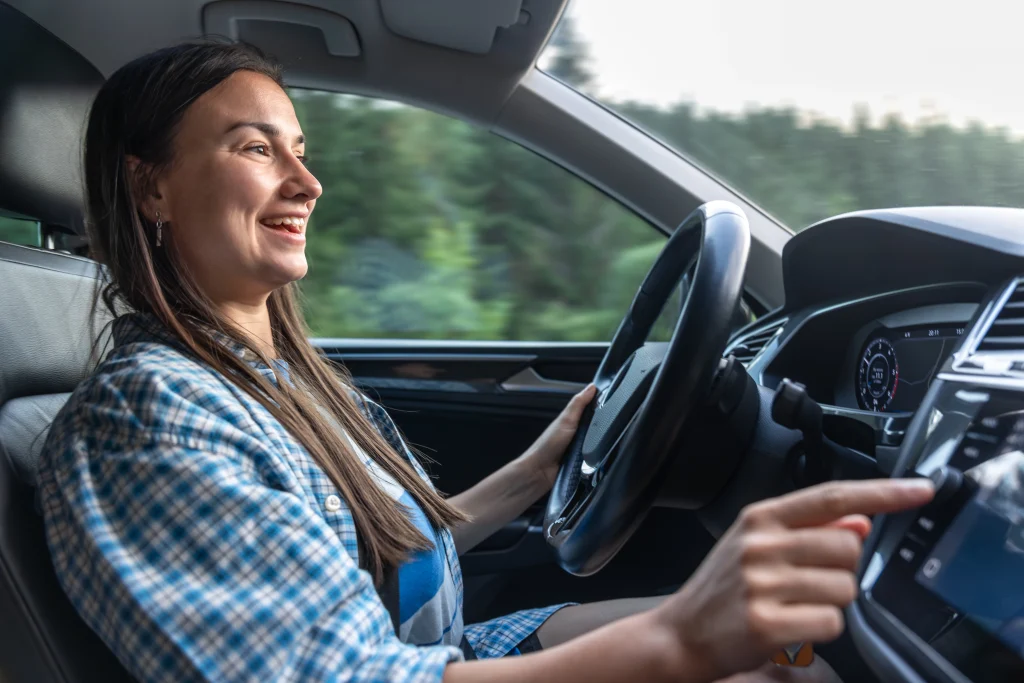

Music is a remedy for the soul, but did you know it can also be dangerous while driving? Driving along to your favorite song can be just as liberating as it is dangerous—the difference lies in each song’s BPM. A recent analysis by the law firm Trujillo González examined 30 Spotify playlists created for road trips and driving. The firm selected the 50 songs that appeared most frequently and ranked them according to their tempo.
In music, BPM stands for “beats per minute,” a numerical measurement of tempo. For example, 120 BPM means there are 120 beats in one minute, or two beats per second. Music above 120 BPM has been associated with faster driving and reduced attention to the surrounding environment, increasing the risk of making mistakes behind the wheel.
Although certain genres, such as metal and electronic dance music, are associated with more aggressive and distracted driving, an emotional song can also distract us while driving.

The Most Dangerous Songs to Drive to
According to Trujillo González’s research, these are the five most dangerous songs among the 50 analyzed:
- “Shape of You” by Ed Sheeran — 192 BPM
- “Wonderwall” by Oasis — 173 BPM
- “STAY” by The Kid LAROI and Justin Bieber — 169 BPM
- “Rebel Yell” by Billy Idol — 166 BPM
- “One Way or Another” by Blondie — 162 BPM
The song that ranks first appeared on 24 of the 30 playlists analyzed and has accumulated more than five billion streams on Spotify. Although Ed Sheeran isn’t exactly the artist you would expect to find at the top of the list, “Shape of You” has a tempo of 192 BPM, which is considerably fast and may lead to reactions such as speeding up the vehicle or becoming distracted while singing along.
The rest of the top 10 included “Happy” by Pharrell Williams, “Hey Ya!” by Outkast, “Don’t Stop Me Now” by Queen, “Mr. Brightside” by The Killers, and “Locked Out of Heaven” by Bruno Mars. “Happy” scored 95% for danceability, while Bruno Mars reached 92% and Outkast 91%.
The list did not analyze every song, but only the 50 most common tracks found on road-trip playlists. Because of this, some of the results may be somewhat surprising.
If we associate driving risk with BPM, the most dangerous song would then be “Thousand” by Moby, which reaches a peak of approximately 1,015 BPM and holds the Guinness World Record for the fastest tempo in a commercially released song. It is certainly a song you might think twice about adding to your driving playlist.
Safe Driving at the Right Tempo
Behind this analysis, there is a physiological reason why fast-paced music may change the way people drive. According to data cited by the attorney, the autonomic nervous system—which controls heart rate and stress responses—as well as rhythmic entrainment, in which behavior can synchronize with a beat, play a key role in the body’s reactions. For this reason, the firm identifies 60 to 100 BPM as the safest range for driving.
All of this does not mean you should stop listening to these songs while driving. The list was created to encourage drivers to remain aware of their actions behind the wheel, particularly when listening to music with a fast tempo. The next time you hear “Shape of You” or “Mr. Brightside,” take a look at the speedometer. Is the theory right?
 Business hours: Monday to Friday from 8:00 AM to 5:00 PM. California time