Llame al (888) 572-7520 para hablar con un agente

From the frozen highways of Russia to the scorching deserts of Australia — and across the vast interstates of the United States — these are the longest truck routes completed by a single vehicle, and the human endurance behind them.

While global commerce increasingly depends on container ships and air freight, a vital part of the world economy still moves by truck — one kilometer at a time. In countries like the United States, Canada, Russia, and Australia, there are overland freight routes that stretch more than 4,000, 5,000, or even 6,000 kilometers. Incredibly, many of these journeys are completed by a single truck and trailer, from origin to destination, without any change of vehicle.

Behind every such journey is a truck driver navigating isolation, fatigue, weather extremes, and the relentless rhythm of the road. These trips are a test of logistics and human stamina alike.

The Longest Non-Stop Truck Routes by Country

Here are some of the longest overland freight journeys completed regularly by a single truck:

  • Halifax to Vancouver (Canada): 6,000 km across the Trans-Canada Highway.

  • Moscow to Yakutsk (Russia): Over 5,000 km, including frozen roads and harsh Siberian conditions.

  • New York to Los Angeles (USA): 4,500 km along I-80 or I-40, coast to coast.

  • Perth to Darwin (Australia): 4,000 km in road trains — the world’s longest truck combinations.

  • Melbourne to Darwin (Australia): ~3,750 km through desert terrain.

  • São Paulo to Recife (Brazil): ~2,700 km of nonstop tropical highway.

These journeys are not multimodal. They are not broken up by train, boat, or additional trucks. It’s one truck, one trailer, and often one driver — through mountains, deserts, ice roads, or rainforests.

Life in the Sleeper Cab

For these drivers, the truck becomes their entire world: bedroom, office, kitchen, and shelter.

Most long-haul trucks come with a sleeper cab, equipped with:

  • A single or double bed,

  • Storage for clothes and food,

  • A mini fridge and microwave,

  • Heating and cooling systems.

Yet the comfort depends on the model — and the company. Many drivers sleep in parking lots, fuel stations, or isolated roadside areas, often without restroom access or security.

“You sleep with one eye open,” says Marcos, a South American driver who completed the Mendoza–Recife route in four days. “If there’s no toilet, you improvise. This life is not for everyone.”

Waiting, Border Checks, and Weather Hell

Besides the kilometers on the odometer, truckers spend endless hours waiting:

  • In line at toll booths or customs.

  • At warehouses where loading or unloading can take a full day.

  • Stuck in snow, sand, or rain with no one nearby for hundreds of kilometers.

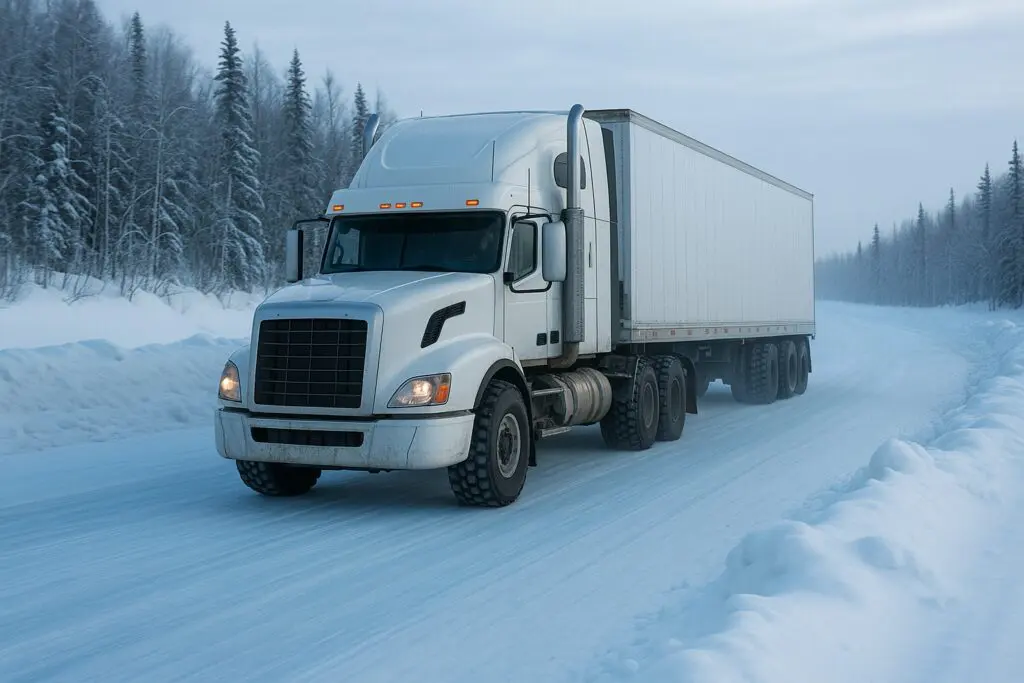
In Russia, drivers face ice roads that are only accessible in winter — and require special tires and heated engines to survive temperatures below -40°C.

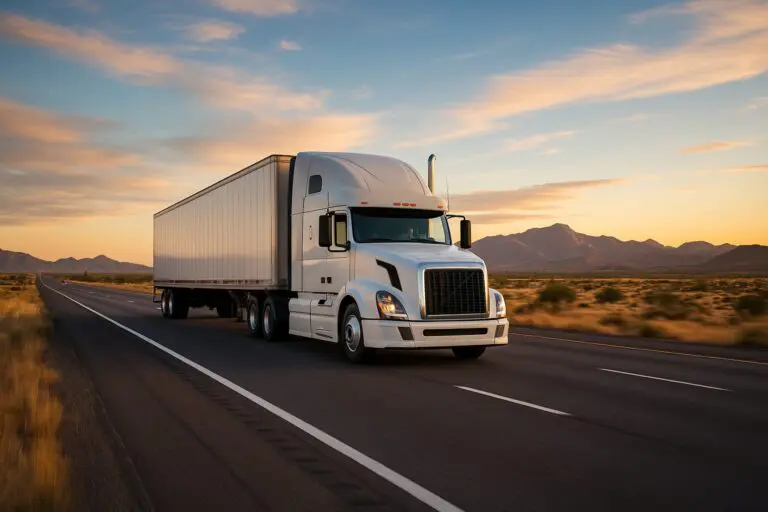
In Australia, long stretches have no fuel or repair services for hundreds of kilometers. Desert heat can hit 45°C in summer.

Is It Worth It?

For some, yes. In countries like Canada and Australia, experienced long-haul drivers can earn over $100,000 USD per year, especially on the most demanding routes.

But the cost is high:

  • 14-hour driving days,

  • Weeks away from family,

  • Higher risks of obesity, fatigue, and mental health issues.

Studies in the U.S. and EU confirm: truckers suffer disproportionately from sleep disorders and loneliness.

A Job of Sacrifice and Pride

Still, many say it’s worth it. “To see the sunrise from your windshield, to cross three states in one day — it’s a freedom no office job gives you,” says James, a veteran U.S. driver who makes the New York–L.A. run several times a month.

Despite the rise of autonomous trucks, the beating heart of global logistics still rides in the cab of a diesel-powered truck, guided by men and women who sleep in parking lots, eat on the go, and keep the economy moving — no matter the distance.

Facebook
Twitter
LinkedIn
Agry Eyes

A guide to “angry eyes” rules every driver should know

The recent wave of traffic stops in Wisconsin and California for trucks using green LED “angry eyes” lights has reignited a national debate: what modifications are allowed, and which ones are strictly prohibited, under U.S. trucking regulations? This angry eyes crackdown highlights a growing issue in the industry—confusion about what is actually legal on the road.

Read More »

ATRI Warns: Litigation Is Rising Across the U.S. Trucking Industry

A new report from the American Transportation Research Institute (ATRI) reveals how escalating litigation, higher legal costs, and mounting insurance pressures are reshaping the U.S. trucking industry. The findings mark a critical moment for motor carriers, insurers, and logistics stakeholders who must understand the changing legal environment — and the increasingly strategic role of strong insurance partnerships.

Read More »

Leave a Reply

Your email address will not be published. Required fields are marked *

Business hours: Monday to Friday from 8:00 AM to 5:00 PM. California time
Leave your number and a member of our company will contact you
Horario de atención: Lunes a viernes de 8.00 AM a 5.00 PM. Hora california

Deje su número y un miembro de nuestra empresa se pondrá en contacto con usted

Privacy summary

This website uses cookies so that we can offer you the best possible user experience. Cookie information is stored in your browser and performs functions such as recognizing you when you return to our website or helping our team understand which sections of the website you find most interesting and useful.

More information about the privacy policy: Privacy Policy

More information about the terms of use: Terms of use 

More information about the disclaimer: Disclaimer 

More information on acceptable use policies: Acceptable Use Policies