 Hable con un agente al (888) 572-7520
  Enviar mensaje a un agente

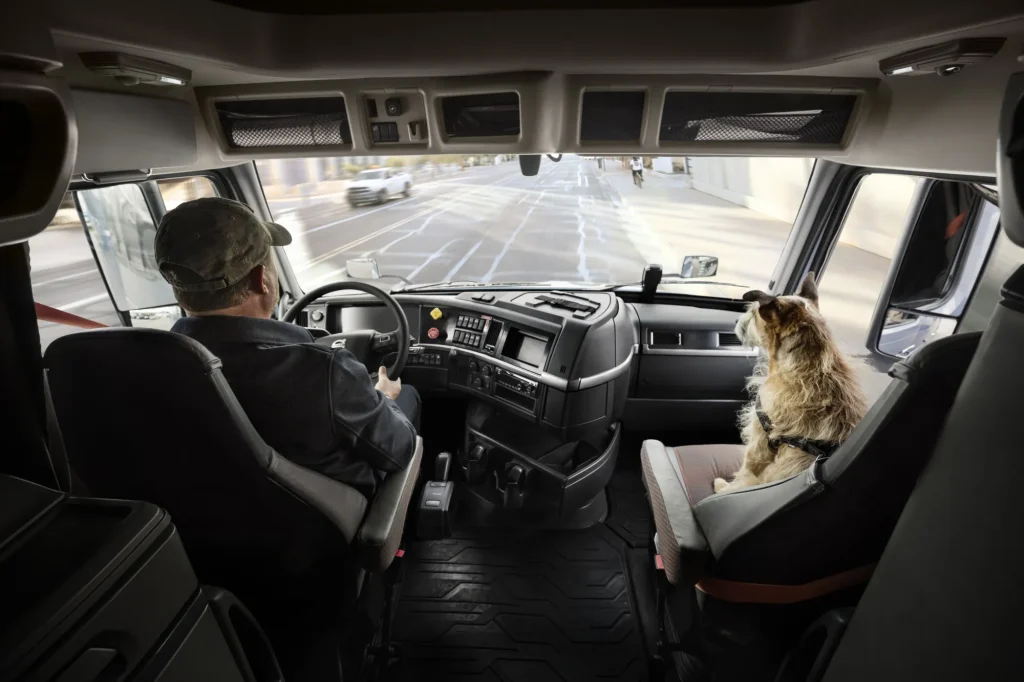

Volvo Trucks North America (VTNA), together with the Center for Pet Safety (CPS), published a safety guide with recommendations for truck drivers who travel with their pets in truck cabs. The guide covers topics ranging from proper restraint and emergency preparedness to hotel rest recommendations, first aid, and crash prevention.
More than 60% of commercial truck drivers have pets, and nearly 40% take them along when they travel. VTNA developed the guide with these drivers in mind, both those traveling with their pets for the first time and experienced pet owners. Safety is paramount, even for four-legged co-pilots.
The guide’s recommendations are based on an evaluation conducted late last year at Volvo’s Customer Center in Dublin, Virginia. During the evaluation, experts from the Center for Pet Safety examined the Volvo VNL from a pet-safety perspective, including its anchor points, restraint options, and temperature control systems.
Because pet travel products are not required to undergo crash testing, the Center for Pet Safety developed the first independent safety standards after evaluating hundreds of products. With dogs secured in CPS-approved harnesses and carriers on a test track to assess the performance of these systems under real-world driving conditions, the joint evaluation with VTNA examined:
- Interior design and secure restraint options
- Climate-control systems, including the Volvo Parking Cooler
- Connected app technology that allows drivers to remotely monitor and adjust cab temperature
- Safe placement areas for crates, carriers, and harnesses
Extreme temperatures, sudden braking, and improperly secured equipment can put pets at risk, the CPS noted. The collaboration highlights Volvo’s engineering combined with the center’s rigorous safety protocols, with the goal of mitigating risks and saving lives.
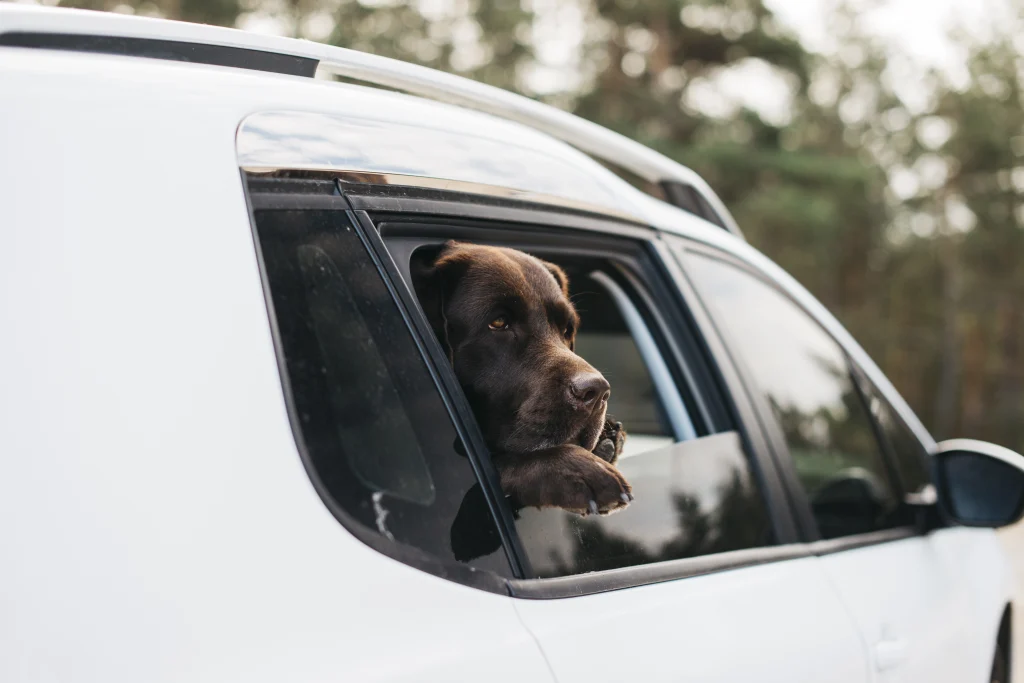
Safe Travels with Your Pet: A Guide from VTNA and the Center for Pet Safety
For truck drivers who travel with pets, the guide provides a practical framework for addressing an aspect of cab safety that is often overlooked. Proper use of restraint systems and emergency preparedness can help drivers better protect their animals without complicating their daily routines.
“Volvo Trucks North America and the Center for Pet Safety have joined forces to support drivers and their four-legged co-pilots on the road. This quick guide offers simple, science-based tips to help you travel safely, comfortably, and confidently with your pet, no matter where the journey takes you,” the guide states.
The guide offers:
- Recommendations on restraint systems and cab configurations
- Tips for planning rest stops
- Guidance on pet-friendly rest areas
- Information on heat safety and environmental risks
With this guide, Volvo Trucks and the Center for Pet Safety demonstrate that when engineering excellence comes together with science-based advocacy, the result is safer roads, better-informed drivers, and greater confidence within the community, the CPS stated.
The complete guide can be found here.
 Business hours: Monday to Friday from 8:00 AM to 5:00 PM. California time