Llame al (888) 572-7520 para hablar con un agente

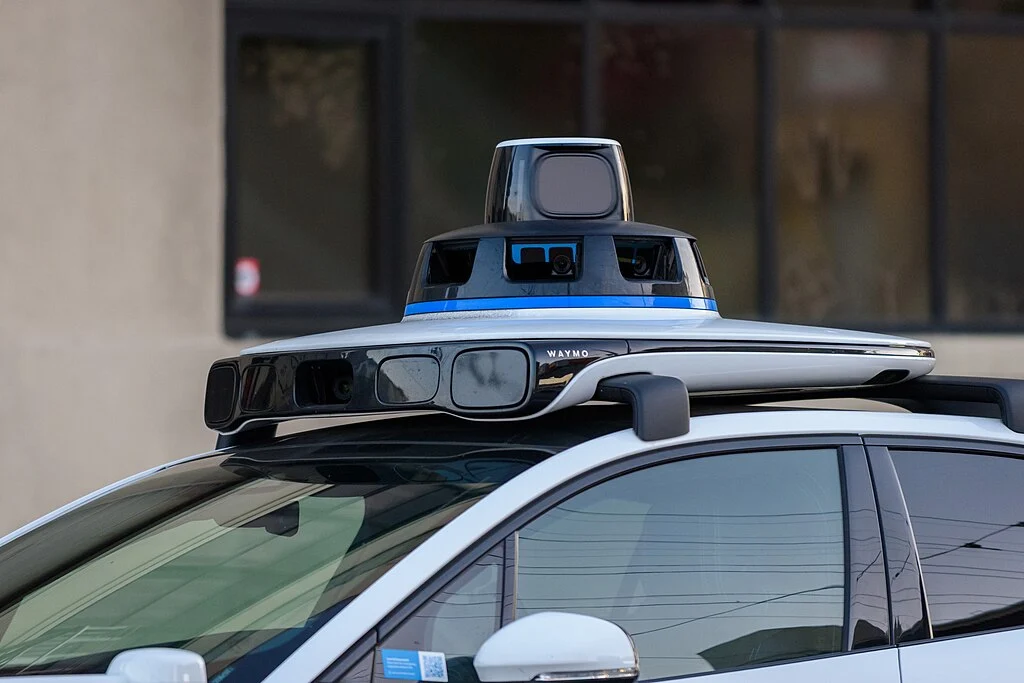
A recent wave of videos has shown that some Waymo vehicles are not complying with safety regulations in school zones.

The autonomous vehicle company Waymo, formerly known as Google’s Self-Driving Car Project, experienced remarkable growth in recent years. With the introduction of self-driving vehicles in cities such as Las Vegas and Austin, Waymo established itself as one of the most prominent companies in the autonomous sector. However, its popularity appears to have waned following recent incidents involving its automated vehicles.

Accidents caused by vehicles failing to comply with traffic laws, especially those related to school buses, have raised concerns within the transportation industry, placing Waymo at the center of the debate.

Waymo bajo investigación por posible riesgo de seguridad en áreas escolares
Image: 9yz, CC BY 4.0, via Wikimedia Commons

The rise and possible decline of Waymo

Waymo began expanding in major cities through its automated ride services. However, a recent wave of videos has shown that some of its vehicles are not adhering to safety rules in school zones. One of the videos, recorded in September, shows a Waymo vehicle illegally passing a school bus in Atlanta. In addition, the Austin Independent School District (Texas) has documented 19 incidents in which the company’s vehicles violated school bus–related traffic regulations.

According to Austin school district officials, Waymo vehicles commit an average of one and a half infractions per week. In a letter dated November 5, Waymo stated it was implementing software updates to address the issue. However, since then, five of the 19 reported infractions have occurred.

After several exchanges between Waymo and the Austin Independent School District, and due to the persistence of the violations, the district demanded on November 20 that the company halt the operation of its automated vehicles from 5:20 a.m. to 9:30 a.m., and from 3 p.m. to 7 p.m., the peak school traffic hours.

The dispute escalated when the school district announced it was evaluating possible legal actions to ensure safety in school areas. In response, Waymo issued a voluntary software recall in early December.

Waymo under investigation for potential safety risk in school zones
Image: Daniel Ramirez from Honolulu, USA, CC BY 2.0, via Wikimedia Commons

Waymo under NHTSA investigation

Although Waymo announced the recall voluntarily, the National Highway Traffic Safety Administration (NHTSA) opened an investigation on October 17 after receiving reports that a Waymo autonomous vehicle had driven around a stopped school bus.

The NHTSA investigation aims to assess the performance of Waymo’s ADS around stopped school buses, whether it is designed to comply with school bus safety laws, and its ability to follow those laws.

“The likelihood that other similar incidents have occurred previously is high,” the NHTSA wrote. The agency will continue the investigation to determine the scope of this incident and any others like it.

Facebook
Twitter
LinkedIn
WhatsApp

Transportation Seeks Proposals to Rebuild the American Legion Memorial Bridge

Transportation seeks proposals to rebuild the American Legion Memorial Bridge, repeating the call for proposals to address the most critical freight chokepoint on the East Coast. The initiative aims to attract ideas, financing models, and private-sector innovation to modernize a corridor that today imposes millions in delays on the trucking industry.

Read More »

Leave a Reply

Your email address will not be published. Required fields are marked *

Business hours: Monday to Friday from 8:00 AM to 5:00 PM. California time
Leave your number and a member of our company will contact you
Horario de atención: Lunes a viernes de 8.00 AM a 5.00 PM. Hora california

Deje su número y un miembro de nuestra empresa se pondrá en contacto con usted

Privacy summary

This website uses cookies so that we can offer you the best possible user experience. Cookie information is stored in your browser and performs functions such as recognizing you when you return to our website or helping our team understand which sections of the website you find most interesting and useful.

More information about the privacy policy: Privacy Policy

More information about the terms of use: Terms of use 

More information about the disclaimer: Disclaimer 

More information on acceptable use policies: Acceptable Use Policies