 Hable con un agente al (888) 572-7520
  Enviar mensaje a un agente

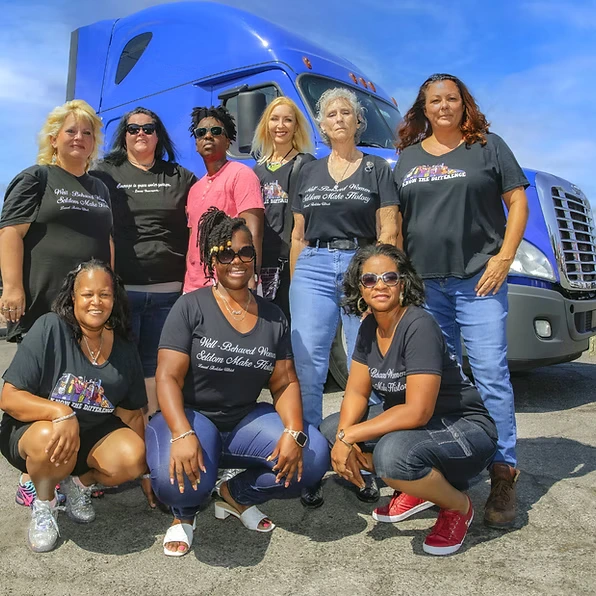

Women truck drivers are still a minority on U.S. roads, but their presence is becoming increasingly visible. Estimates vary depending on which segments of commercial transportation are included: different measurements place women at roughly 6% to 9.5% of commercial drivers, while their share among Class A CDL drivers operating heavy trucks in long-haul transportation is considerably smaller.
Behind those percentages are women with decades of experience, a new generation finding career opportunities in trucking, owner-operators running their own businesses, instructors training other drivers, and women who have attracted millions of social media followers by showing what life behind the wheel is really like.
One of the best-known is Clarissa Rankin, a North Carolina truck driver who has turned her everyday work on the road into content followed by millions of people.
Rankin had not originally planned to become a truck driver. As she told the Charlotte Observer, she initially intended to work as a freight broker when she and her husband began planning their own transportation business. She decided to get her CDL to better understand the business and ultimately discovered that she preferred being behind the wheel.
Her truck, nicknamed “Sparkle,” later became part of her public identity. Rankin began sharing inspections, maneuvers, trips, and scenes from her workday, bringing a still underrepresented image in trucking to a massive audience: a woman operating a heavy-duty truck.
Sharae Moore: From Truck Driver to Community Builder
Another important name is Sharae Moore. Moore began driving professionally in 2014 and, while traveling through terminals and truck stops, noticed there were relatively few women and even fewer networks and resources specifically designed for them.
In 2016, she created S.H.E. Trucking, short for Sisterhood Helping Empowerment in Trucking. The project started as an apparel line for women truck drivers but soon grew into something much larger.
Questions from other women — how to obtain a CDL, where to train, which company to choose, how to find a female instructor, or what to do when problems arise during training — helped turn the project into a network focused on mentorship, training, and career guidance.
Moore also served on the Women of Trucking Advisory Board of the Federal Motor Carrier Safety Administration (FMCSA), which was created to identify barriers that make it harder for women to enter and remain in the industry.
Ingrid Brown: 46 Years in Trucking
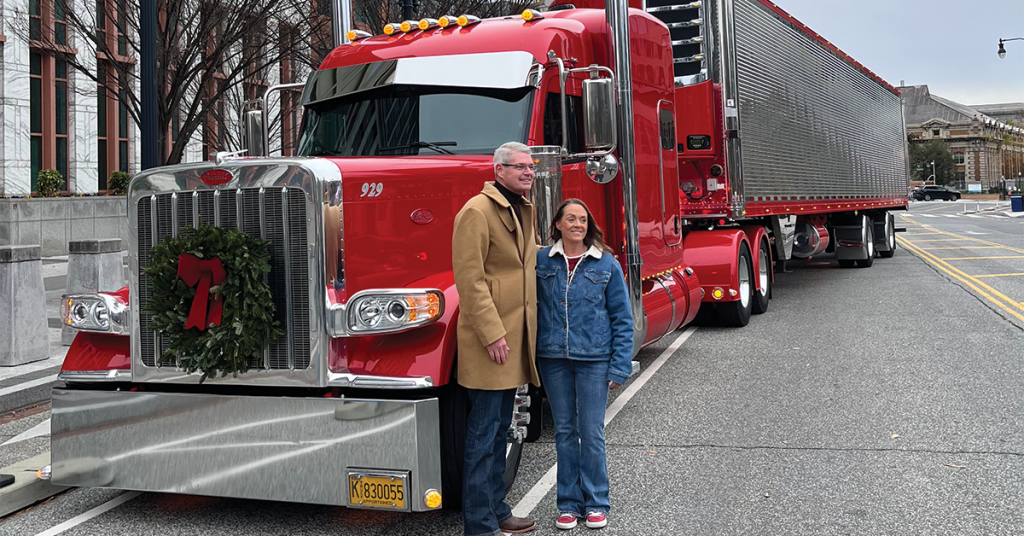
Women’s presence in trucking did not begin with TikTok or Instagram.
In April 2026, the Women In Trucking Association named Ingrid Brown its Driver of the Year. Brown has 46 years of experience in the industry and has worked as an owner-operator, professional driver, and operations manager, in addition to hauling specialized freight.
Her story is a reminder that some women have been driving America’s highways for decades, including at a time when seeing a woman behind the wheel of a truck was far less common.
Brown was a finalist for the award alongside three other drivers with very different careers: Fabiola Campos-Buenavista, a City Driver and Driver Development Instructor at FedEx Freight; Gina Jones, a professional driver with Werner Enterprises; and Kellylynn McLaughlin, a driver with Clean Harbors Environmental Services.
Their careers also illustrate the range of jobs women hold across the industry, from long-haul and local freight to driver training, environmental operations, specialized freight, and driving for major fleets.
Safety and Training Under Scrutiny
The growing presence of women in trucking has also prompted the federal government to examine the obstacles they face when entering and remaining in the profession.
FMCSA established the Women of Trucking Advisory Board (WOTAB) in 2022, initially bringing together 16 women from different areas of the industry. Its members included active and retired drivers, owner-operators, instructors, executives, and representatives of transportation organizations.
The board examined training, mentorship, recruitment, retention, and safety.
FMCSA research into crime and harassment involving truck drivers found that women drivers reported greater exposure to sexual harassment within companies or during training than their male counterparts. The agency also reported that approximately half of harassment incidents went unreported, in part because victims believed reporting them would not lead to meaningful change.
In January 2025, FMCSA submitted a report to Congress containing recommendations from the Women of Trucking Advisory Board and proposed actions involving education, training, mentorship, safety, and the retention of women in commercial transportation.
Desiree Wood and the Stories That Reached the Screen
Long before these issues became part of formal government discussions, Desiree Wood was already talking about them from the road.
Wood founded REAL Women in Trucking in 2010 and developed the organization into a platform for women drivers seeking information and support on issues involving training, harassment, working conditions, and hiring practices.
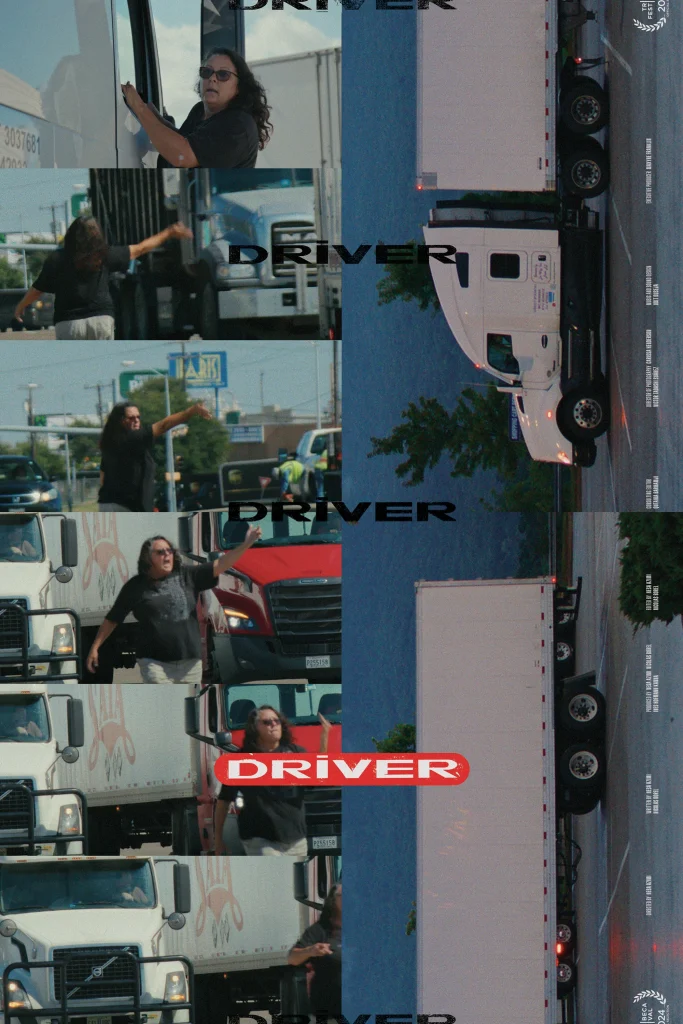
Her story later became part of Driver, the documentary directed by Nesa Azimi that follows the lives of a group of women long-haul truck drivers over several years.
Alongside Wood, the documentary features drivers including Michelle Kitchin, Idella Hansen, Debbie “Dingo” Desiderato, Jess Graham, and Brita Nowak.
The film looks at wages, long working days, training difficulties, safety, relationships with trucking companies, and the networks women drivers have built to support one another while spending days or weeks at a time on the road.
More Women Behind the Wheel

The conversation about women in trucking is no longer only about how many there are. It is also about the conditions women encounter when they decide to earn a CDL and build a career in the industry.
Training, mentorship programs, safety during driver instruction, procedures for reporting harassment, safe truck parking, and adequate facilities at truck stops are among the issues raised by drivers and industry organizations.
At the same time, different women illustrate the many ways their presence in trucking is expanding. Clarissa Rankin brings the everyday work of a truck driver to millions of people through social media. Sharae Moore built a community to help other women enter the profession. Desiree Wood has brought attention to working and training conditions. Ingrid Brown has spent 46 years in the industry. Fabiola Campos-Buenavista combines professional driving with training the next generation of drivers.
Women still account for a small share of those driving America’s largest trucks. But behind the statistics, more women are building careers, running businesses, training other drivers, and creating communities across the trucking industry.
 Business hours: Monday to Friday from 8:00 AM to 5:00 PM. California time