 Hable con un agente al (888) 572-7520
  Enviar mensaje a un agente

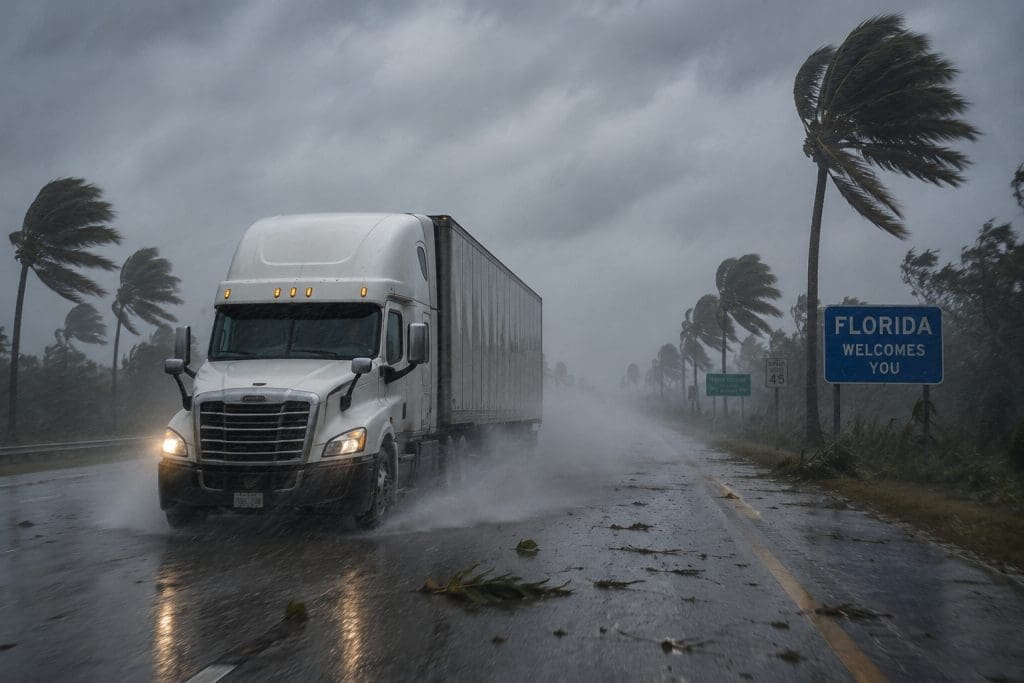

Extreme weather has become one of the biggest operational challenges for the trucking industry in the United States. Every year, snowstorms, hurricanes, flooding, high winds, dense fog and dangerous temperature swings impact major freight corridors, causing delays, accidents and billions of dollars in economic losses across the logistics sector.
For truck drivers, driving through difficult weather conditions is often part of daily life. However, some states have earned a reputation for being especially dangerous due to a combination of severe weather patterns, difficult terrain and unpredictable road conditions that can quickly turn a routine haul into a high-risk trip.
Wyoming: Extreme Winds and Black Ice
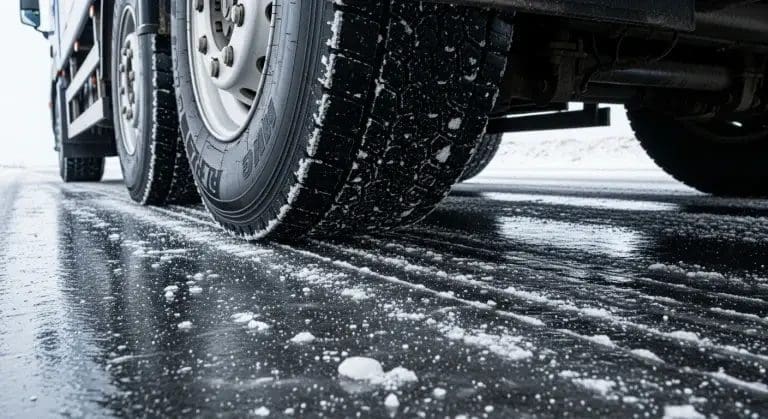
Wyoming consistently ranks among the hardest states for truck drivers to navigate safely. Interstate 80, one of the country’s most important freight routes, experiences frequent winter closures caused by heavy snowstorms, black ice and powerful crosswinds.
Many truckers consider Wyoming’s wind conditions one of the biggest threats for semi-trucks, especially for lighter or partially loaded trailers. Strong gusts can destabilize trucks within seconds, particularly in open rural areas where there is little protection from the wind.
Adding to the danger are the long distances between towns and limited emergency infrastructure across certain sections of the state. During severe winter storms, drivers can find themselves stranded for hours with limited access to services or shelter.
Colorado’s Dangerous Mountain Highways
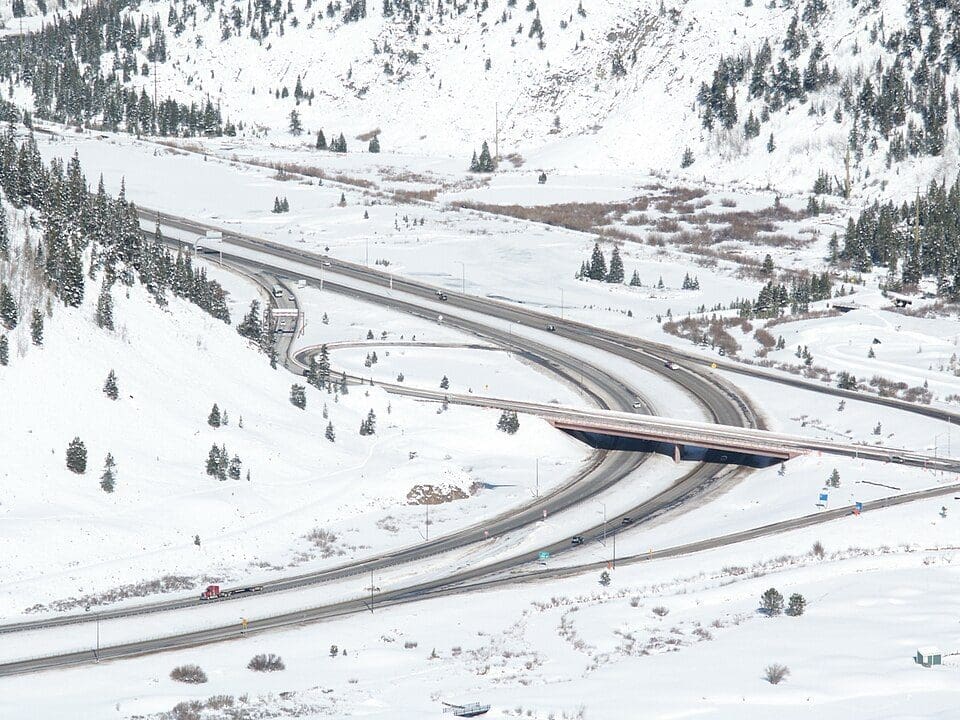
Colorado also ranks among the most difficult states for freight transportation. Highways crossing the Rocky Mountains feature steep grades, tight curves and rapidly changing weather conditions that can shift dramatically within minutes.
Interstate 70 is considered one of the most feared trucking routes during winter months. Snow accumulation, icy pavement and low visibility frequently contribute to major crashes and traffic shutdowns along mountain passes.
In some mountain sections, truck drivers are legally required to install snow chains, creating an additional challenge during severe weather events. Brake failures on steep downhill sections also remain a major concern for commercial drivers operating heavy loads.
North Dakota and South Dakota: Extreme Cold Conditions
The Dakotas are another major challenge for truck drivers during winter. North Dakota and South Dakota experience brutally cold temperatures and severe snowstorms capable of reducing visibility to near zero.
One of the greatest dangers in these states is black ice, a nearly invisible layer of ice that forms over road surfaces. Black ice can cause a truck to lose traction almost instantly, often leading to jackknife accidents or multi-vehicle collisions.
The region’s remote rural highways also increase the risks associated with winter driving. During blizzard conditions, emergency assistance may take longer to arrive, while road closures can leave drivers isolated for extended periods.
Texas: Storms, Flooding and Tornadoes
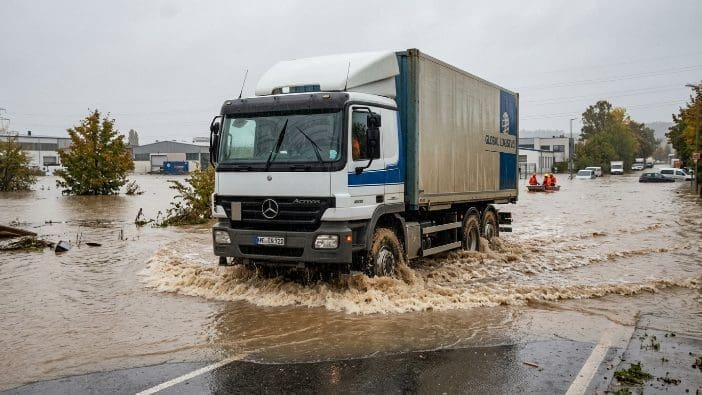
Although Texas is often associated with dry heat, the state also experiences some of the country’s most violent weather systems. Severe thunderstorms, tornadoes and flash flooding frequently impact major freight corridors such as Interstate 10, Interstate 20 and Interstate 35.
Heavy rainfall can paralyze traffic in large metropolitan areas like Houston and Dallas, creating major delays for freight operations. Flash floods are especially dangerous because water can quickly cover highways and low-lying roads with little warning.
Texas is also vulnerable to tropical storms and hurricanes due to its proximity to the Gulf of Mexico. During hurricane season, trucking operations can be severely disrupted by evacuations, road closures and dangerous wind conditions.
Florida and Hurricane Season Risks
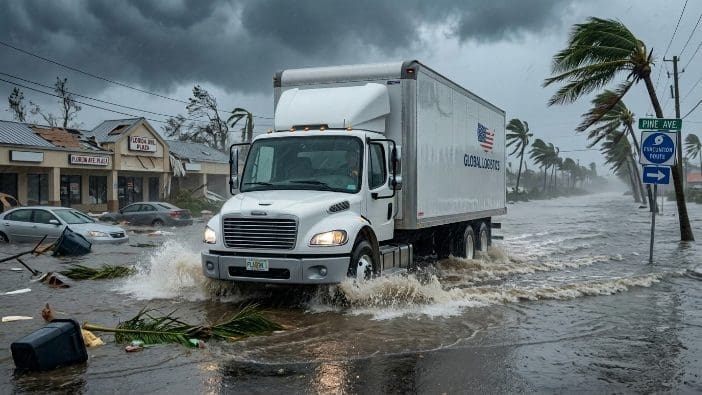
Florida represents another major challenge for commercial drivers. Between June and November, hurricane season can dramatically affect transportation and logistics operations throughout the state.
Mass evacuations, torrential rain and strong winds often create major traffic congestion and road shutdowns. Wet highways also significantly increase the risk of hydroplaning accidents, especially on heavily traveled interstates.
Tourism traffic adds another layer of complexity. During major storms or holiday weekends, Florida highways can become heavily congested, making freight movement even more difficult for trucking companies and independent drivers.
California: Dense Fog and Wildfire Smoke
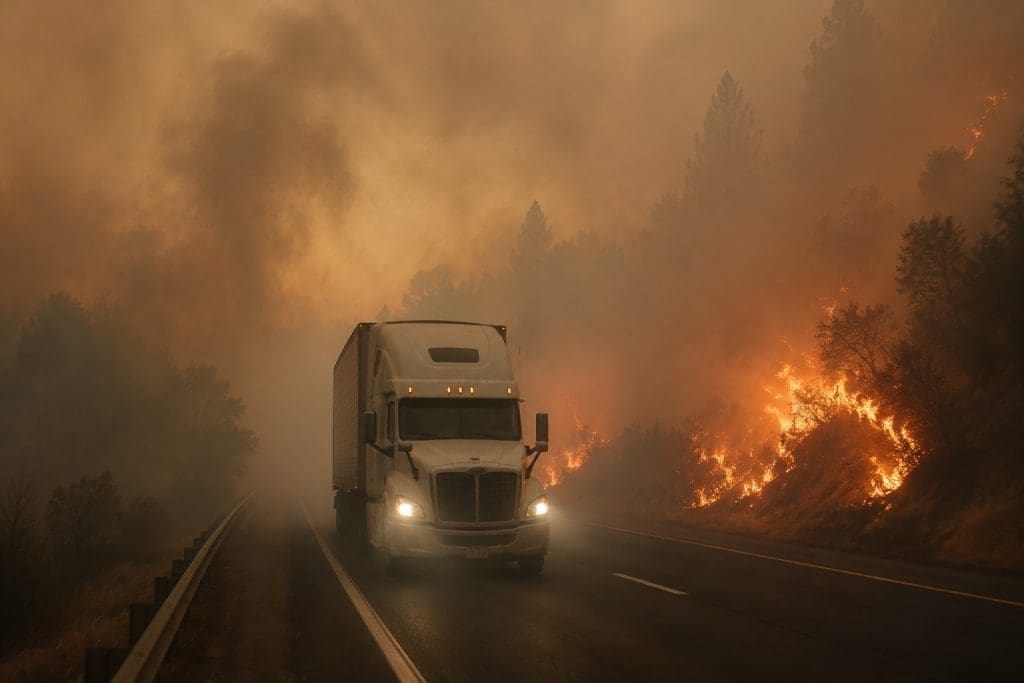
California presents a different set of weather-related transportation dangers. In the Central Valley, the well-known Tule Fog creates extremely dense fog conditions that can reduce visibility to only a few feet.
This phenomenon has contributed to major multi-vehicle crashes for decades and remains one of the state’s biggest hazards for truck drivers. Low visibility can make it difficult to react to stopped traffic, lane changes or road hazards in time.
Wildfires also create major logistical disruptions across California. Smoke can significantly reduce visibility, while active fires often force the closure of key transportation corridors used to move goods across the western United States.
The Midwest Faces Constant Winter Challenges
Several Midwestern states — including Minnesota, Wisconsin, Iowa and Nebraska — also rank among the most difficult places to drive during winter. Snowstorms, freezing temperatures and black ice regularly impact freight traffic and create dangerous road conditions for truck drivers.
Truckers operating in these states often deal with rapidly changing weather conditions, frozen highways and strong winter winds that increase the difficulty of long-haul operations.
Extreme Weather Impacts the Entire Supply Chain
The impact of severe weather extends far beyond truck drivers themselves. Delayed deliveries, route closures, increased fuel consumption and mechanical damage generate millions of dollars in losses every year for logistics companies and supply chains across the country.
As a result, many transportation companies continue investing heavily in weather monitoring systems, route planning technology and advanced safety protocols designed to reduce operational risks.
Driver Experience Still Matters Most
Despite advances in transportation technology, driver experience remains one of the most important safety factors in extreme weather conditions. Truck drivers must constantly make quick decisions while navigating snow, heavy rain, high winds, wildfire smoke or low visibility, often while traveling hundreds of miles across dangerous terrain.
In a country where freight transportation powers much of the economy, weather continues to be one of the greatest challenges facing the people who keep America’s highways and supply chains moving every day.
 Business hours: Monday to Friday from 8:00 AM to 5:00 PM. California time