 Llame al (888) 572-7520 para hablar con un agente
 Enviar mensaje a un agente
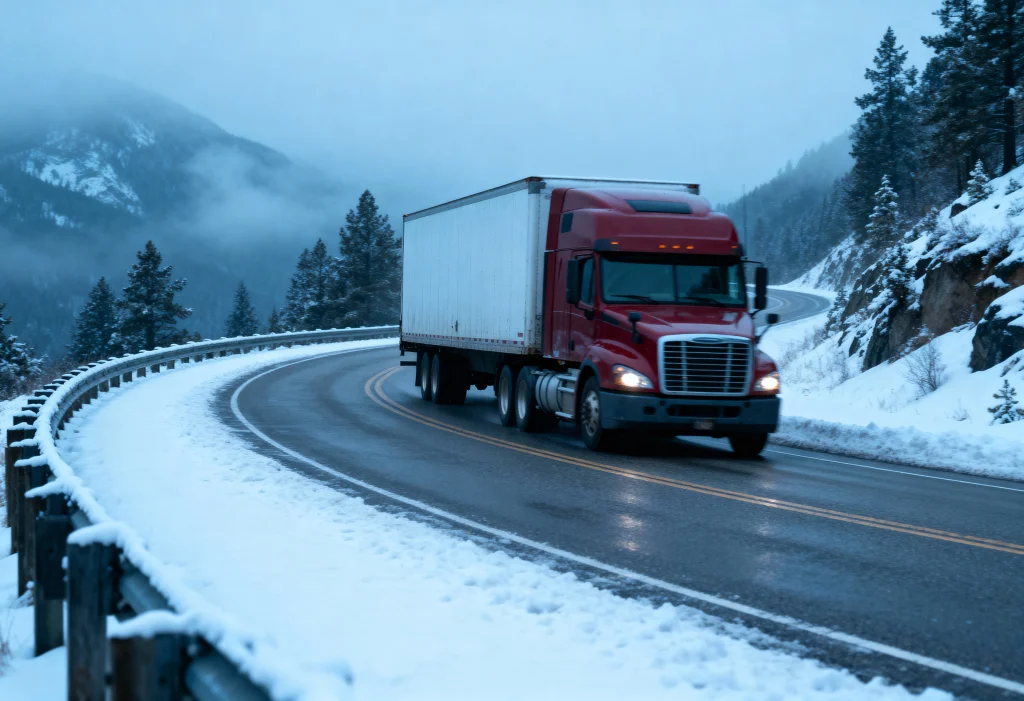

Trucking is the backbone of the American supply chain, moving more than 70% of the nation’s freight across the continental 48 states. Highways, distribution hubs, and predictable long‑haul routes form a system that—while complex—operates with a certain rhythm and reliability. But when you step outside the contiguous U.S. and look at Alaska and Hawaii, the trucking industry becomes a very different story. Geography, climate, infrastructure, and logistics reshape what trucking even means in these two states.
Alaska: Trucking at the Edge of the World
If trucking in the Lower 48 is a marathon, trucking in Alaska is an expedition. The state’s sheer size—larger than Texas, California, and Montana combined—creates distances that rival cross‑country hauls. Yet the real challenge isn’t distance; it’s the terrain and climate.
1. Limited Road Network
Alaska has only a fraction of the highway mileage found in other states. Many communities, especially in the northern and western regions, are not connected by road at all. Truckers rely heavily on a few critical routes, such as the Dalton Highway, which links Fairbanks to the oil fields of Prudhoe Bay. This road is legendary for its isolation, steep grades, and rough conditions.
2. Extreme Weather
Temperatures can plunge below –40°F in winter, turning diesel fuel into gel and making breakdowns life‑threatening. Ice, snow, and high winds are constant hazards. Seasonal changes also dictate trucking schedules: some remote villages are only reachable by ice roads, which exist for a few months each year.
3. Specialized Equipment and Skills
Alaskan trucking often requires:
Heavy‑duty rigs with reinforced frames
Tire chains and specialized winter tires
Auxiliary heaters for engines and fuel lines
Drivers trained in wilderness survival and remote recovery
This is trucking where self‑reliance is as important as horsepower.
4. Multimodal Dependence
Because roads don’t reach everywhere, trucking is only one piece of the logistics puzzle. Freight often moves by a combination of truck, barge, ferry, or small aircraft. Truckers must coordinate with these systems in ways that continental drivers rarely encounter.
Hawaii: Trucking Without the Long Haul
Hawaii’s trucking industry is almost the mirror opposite of Alaska’s. Instead of vast distances and frozen roads, Hawaii offers short routes, warm weather, and dense urban areas. But the challenges are just as unique.
1. No Interstate Trucking in the Traditional Sense
Hawaii has “Interstate” highways, but they don’t connect to any other state. All freight entering Hawaii arrives by ship or air, and trucking handles the final leg of distribution. This makes Hawaiian trucking heavily dependent on port operations, especially in Honolulu.
2. Short Hauls, High Congestion
Most trucking routes are short—often under 50 miles—but they pass through some of the most congested roads in the country. Urban density, limited land, and tourism traffic create bottlenecks that slow freight movement.
3. High Operating Costs
Everything from fuel to truck parts must be imported, raising costs significantly. Storage space is limited, so just‑in‑time delivery is common, requiring tight coordination with shipping schedules.
4. Inter‑Island Logistics
Trucking in Hawaii doesn’t end at the edge of a city—it ends at the edge of an island. Moving freight between islands requires barges or inter‑island cargo ships. Truckers often work closely with maritime carriers to ensure goods move smoothly across the archipelago.
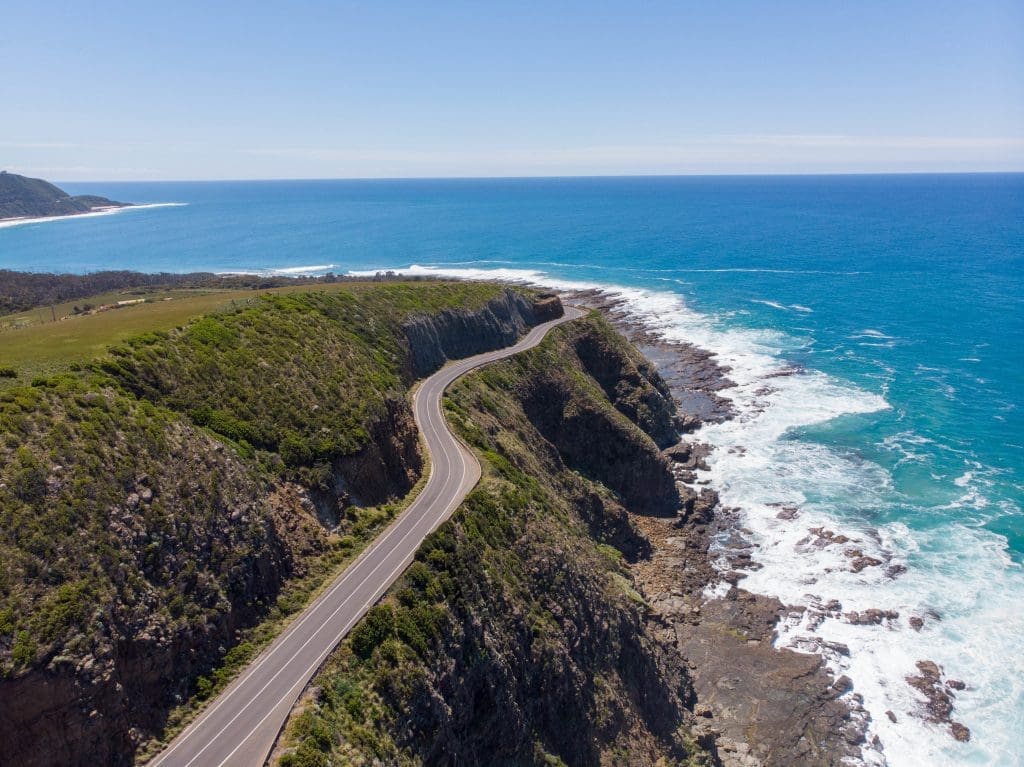
How Alaska and Hawaii Compare to the Continental 48
In the Lower 48, trucking benefits from:
A massive, interconnected highway system
Numerous distribution centers
Predictable weather patterns (at least compared to Alaska)
High population density and consistent freight demand
The ability to run long‑haul routes without switching transport modes
Trucking companies can optimize routes, fuel usage, and delivery schedules with a level of efficiency that simply isn’t possible in Alaska or Hawaii.
Two States, Two Worlds of Trucking
Alaska and Hawaii show how geography shapes logistics. In Alaska, trucking is rugged, remote, and often dangerous—defined by long distances and extreme conditions. In Hawaii, trucking is compact, urban, and intertwined with maritime shipping. Both states rely heavily on trucks, but the job looks nothing like trucking in the continental U.S.
These differences highlight the adaptability of the trucking industry and the essential role it plays in connecting even the most isolated corners of America.
 Business hours: Monday to Friday from 8:00 AM to 5:00 PM. California time