Operation Protect Your Move, regulations for autonomous trucking and push for zero-emission trucks in the U.S ports
FMCSA Launches Operation Protect Your Move
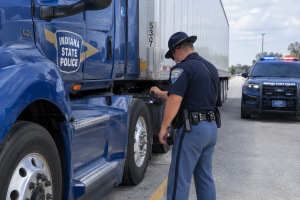
The Federal Motor Carrier Safety Administration (FMCSA) continues its efforts to protect the public from moving scams and brokers. On May 20, the agency launched the Operation Protect Your Move to address complaints about moving companies and ensure compliance with regulations. Last year, a similar initiative uncovered over 1,000 violations in the sector.
Transportation Secretary Pete Buttigieg emphasized that this initiative aims to ensure fair treatment for Americans moving by holding fraudulent moving companies accountable. The FMCSA issued letters of probable violation and revoked the operating authority of several companies. Additionally, the Department of Justice has a pending civil penalty case in a California court.
This year’s operation will focus on companies with the most consumer complaints. The FMCSA advises consumers to research and plan their move using free online resources, such as checklists, rights and responsibilities booklets, fraud detection guides, and moving tips. It also urges fraud victims to use the National Consumer Complaint Database.
Furthermore, the FMCSA plans to address other types of fraud in road transportation. It has accepted a petition from the Transportation Intermediaries Association (TIA) regarding training requirements for brokers and freight forwarders. It also accepted a petition from the Owner-Operator Independent Drivers Association (OOIDA) to improve agent transparency and plans to begin a rulemaking process in October.
Regulation of Autonomous Trucks in California, Delaware, and New York
Legislative projects to regulate the use of autonomous trucks on public roads are advancing in California, Delaware, and New York. The OOIDA acknowledges the potential of this technology but warns of the challenges it poses to commercial vehicle safety. The states have proposed legislation to ensure road safety.
California
A bill in California, introduced by Assemblymember Cecilia Aguiar-Curry, seeks to ban autonomous vehicles over 10,001 pounds without a human safety operator on board. This initiative, stemming from safety concerns, was previously vetoed by Governor Gavin Newsom, who claimed DMV regulations were sufficient. Despite the veto, the bill has progressed through the Assembly’s Transportation and Appropriations Committees and is heading to the Senate.
Delaware
In Delaware, a similar bill proposes banning automated trucks over 10,000 pounds without a human safety operator. The Senate has voted in favor of this measure, which also requires a report from the Delaware Department of Transportation on the technology by 2029, when the rule could be reviewed.
New York
In New York, two bills with the same requirements are under consideration. Senator Pete Harckham has emphasized the need to protect public safety and jobs in the trucking industry. Both bills are in transportation committees.
Zero-Emission Trucks in the U.S. Ports
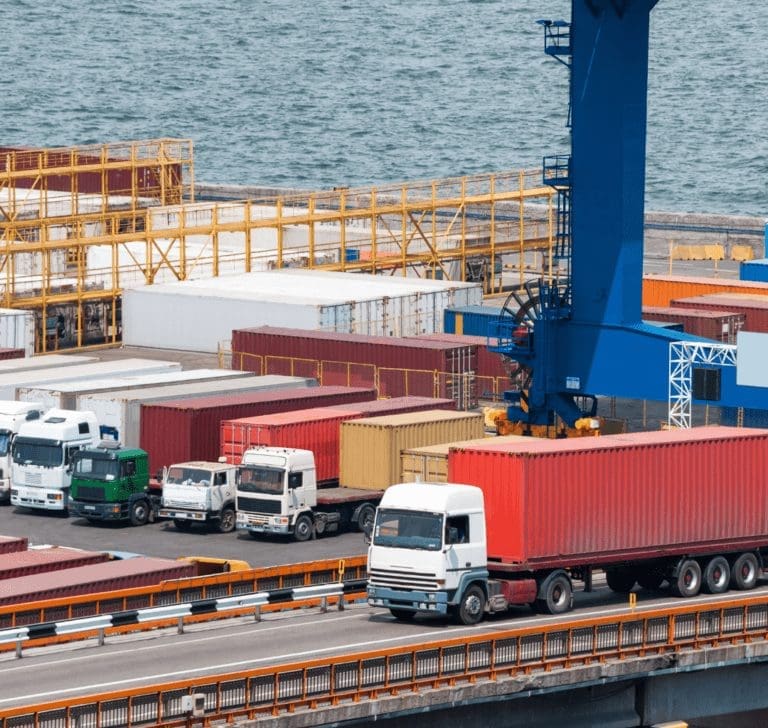
The push towards zero-emission trucks is intensifying in U.S. ports, with federal support facilitating the transition. Ports, concentrating numerous trucks and heavy equipment, are a focus for environmental groups due to their high emissions. For operators, electrifying fleets is more feasible.
The pressure on port operators is significant, and the Federal Highway Administration has announced nearly $150 million in grants to 11 states and Puerto Rico to reduce emissions at port facilities, with a total of $400 million available through the Infrastructure Investment and Jobs Act.
Most grants fund electric truck programs and charging stations. For example, Louisiana will receive $7.1 million to purchase 14 heavy-duty electric trucks and five light-duty vans, and WattEV in California will receive $9 million for 40 electric trucks at the Port of Long Beach. Some programs support owner-operators, such as the Northwest Seaport Alliance, which will receive $16 million to incentivize independents and small businesses in Seattle and Tacoma.
The regulations encompass a range of zero-emission technologies, not just electric trucks. In Alabama, a $4 million grant will implement new fuel injection technology in trucks at the Port of Mobile, and Port Newark will replace 20 diesel trucks with low-emission propane vehicles.
Projects also aim to reduce the carbon footprint of diesel trucks entering ports. In Miami, over $8 million will fund improvements to reduce truck idling times at port gates, with a similar project planned for the Port of Houston.
Hydrogen technology, crucial for long-distance operations, is not included in this first round of funding. However, electric vehicles are expected to soon be viable for many long-distance operations.

In brief: weigh stations, young drivers, and fuel tax reform in the trucking industry
South Carolina debuts virtual weigh stations for trucking, as ATA pushes youth driver program, and states debate fuel policies. South Carolina launches virtual weigh stations

The Wildest Truck Modifications on the Road Today
Truck customization has become a serious industry, with some builds rivaling high-end RV conversions in complexity and cost. From redesigned sleepers to upgraded suspension systems, these modifications do more than change appearance — they alter weight, electrical load, and the technical profile of the truck.

The most dangerous states in the U.S. during winter weather
While winter conditions are hazardous across the country, some states experience significantly higher accident rates during this season. A study by Samsara, a safety and

Winter storm disruptions lead to FMCSA HOS relief in 40 states
Motor carriers and drivers providing direct assistance in relief efforts in the affected states are covered by a hours-of-service (HOS) exemption. Over the weekend, a

Air Quality Alert in California Impacts Transportation
An air quality alert has been issued as high levels of fine particle pollution (PM2.5) trigger health warnings across several parts of California. The situation is affecting visibility, driver health, and logistics operations, forcing transportation professionals to take extra precautions on highways and in urban corridors

Winter Storm Survival on the Road: What Truck Drivers and Fleet Operators Need to Know Now
Winter storm with snow, ice, and extreme cold are creating dangerous highway conditions across multiple states, forcing truckers to make critical safety decisions before turning the key.