5 transportation companies that were forced to close their doors, affecting thousands of employees
Over the past five years, the road transport sector has faced a series of challenges, from high demand to fuel price hikes and stricter regulations, along with a pandemic that drastically altered the supply chain. Despite efforts to stay afloat, market slowdowns, falling transport rates, and issues like acquisitions and investigations into irregularities have led to the closure of numerous companies in the sector.
During the onset of the 2019 pandemic, nearly 800 road transport companies ceased operations due to decreased freight movement. CarrierOK data reveals that in 2023, approximately 88,000 road transport companies and 8,000 freight brokerages closed their doors, signaling a significant impact on the sector. Over the past five years, even industry leaders have succumbed, marking significant milestones in the sector’s history. Here are five companies that met their demise:
1. Celadon Group
Celadon Group Inc., based in Indiana, filed for Chapter 11 bankruptcy protection in December 2019, immediately ceasing operations and leaving about 4,000 employees jobless, including hundreds of truck drivers. Shortly after the announcement, the Department of Justice revealed that two former Celadon executives faced charges of fraud and providing false information to investors.

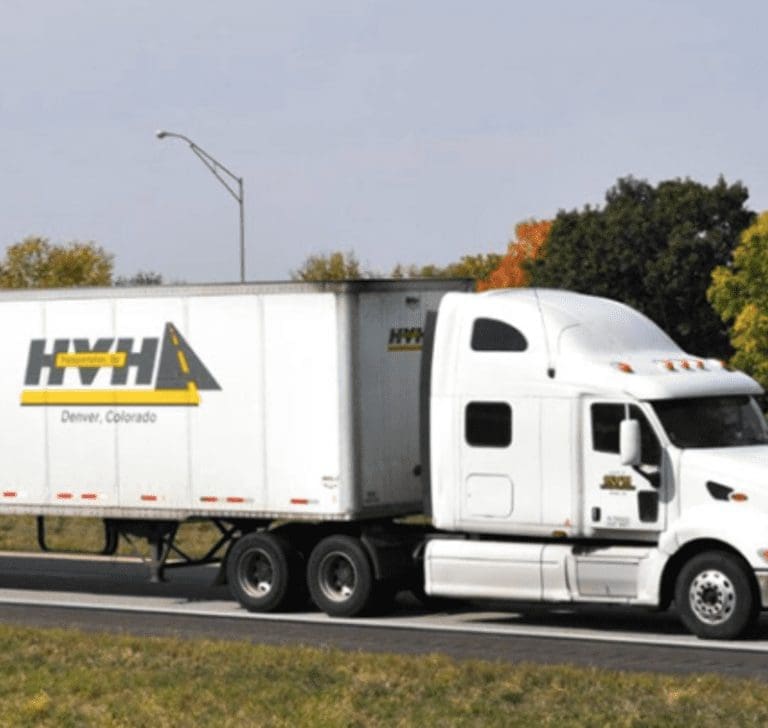
2. HVH Transportation
HVH Transportation, based in Denver, abruptly closed its doors in August 2019. According to Department of Transportation records, the company employed approximately 342 drivers and had a fleet of over 344 units. Founded in 1956, HVH Transportation provided various transportation services, but met its end in 2019.

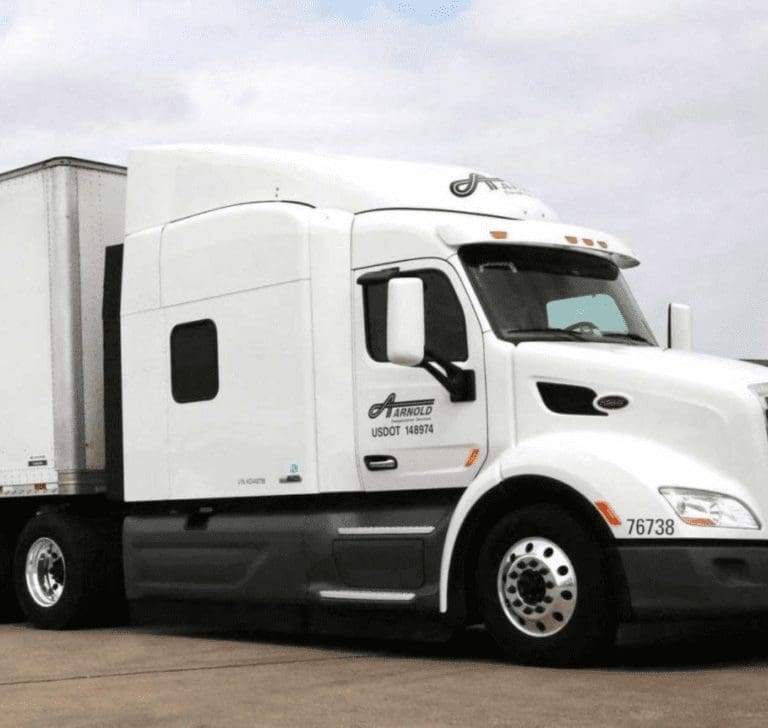
3. Arnold Transportation Services Inc.
Arnold Transportation Services Inc. is one of the more recent cases. In May 2024, the regional truckload carrier based in Dallas County announced the termination of 157 employees and the cessation of operations under Chapter 7 bankruptcy protection. This decision came after Arnold Transportation was acquired by Pride Group Logistics in February 2022.

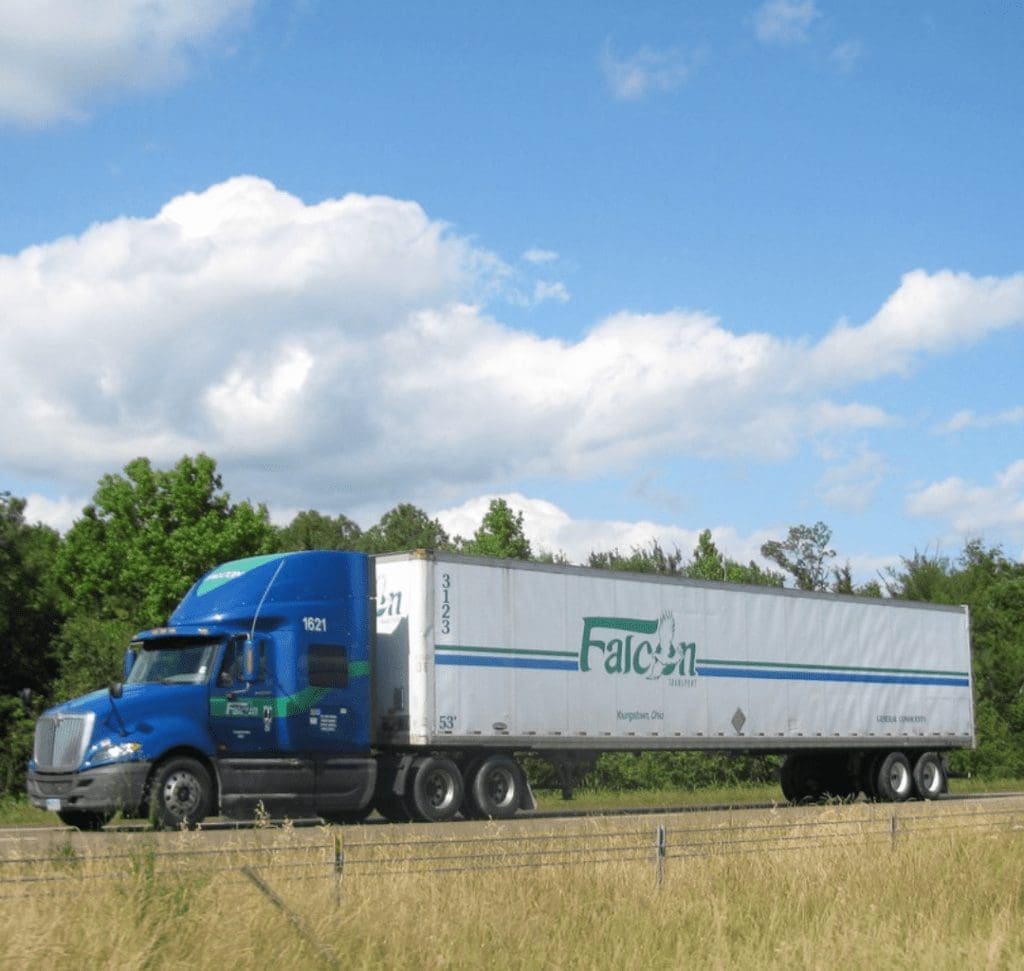
4. Falcon Transport
Based in Ohio, Falcon Transport, known as one of the largest flatbed operators in the country, shut its doors in April 2019. The company had 723 trucks in its operations, resulting in 585 drivers losing their jobs, as reported by FreightWaves.

5. Yellow
Yellow Corp, once a major player in the freight transport sector, declared bankruptcy in August 2023, after securing a $700 million federal loan during the pandemic, ending nearly 100 years of operations. This event resulted in the loss of approximately 30,000 union and non-union jobs. The Delaware bankruptcy court approved the auction sale of Yellow’s assets, including around 12,000 tractors and 35,000 trailers. The end of LTL Yellow marked a milestone in the history of the freight transport industry.


Frequently Asked Questions About Trucking in Washington
100 questions and answers for truck drivers operating in the state of Washington.

Washington updates its freight corridors: how truck navigation will change on I-5, I-90, and other key routes.
The State of Washington is updating its planning for the state’s most important freight corridors with a clear goal: improving commercial truck traffic, strengthening supply

Washington speeds up new logistics hub development to strengthen freight transportation and trade with Canada
Washington is expanding its network of logistics hubs through investments in ports, highways, and distribution centers to streamline freight transportation.

Washington Commercial Vehicle Laws: What Truckers Must Know
Washington combines state requirements with numerous federal regulations that apply to commercial transportation

Your Truck Was Declared a Total Loss: Who Decides What It Is Really Worth in Washington?
The accident may be over in seconds. The dispute over what the vehicle is actually worth can last much longer. Since 2026, Washington has introduced a new tool to resolve certain valuation disputes between policyholders and insurance companies.

Why Some Washington Carriers Are Harder to Insure
Accidents, maintenance, drivers, and safety records can complicate a carrier’s risk profile. What Washington truckers should review before insurance renewal.