The transformation of passenger vehicles into commercial vehicles
The transformation of passenger vehicles into commercial vehicles is a practice that has evolved over the years. From family vans to pick-up models, this adaptation demonstrates the versatility of classic vehicles to fulfill different roles in the market. Below, we will explore a selection of these vehicles that have been converted with varying degrees of success into commercial vehicles.
6 classic cars that were transformed into commercial vehicles
1. Austin ½ Ton and Austin A30
The Austin ½ Ton and Austin A30 van represent two distinctive examples of utility vehicles derived from passenger car models. The Austin ½ Ton was a popular pickup with a 1.5-liter engine introduced shortly after the van in 1957. Meanwhile, the Austin A30 van stood out as Austin’s smallest utility vehicle, offering easy access with a side rear door and equipped with engines ranging from 803 cc to 1098 cc in the A35 Van variant, which also had a pickup option with rear seats.

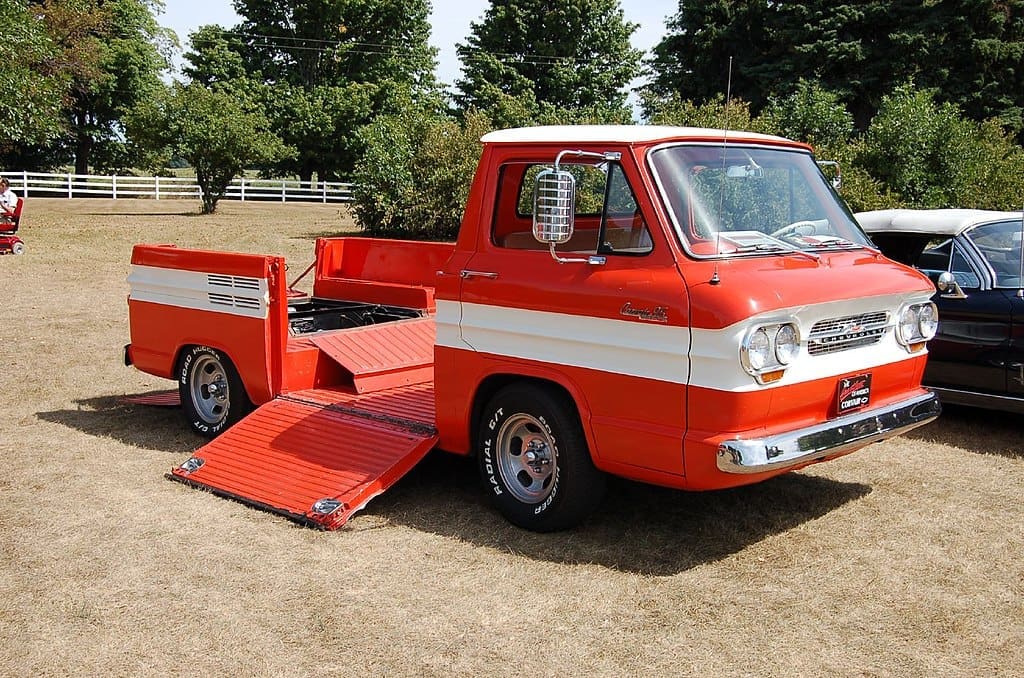
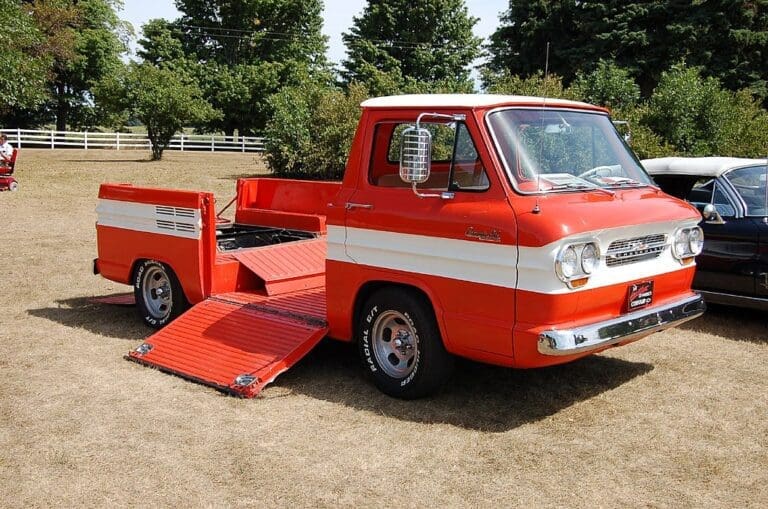
2. Chevrolet Corvair 95
The Corvair 95, also known as the Corvan, shared its platform with the sedan and featured an air-cooled rear engine similar to the Volkswagen Type 2. It was available in van and pickup versions, with the latter featuring a “Rampside” side opening to facilitate access to the loading platform. Additionally, there was a windowed van variant known as the Greenbrier. It had a forward cab design aimed at maximizing cargo space.

3. Morris Minor Series II
The Morris Minor Series II was well-suited for conversion into a commercial vehicle, particularly noted for its van versions introduced in 1953 with distinctive high-mounted headlights. The UK Post Office acquired numerous vans of this model for delivery purposes.

4. Volkswagen Caddy
Known as the Rabbit Pickup in the USA, the Volkswagen Caddy offered gasoline engines ranging from 1.5 to 1.8 liters depending on the market, as well as a 1.6-liter diesel version. Its cargo platform made it ideal for conversion into a commercial vehicle.

5. Jowett Bradford
Following World War II, Jowett introduced the Bradford, initially as a van and later as a family model, featuring a revised flat-twin engine. They maximized its utility by offering a Utility finish with side windows and rear seats, alongside a slightly more luxurious De Luxe variant. A Truck variant was also available as a pickup.

6. Ford Thames 300E and 307E
Ford skillfully converted its passenger car models into light commercial vehicles with the Thames 300E, which offered an impressive 1,883-liter cargo capacity. Equipped with Ford’s proven 1,172 cc engine, 196,885 units of the Thames 300E were produced. Ford subsequently launched the Thames 307E in 1959, based on the new Anglia, continuing its strategy of transforming small cars into vans.


What Are the 5 Most Expensive Highways for Trucks in the U.S.?
These five U.S. highways have some of the highest toll costs for trucks, adding hundreds of dollars to a single trip.

Truckers in Washington: How to adapt to the new economy and come out ahead
The transportation market in Washington state is transforming. This article outlines the key factors and best strategies for optimizing routes, reducing costs, and capturing the most profitable loads.

Florida Raises Crash Reporting Threshold to $2,000
Starting October 1, Florida will quadruple the property-damage threshold that triggers the requirement to immediately report a crash. For truck drivers, however, the dollar value of the damage is not the only factor that matters.

Frequently Asked Questions About Trucking in Washington
100 questions and answers for truck drivers operating in the state of Washington.

Washington updates its freight corridors: how truck navigation will change on I-5, I-90, and other key routes.
The State of Washington is updating its planning for the state’s most important freight corridors with a clear goal: improving commercial truck traffic, strengthening supply

Washington speeds up new logistics hub development to strengthen freight transportation and trade with Canada
Washington is expanding its network of logistics hubs through investments in ports, highways, and distribution centers to streamline freight transportation.