Before the storm began, insurance industry experts estimated losses could reach up to $100 billion for the global insurance sector.
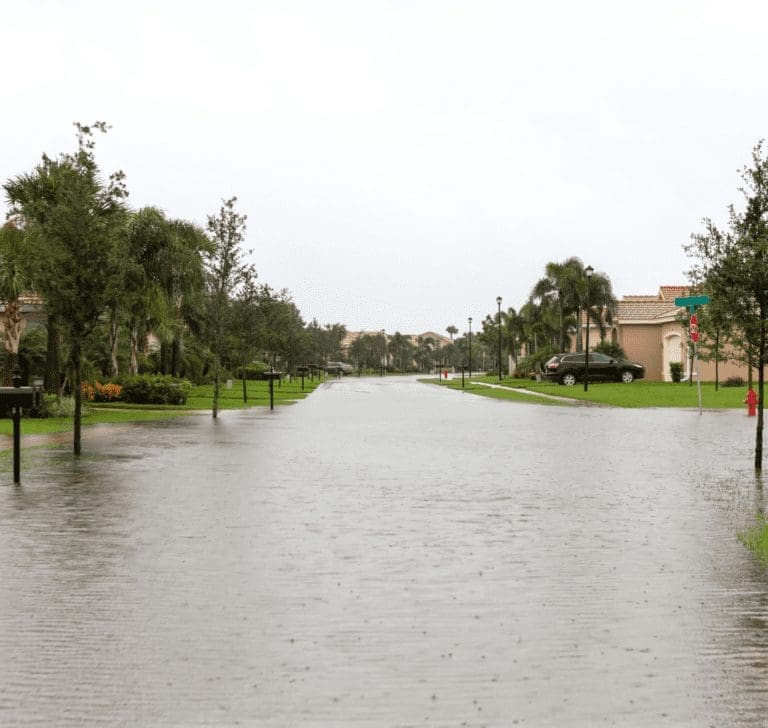
Hurricane Milton swept through Florida with strong winds, heavy rains, and several tornadoes, causing at least four deaths. The storm made landfall on October 9 in Siesta Key as a Category 3 hurricane, wreaking havoc along much of the coast and leaving more than 3.2 million people without power. Cities like Tampa and St. Petersburg faced flooding of over 16 inches of rain, and storm surge and tropical storm warnings remain in effect for Florida, Georgia, and South Carolina.
Before Hurricane Milton made landfall on October 9, heavy rains and tornadoes had already impacted southern Florida. One tornado passed through the Everglades, and another caused minor damage in Fort Myers. Four people were killed by tornadoes in St. Lucie County, where about 125 homes, many in senior communities, were destroyed. Milton made landfall as a Category 3 hurricane but was downgraded to Category 2 within 90 minutes. By October 10, it was a Category 1 storm with winds of 85 mph as it left Florida near Cape Canaveral.
More than 60% of gas stations in Tampa and St. Petersburg ran out of fuel on October 9. The storm damaged buildings and infrastructure and caused heavy rains, though the catastrophic storm surge that had been feared never materialized.

The aftermath of Hurricane Milton: how much will it cost insurers?
Before the storm began, insurance industry experts estimated losses could reach up to $100 billion for the global insurance sector, comparing Milton’s potential impact to that of Hurricane Katrina in 2005. However, a more realistic estimate suggests that insured losses will range between $60 billion and $90 billion, which would be significant but not catastrophic, according to Reuters.
On the other hand, analysts at RBC Capital believe that losses could be similar to those of Hurricane Ian in 2022, which amounted to $60 billion and were manageable for the insurance sector. It was initially predicted that an extreme event in Tampa could cause up to $175 billion in losses, but given the storm’s actual impact, those numbers now seem exaggerated.

Despite the uncertainty over the total damage, U.S. News reported that S&P analysts warned that Milton could exhaust the catastrophe budgets of many insurers in 2024, as losses could rival those from Ian. RBC Capital analysts disagree, stating that the sector is now better equipped to handle these situations, citing improved reinsurance contracts, diversified income streams, and stronger financial reserves.
The silver lining is that the damage was not as severe as initially predicted, which could lead insurers to revise their estimates before declaring the total losses caused by Hurricane Milton.

Texas Considers New Laws to Regulate Truck Weights and Protect Infrastructure
Texas is considering new bills to tighten penalties for overweight trucks, modify transportation routes, and ease load limits.

The Unsung Heroes of Trucking: Technicians to Be Honored in June
National Technician Appreciation Week will be held in June to recognize the professionals who keep trucks safe, prevent mechanical failures, and ensure trucking operations

EPA Submits Final Review of NOx Emissions Rule for Heavy-Duty Trucks
The EPA has submitted its final revisions to the nitrogen oxide (NOx) emissions regulations for heavy-duty vehicles.

Thanksgiving: America’s Busiest Week for Travel, Trucking, and Giving Thanks
Millions of Americans gather to celebrate Thanksgiving, a tradition that brings families together and keeps food and freight moving across the country. Behind every holiday dinner is a massive logistics operation, with thousands of truck drivers working to ensure everything arrives on time.
Highway 50: The Loneliest Road in America
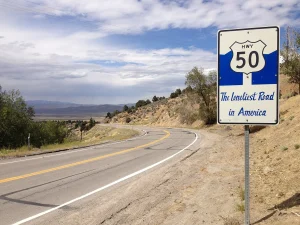
287 miles constitute Highway 50 and they’re all part of what’s known as the “Loneliest Road in America.”
Strike at the Ports of Los Angeles and Long Beach Threatens U.S. Maritime Trade
The Ports of Los Angeles and Long Beach are facing a possible strike by security workers on November 21, with potential risks to the United States supply chain.