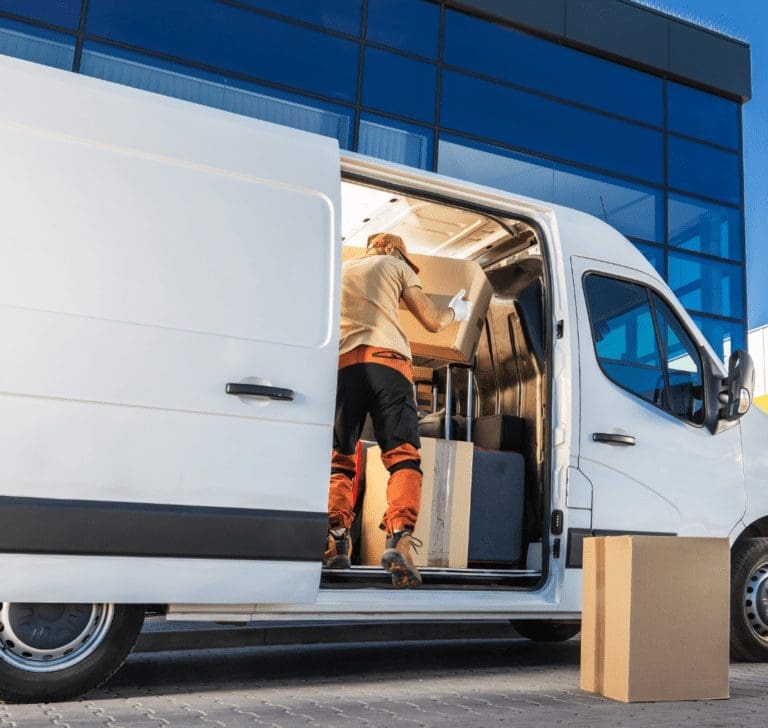
While speed remains important in some cases, cost and sustainability have gained ground when it comes to deliveries.
A new trend has started to gain momentum in the parcel delivery industry: more and more people are opting for slower delivery options to save money. As a result, major shipping companies like FedEx Corp. and UPS Inc. have been forced to recently cut their earnings forecasts. Currently, most customers prefer more affordable alternatives, such as ground shipping instead of air, a shift that could be a warning sign for what’s to come in upcoming financial reports.
The decline in demand for urgent shipments has been a consistent trend since 2021, with UPS reporting a 7.1% drop in the average daily volume of domestic air services in its latest quarter, while FedEx saw a 5% decrease in priority shipments. At the same time, companies have noted an increase in the popularity of cheaper shipping options across various markets.

Slow deliveries: a sign of an economic recession?
This shift has raised concerns among investors. The holiday season is a crucial period for shipping companies, but early indicators suggest that the upcoming holiday shopping season will not follow the same trends as last year. According to a survey conducted by Project44, more than 1,300 consumers in North America and the United Kingdom are buying gifts earlier to save on shipping costs. Additionally, two-thirds of respondents said they plan to spend less on gifts this year, and one in four cited shipping expenses as their main concern.
This move away from speed has triggered an identity crisis for companies specializing in fast deliveries. Despite the boom these companies experienced for years, the current reality is different; consumer preferences have shifted toward slower and more affordable options, and both companies have had to adapt.

The pandemic and the rise of fast shipping: stories from the past
The rise of Amazon.com Inc. significantly contributed to the demand for fast shipping, as consumers became accustomed to receiving their orders in two days, one day, or even within hours. During the pandemic, this trend intensified due to the need for essential goods and home improvement products. However, supply chain disruptions and product shortages led people to start accepting longer delivery times, and this change in attitude has endured.
Currently, the popularity of foreign brands like Shein and Temu has increased, offering products at very low prices, even though shipments can take up to a month to arrive. Even Amazon has begun to encourage slower deliveries by offering benefits to those who choose to receive their orders with an extended timeframe instead of the two-day express option.
In summary, the parcel delivery market is undergoing a significant shift in consumer expectations. While speed remains important in some cases, cost and sustainability have gained ground, forcing FedEx and UPS to adapt their strategies to meet these new demands.

Nevada’s Runaway Ramps Save Lives
Runaway ramps on highways help stop vehicles experiencing brake failure, saving lives on the road.

California Highway Patrol Inspections: What They Check on Commercial Trucks and How to Prepare
Learn what the California Highway Patrol checks on commercial trucks in California, including brakes, tires, documents, hours of service, and safety.

Indiana, the RV Capital of the World: The Business Behind America’s RV Industry
Indiana accounts for the vast majority of RV manufacturing in the United States. But behind the factories is a lesser-known business: delivering brand-new recreational vehicles to dealerships across the country. Who are the drivers making these trips, how does the delivery business work, and when is a commercial driver’s license (CDL) required?

Texas Warns of Flooded Roads as El Niño Approaches
The Texas Department of Transportation (TxDOT) is warning drivers about hidden dangers beneath floodwaters, penalties for ignoring road closures, and precautions truckers should take ahead of a potentially wetter and stormier 2026–2027 winter.

The United States is growing, but sustaining that growth is becoming increasingly difficult
The country continues its economic expansion, but debt, interest rates, and inflation are driving up the cost of financing for businesses, households, and even the government itself.

USDOT Announces More Than $1.6 Billion to Rebuild Damaged Infrastructure
The United States will allocate more than $1.6 billion to repair roads, bridges, and transportation infrastructure damaged by hurricanes and floods.