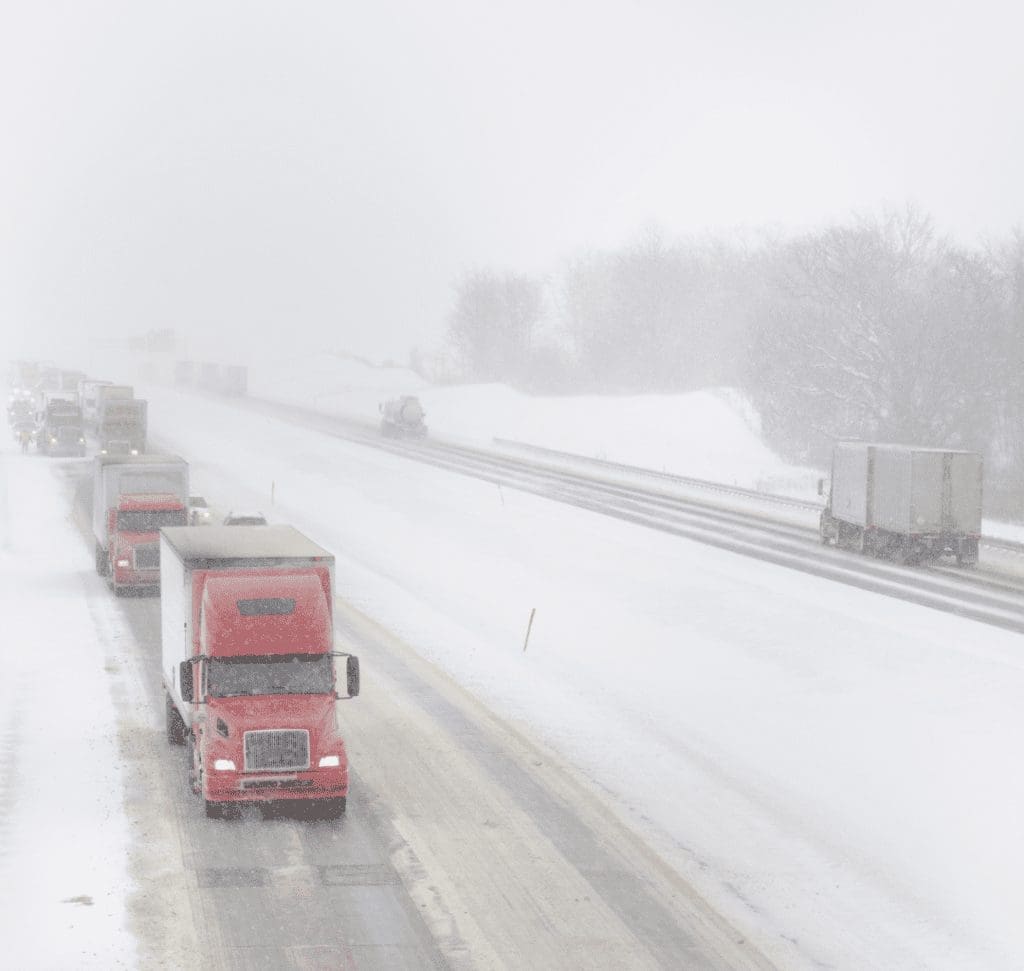
The Great Lakes region will be affected by this storm, prompting warnings and recommendations from the government.
A powerful Arctic “clipper” storm has hit several U.S. states, bringing heavy snowfall and conditions that could endanger drivers. With temperatures dropping 20°F below average, this storm has threatened travel chaos across the Eastern states.
The Great Lakes region will be affected by this storm, prompting warnings and recommendations from the government. One of the most impacted states will be Pennsylvania, where the Department of Transportation (PennDOT) advises avoiding unnecessary travel during the storm. PennDOT will implement speed and vehicle restrictions and carry out pre-treatment of the roads to prevent ice formation.

Restrictions during the winter storm in Pennsylvania
The Department of Transportation has imposed vehicle restrictions starting Thursday, December 5, at 12:01 AM. Restrictions are as follows:
- Tier 2: Interstate 80 from the Ohio border to mile marker 173 (Lamar Exit, Route 64).
- Tier 3: I-90 and I-86, in their entirety; I-79, north of I-80.
The following vehicles are strictly prohibited under Tier 2 restrictions:
- Tractors: without trailers, with enclosed trailers, open trailers, or tankers without load or with light load, tandem trailers without load or with light load, loaded tandem trailers without chains or alternative traction devices (ATD).
- Delivery trucks/box trucks with light load that meet the definition of commercial vehicles.
- Passenger vehicles (cars, SUVs, trucks, etc.) towing trailers.
- Recreational vehicles/motorhomes.
- School buses, commercial buses, and coaches, regardless of the availability of chains or ATDs.
- Motorcycles.
On roads without restrictions, commercial drivers should exercise caution in high winds, ensure cargo is secure, reduce speed, and use hazard lights if necessary. They should also be alert to sudden snow squalls that can reduce visibility and create icy patches, especially on bridges. In case of a snowstorm warning, it’s advised to delay travel or exit the road when possible.

What precautions to take during a winter storm?
The Pennsylvania Department of Transportation has shared tips for driving during snowstorms, which can be useful for other states facing similar weather conditions. Here are PennDOT’s tips for driving in snowstorm conditions:
- Reduce and adjust speed according to the conditions.
- Turn on headlights and, in snowstorms, activate hazard lights.
- Stay in one lane and increase following distance.
- Avoid distractions and remain alert.
- Keep windows and mirrors free of snow and ice.
- Do not stop in the middle of traffic to avoid chain collisions.
- Do not overtake slow-moving vehicles or speed up to distance yourself from a closely following vehicle.
- Always wear a seatbelt and never drive under the influence of alcohol.
Additionally, motorists should prepare for winter weather by carrying provisions such as food, water, blankets, gloves, hats, a mobile charger, hand or foot warmers, and essential items like medications and baby or pet supplies.

Steps to follow in case of a road accident
In case of accidents, here are the necessary measures and advice shared by the Pennsylvania State Police. These actions can also be taken in any other affected state. Remember to stay calm and follow these steps:
- If possible, move your vehicle away from traffic lanes.
- Call 911 immediately if your vehicle cannot move or if there are injuries.
- If stuck in the traffic lane, stay inside your vehicle with the seatbelt on and hazard lights activated.
- If it is unsafe to remain in the vehicle, exit quickly and move to a safe place.
- At an accident scene, if possible, move aside and reduce speed to assist first responders.
For more information on winter travel safety and emergency kits, drivers can visit the Department of Transportation website. Staying informed about weather conditions can help prevent accidents. Drive carefully and only when necessary.

Trucking Transportation at the Ports of Washington: Permits and Requirements
The state of Washington is a strategic hub for many truck drivers handling maritime freight on the U.S. West Coast. When referring to trucking transportation

What Are the 5 Most Expensive Highways for Trucks in the U.S.?
These five U.S. highways have some of the highest toll costs for trucks, adding hundreds of dollars to a single trip.

Truckers in Washington: How to adapt to the new economy and come out ahead
The transportation market in Washington state is transforming. This article outlines the key factors and best strategies for optimizing routes, reducing costs, and capturing the most profitable loads.

Florida Raises Crash Reporting Threshold to $2,000
Starting October 1, Florida will quadruple the property-damage threshold that triggers the requirement to immediately report a crash. For truck drivers, however, the dollar value of the damage is not the only factor that matters.

Frequently Asked Questions About Trucking in Washington
100 questions and answers for truck drivers operating in the state of Washington.

Washington updates its freight corridors: how truck navigation will change on I-5, I-90, and other key routes.
The State of Washington is updating its planning for the state’s most important freight corridors with a clear goal: improving commercial truck traffic, strengthening supply