The Great Lakes region will be affected by this storm, prompting warnings and recommendations from the government.
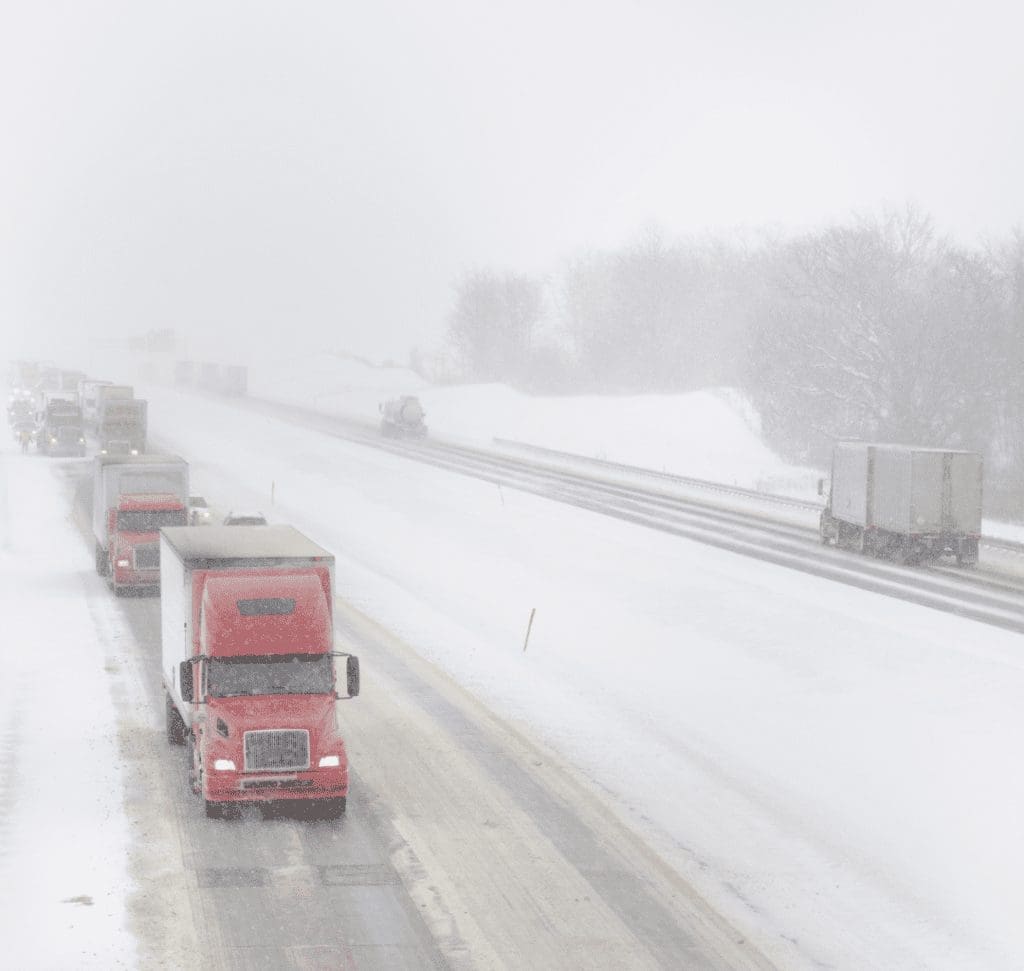
A powerful Arctic “clipper” storm has hit several U.S. states, bringing heavy snowfall and conditions that could endanger drivers. With temperatures dropping 20°F below average, this storm has threatened travel chaos across the Eastern states.
The Great Lakes region will be affected by this storm, prompting warnings and recommendations from the government. One of the most impacted states will be Pennsylvania, where the Department of Transportation (PennDOT) advises avoiding unnecessary travel during the storm. PennDOT will implement speed and vehicle restrictions and carry out pre-treatment of the roads to prevent ice formation.

Restrictions during the winter storm in Pennsylvania
The Department of Transportation has imposed vehicle restrictions starting Thursday, December 5, at 12:01 AM. Restrictions are as follows:
- Tier 2: Interstate 80 from the Ohio border to mile marker 173 (Lamar Exit, Route 64).
- Tier 3: I-90 and I-86, in their entirety; I-79, north of I-80.
The following vehicles are strictly prohibited under Tier 2 restrictions:
- Tractors: without trailers, with enclosed trailers, open trailers, or tankers without load or with light load, tandem trailers without load or with light load, loaded tandem trailers without chains or alternative traction devices (ATD).
- Delivery trucks/box trucks with light load that meet the definition of commercial vehicles.
- Passenger vehicles (cars, SUVs, trucks, etc.) towing trailers.
- Recreational vehicles/motorhomes.
- School buses, commercial buses, and coaches, regardless of the availability of chains or ATDs.
- Motorcycles.
On roads without restrictions, commercial drivers should exercise caution in high winds, ensure cargo is secure, reduce speed, and use hazard lights if necessary. They should also be alert to sudden snow squalls that can reduce visibility and create icy patches, especially on bridges. In case of a snowstorm warning, it’s advised to delay travel or exit the road when possible.

What precautions to take during a winter storm?
The Pennsylvania Department of Transportation has shared tips for driving during snowstorms, which can be useful for other states facing similar weather conditions. Here are PennDOT’s tips for driving in snowstorm conditions:
- Reduce and adjust speed according to the conditions.
- Turn on headlights and, in snowstorms, activate hazard lights.
- Stay in one lane and increase following distance.
- Avoid distractions and remain alert.
- Keep windows and mirrors free of snow and ice.
- Do not stop in the middle of traffic to avoid chain collisions.
- Do not overtake slow-moving vehicles or speed up to distance yourself from a closely following vehicle.
- Always wear a seatbelt and never drive under the influence of alcohol.
Additionally, motorists should prepare for winter weather by carrying provisions such as food, water, blankets, gloves, hats, a mobile charger, hand or foot warmers, and essential items like medications and baby or pet supplies.

Steps to follow in case of a road accident
In case of accidents, here are the necessary measures and advice shared by the Pennsylvania State Police. These actions can also be taken in any other affected state. Remember to stay calm and follow these steps:
- If possible, move your vehicle away from traffic lanes.
- Call 911 immediately if your vehicle cannot move or if there are injuries.
- If stuck in the traffic lane, stay inside your vehicle with the seatbelt on and hazard lights activated.
- If it is unsafe to remain in the vehicle, exit quickly and move to a safe place.
- At an accident scene, if possible, move aside and reduce speed to assist first responders.
For more information on winter travel safety and emergency kits, drivers can visit the Department of Transportation website. Staying informed about weather conditions can help prevent accidents. Drive carefully and only when necessary.

Amulets, faith, and fortune: how truck drivers seek protection around the world
From saints to herbs, truck drivers carry amulets on every trip that, according to their beliefs, protect them in the harsh life of road transport.

Is It Worth Being a Truck Driver in the U.S. in 2026?
Becoming a truck driver in the United States means access to competitive pay and strong labor demand, but it also requires accepting time away from family, physical strain, and a lifestyle that isn’t for everyone.

Operation SafeDrive: Nearly 2,000 Truckers and Vehicles Taken Out of Service in Three Days
Operation SafeDRIVE triggered thousands of inspections across 26 states and Washington, D.C., leading to disqualified drivers, sidelined equipment, and arrests while reinforcing a stricter enforcement environment for the trucking industry.

Super Bowl LX: The Logistics Behind the Patriots–Seahawks Showdown
Super Bowl LX, featuring the New England Patriots and the Seattle Seahawks, is far more than the NFL’s championship game. It involves one of the most complex logistics operations in the world, with hundreds of trucks, ultra-precise technical production, layered security controls, and an industrial-scale deployment that turns Levi’s Stadium into a temporary city for 72 hours.

Job cuts surge in January, weighing on transportation
January saw one of the largest waves of job cuts since 2009 across multiple sectors in the United States. January saw one of the largest

Federal Reserve: rates remain unchanged with caution amid a solid economy
The United States Federal Reserve decided to keep interest rates unchanged, in line with market expectations. In the latest episode of the Mercado Sobre Ruedas