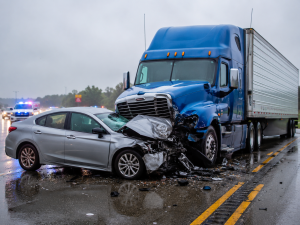
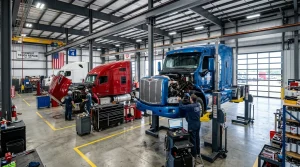
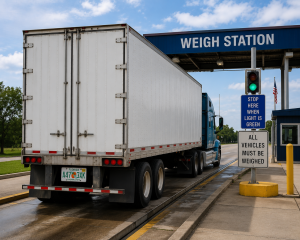
With nearly three million units of semi-trucks registered in the country as of February 2025, freight trucks are a dominant force on the roads.
If you’ve ever taken a road trip, it’s very likely that you’ve shared the road with a truck — or several — along the way. We often talk about the transportation industry, but sometimes it’s hard to grasp the true scale of this sector in the United States. The imposing presence of a truck, while it may seem intimidating at times, represents an entire supply chain in constant motion. To deliver everything Americans need on a daily basis, thousands of trucks must travel the roads each day. Have you ever wondered how many?
With nearly three million units of semi-trucks registered in the country as of February 2025, freight trucks are a dominant force on the roads. Although they represent just 1% of all registered vehicles, trucks and semi-trailers are among those that travel the most miles each year. Determining the exact number of trucks on U.S. highways can be complex, but here are some numbers that might surprise you.

How many trucks are there in the U.S.?
According to data from TruckInfo, there are 13.5 million trucks registered in the United States with a gross vehicle weight over 3,000 kg, designated for transporting heavy loads. On top of that, there are 48 million pickup trucks and 75,000 light-duty trucks registered in the country, making the transportation industry a truly massive force.
In addition to this figure, TruckInfo shares the following statistics about the U.S. freight transportation industry:
- 2.97 million semi-trailers are registered in the U.S.
- In 2022, 476,000 commercial trucks were sold, more than 29,000 of which were Class 8 vehicles.
- On average, trucks travel 45,000 miles per unit per year.
And who drives all these trucks? An industry of this scale requires a workforce to match. In the United States, there are over 3.5 million truck drivers registered, according to TruckInfo. This figure includes both salaried drivers and independent owner-operators of semi-trailers and other truck types. While the number is large, from a technical standpoint, there are still about 10 million trucks without an assigned driver.

Trucks on the road
Due to the sheer number of trucks in circulation and the millions of miles they travel each year, encountering one on the highway is virtually inevitable. Semi-trailers are a constant presence on U.S. roads, and while their size may command respect, their presence shouldn’t automatically be seen as a hazard. These vehicles are operated by trained professionals who follow strict safety regulations to ensure efficient and safe transportation.
Beyond their imposing appearance, trucks are essential to the functioning of the economy and daily supply chains. Understanding their role in the logistics chain not only helps us see the bigger picture, but also encourages more mindful and respectful coexistence on the roads.

Can California Afford to Lose Immigrant Truck Drivers? The Impact of English Proficiency Rules
Approximately 8% of California’s truck drivers—an estimated 61,000 individuals—are immigrants. What happens if they’re gone?

Texas Resumes CDLs for H-2A Workers, Requires English-Only Exams
Texas expands CDL access for temporary farmworkers while tightening language requirements

Why Is DOT Encouraging Truckers to Stay Out of Kansas City During the World Cup?
As the World Cup brings hundreds of thousands of visitors to Kansas City, transportation officials are urging truckers to avoid the area during peak travel periods to reduce congestion and keep freight moving during the World Cup.

Hit the brakes! Besides driving the truck, you also have to manage your finances
Key facts and strategies for protecting the business of independent carriers. Organized accounting is as important as the price of diesel and good mechanical condition. Numbers to keep in mind.

What Happens When the Cold Chain Breaks?
A failure lasting only minutes can escalate into a multimillion-dollar public health and logistics crisis.

What Is the Difference Between Class A, B, and C Licenses?
Commercial licenses are required to operate large or specialized vehicles; learn about the differences.