In the competitive world of freight transport, the best highways make all the difference: modern, safe, and technologically advanced expressways. but where are they?
Across the globe, some roads stand out not just for their length, but for their modernity, safety, and cutting-edge technology. from the americas to asia, these highways are true examples of advanced engineering, enabling the smooth movement of millions of people and tons of goods every day.
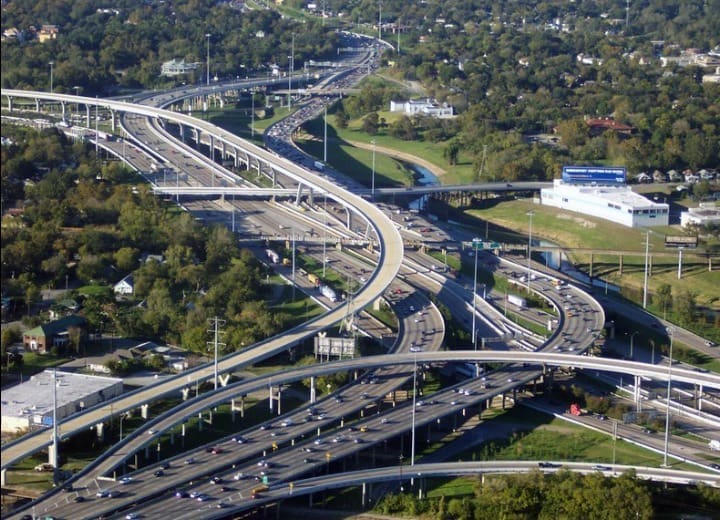
United States — Interstate 10 (I-10)
I-10 is one of the longest highways in the U.S., stretching coast to coast from California to Florida. It’s especially modern in Texas, where wide lanes and advanced signage ensure smooth and safe traffic, making it a backbone of national transportation.

Germany — Autobahn A7
Germany’s famous Autobahn A7, the country’s longest highway, is a global symbol of road excellence. With stretches that have no speed limits and impeccable maintenance, it offers a unique driving experience that attracts both locals and speed-loving tourists.

Japan — Tomei Expressway
Connecting Tokyo and Nagoya, the Tomei Expressway is one of Japan’s key routes. Its multiple lanes, electronic toll systems, and advanced monitoring make it one of the most technologically sophisticated highways in the world.

Singapore — Pan Island Expressway (PIE)
In a compact country like Singapore, the PIE is essential: the nation’s longest highway boasts numerous lanes, flawless signage, and a smart traffic management system, ensuring fast and efficient commutes.

South Korea — Gyeongbu Expressway (Seoul–Busan)
Linking the country’s two largest cities, this expressway is a showcase of modern engineering. With multiple lanes and electronic toll and monitoring systems, the trip between Seoul and Busan is both comfortable and safe.

Netherlands — A2 (Amsterdam–Maastricht)
The A2 is one of the Netherlands’ most important highways, heavily trafficked and impeccably maintained. With wide, multi-lane sections, it serves as a European model of efficient infrastructure connecting major cities.

United Arab Emirates — Sheikh Zayed Road (E11)
In Dubai, this spectacular highway is more than just a road—it’s an urban symbol. Surrounded by skyscrapers and featuring up to 12 lanes in some sections, Sheikh Zayed Road reflects the emirate’s luxury and architectural ambition.

Australia — M1 Pacific Motorway
Linking Sydney and Brisbane, the M1 is vital for freight and passenger transport in Australia. Its modern lanes and efficient design make it one of the best highways in the Southern Hemisphere.

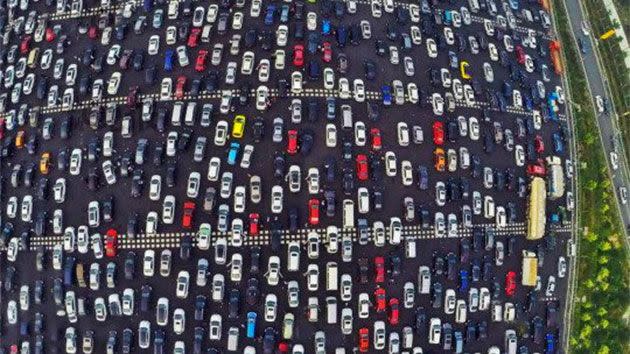
China — G4 Beijing–Hong Kong–Macau Expressway
One of China’s longest and most important expressways, the G4 is crucial for connecting three major regions. With numerous lanes, electronic tolls, and advanced technology, it stands as a major transportation artery in the world’s most populous country.


How to Perform a Pre-Trip Inspection: A Guide for Truck Drivers
A pre-trip inspection is one of the most important procedures for any truck driver.

Best Road Tunnels to Visit in the USA
Some cut through towering mountain ranges, while others pass beneath rivers, bays, and major urban centers: these are the best road tunnels.

How Many Miles Does the 2026 World Cup Move?
With host cities located more than 2,800 miles apart, the 2026 FIFA World Cup is testing one of the most ambitious logistics operations in sports history.

The History of Soccer: From an Ancient Game to the World’s Most Popular Sport
Soccer is much more than a sport, it’s a passion that brings together cultures, generations, and entire nations.

Truck Accident Compensation: Economic, Non-Economic, and Punitive Damages
In addition to physical injuries, victims of truck accidents often face emotional trauma and financial hardships that affect their quality of life.

U.S. Dismantles Chinese Espionage Network: Transportation Is at Risk
The seizure of 13 internet domains allegedly used for espionage linked to China has once again highlighted growing cybersecurity concerns. Experts warn that transportation and logistics companies are becoming increasingly attractive targets because of the critical information they manage regarding cargo, routes, and supply chains.