As top negotiators from the United States and China prepare to meet, President Donald Trump has hinted at the possibility of easing tariffs that have strained global markets and rattled businesses worldwide.
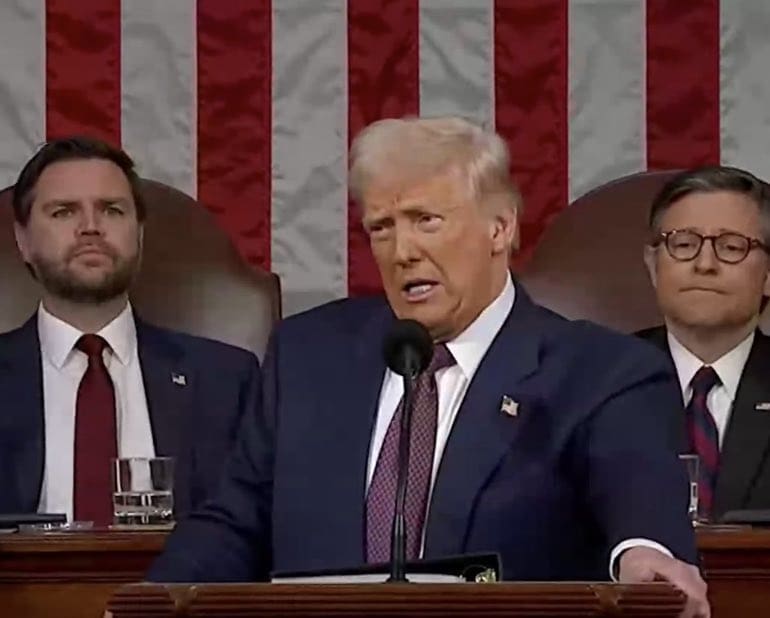
President Donald Trump has suggested that U.S. tariffs on Chinese goods — currently as high as 145% — could soon be reduced.
“You can’t get any higher. It’s at 145, so we know it’s coming down,” Trump remarked during an event where he announced a new trade deal with the United Kingdom — the first of its kind since his administration imposed widespread levies last April.
The upcoming talks, set to take place in Switzerland this weekend, represent the clearest sign yet that Washington and Beijing are prepared to dial down a trade conflict that has sent shockwaves across financial markets.

Optimism on both sides
Describing the mood heading into negotiations, Trump said, “I think it’s a very friendly meeting. They look forward to doing it in an elegant way.” China’s Vice Foreign Minister Hua Chunying also expressed confidence, stating that Beijing has “full confidence” in its ability to manage trade relations with the U.S.
According to Dan Wang of the Eurasia Group, both governments are facing increasing economic pressure. “The recent signals from both sides suggest a transactional de-escalation is on the table,” she told the BBC.
Analysts warn of a long road ahead
While the announcement of talks was widely seen as a positive step, experts caution against expecting swift solutions. Former U.S. trade negotiator Stephen Olson noted to BBC: “The systemic frictions between the U.S. and China will not be resolved any time soon.” Even if the meeting yields tariff cuts, they are likely to be “minor,” he added.
Initial negotiations will be led by U.S. Treasury Secretary Scott Bessent and China’s economic chief, Vice Premier He Lifeng. Still, Olson stressed, “Everyone recognizes that any final deal will require the active engagement of both presidents.”
Eswar Prasad, former head of the IMF’s China division, echoed this sentiment, saying, “A realistic goal is probably at best a pullback from the sky-high bilateral tariffs, but that would still leave in place high tariff barriers and various other restrictions.”
Trade tensions ripple through global economy
Official data released Friday showed that China’s exports to the U.S. plummeted by over 20% in April compared to a year ago. Yet, overall Chinese exports rose by a stronger-than-expected 8.1%, signaling resilience despite trade tensions.
Meanwhile, the UK recently became the first country to strike a tariffs deal with the Trump administration. As part of the agreement, the U.S. will ease import taxes on British cars and allow certain steel and aluminum products tariff-free entry — offering relief to key UK industries.
U.S. businesses feel the pinch
Back home, American companies are watching developments closely. Wild Rye, an Idaho-based women’s outdoor apparel brand, has been hit hard by the tariffs due to its manufacturing operations in China.
“The cost of shipping goods has jumped significantly,” CEO Cassie Abel told the BBC’s Today program. “We have a purchase order incoming worth around $700,000 in goods, and now we’re facing £1.2 million in levies — up from £200,000.” Abel revealed she is now exploring the sale of parts of her company to raise cash.

What Is the Difference Between Class A, B, and C Licenses?
Commercial licenses are required to operate large or specialized vehicles; learn about the differences.

The Perfect Road Trip Playlist for Truck Drivers in June
Whether you’re crossing highways, desert routes, late-night roads, or just taking a short trip, the best companion on a road trip will always be a good playlist.

From Alcatraz to Modern Prisons: How Supply Trucks Operate Behind Maximum-Security Walls
Maximum-security prisons depend on highly controlled logistics networks to receive food, water, medicine, fuel, equipment and other essential supplies. Since Donald Trump floated the idea of reopening Alcatraz, one question has resurfaced: How are these facilities supplied, and what protocols must truck drivers and vendors follow to gain access?

Oakland’s New Speed Cameras Generate 82,000 Tickets in Just One Month
The cameras had been issuing warnings since January 14, 2026, and officially began issuing speeding tickets on March 15, 2026.

How Traffic Congestion Is Forcing Fleets to Rethink Operations
Traffic congestion is redefining freight transportation operations, what are fleets doing to survive?

Ten Ways to Improve Truck Fuel Efficiency and Reduce Costs
How better fuel efficiency can help truck drivers and fleets lower operating expenses and improve profitability