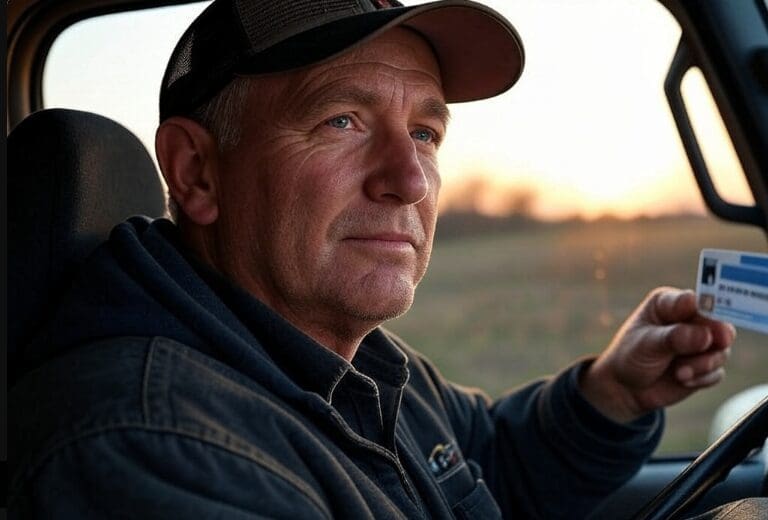
Proposed cuts to Medicaid currently under discussion in Congress could strip millions of Americans of their health coverage — including thousands of truck drivers who rely on this program to access essential medical services
What Changes Are Being Discussed?
The House Energy and Commerce Committee, led by Republicans, is considering a package of Medicaid cuts as part of a broader plan to reduce federal spending by $880 billion. The goal is to help fund $4.5 trillion in tax cuts promoted by the current administration.
According to the Congressional Budget Office (CBO), the proposed changes could:
Eliminate certain services for 10.3 million people
Leave 7.6 million individuals without any health insurance at all

How Would This Affect Truckers?
Truck drivers — particularly independent contractors and owner-operators under 1099 status — are among the most vulnerable groups under the proposed changes.
1. Stricter Work Requirements
Medicaid beneficiaries under 65 without dependents would be required to prove they work or participate in community engagement activities at least 80 hours per month to keep their coverage.
Truckers with unstable jobs, suspended licenses, or unclear work documentation may risk losing coverage under these conditions.
2. Eligibility Redetermination Every 6 Months
Currently, eligibility is reviewed annually. The new legislation proposes semiannual reviews, increasing the chance of coverage loss due to paperwork delays or administrative errors.
Many truckers spend weeks on the road, making it difficult to respond to verification requests on time.
3. Mandatory Copayments
Families earning above 100% of the federal poverty line (approximately $32,000 per year for a family of four) would be required to pay up to $35 in copays for certain medical services.
This would significantly impact truckers who barely exceed the income threshold but lack private insurance.
4. Limited Coverage Across State Lines
Because Medicaid is administered at the state level, drivers traveling nationwide may find themselves without access to healthcare in other states — a vulnerability the proposed law does not address.
Who Else Would Be Affected?
Undocumented immigrants: States that allow their enrollment would face a 10% cut in federal Medicaid funding.
Older adults and pregnant women would be exempt from work requirements.
Planned Parenthood and gender transition-related care would be excluded from Medicaid funding, including puberty blockers, hormone therapy, and surgeries for minors.
What Are Lawmakers Saying?
House Speaker Mike Johnson argued that Medicaid should focus on “vulnerable populations” like the elderly, pregnant women, and people with disabilities — not “able-bodied young men without dependents.”
In contrast, Democratic Representative Frank Pallone warned the bill could lead to hospital closures, make care less accessible for seniors, and increase insurance premiums for everyone.

What Can Truckers Do?
Check their eligibility status on their state’s Medicaid website
Update personal information before redetermination periods begin
Explore alternative plans through HealthCare.gov
Seek legal or union support if facing an unfair cancellation or unclear documentation requirements

The best Christmas gifts for a trucker
Find the best Christmas gifts for truck drivers with these options based on their needs and personality. The holiday season is often a challenging time

Cannabis reclassification could affect the trucking industry, ATA warns
President Donald Trump signed an executive order directing his administration to reclassify cannabis into a less restrictive federal category, could this affect the trucking industry?

ATA Calls for Tougher Penalties Against Cargo Theft
Cargo theft has moved from being an industry nuisance to a national concern. The American Trucking Associations (ATA) warned Congress that the crime is draining billions from the U.S. supply chain, disrupting logistics operations, endangering drivers, and increasingly intersecting with organized crime and national security threats—prompting renewed calls for stronger federal penalties and coordinated enforcement.

The first Bipartisan Trucking Caucus
Led by a group of lawmakers who come together to pursue shared policy goals, the caucus will focus on the integrity, safety, and growth of

NDAA passed with new protections for truck drivers and military freight
Congress approved the National Defense Authorization Act, a key piece of legislation that includes provisions aimed at protecting truck drivers. Congress approved this week the

California to Reissue Contested Commercial Driver’s Licenses, Challenging Federal Pressure
California plans to reissue contested commercial driver’s licenses (CDLs), reopening a regulatory dispute with federal authorities and raising key questions for the U.S. trucking industry.