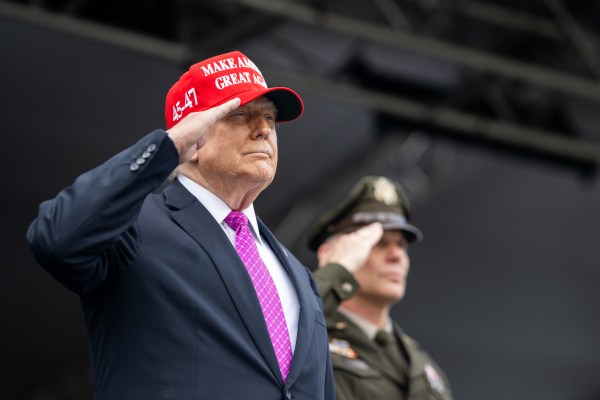
President Donald Trump signed a new executive proclamation this week reinstating migration restrictions on citizens from 19 countries, citing national security threats and inadequate information-sharing protocols.
resident Donald Trump signed a new executive proclamation this week reinstating migration restrictions on citizens from 19 countries, citing national security threats and inadequate information-sharing protocols. The measure, which revives and expands the controversial travel ban, has raised alarm among transport, logistics, and trade experts due to its potential impact on workforce mobility and international supply chains.
The renewed travel restrictions pose significant challenges for the U.S. transportation industry, which increasingly relies on foreign-born drivers—particularly in states like Texas, Florida, and New Jersey that face chronic labor shortages.
“Many companies employ drivers with temporary work visas or pending legal status. If new workers can’t enter or renew their permits, operational capacity will inevitably shrink,” warned a fleet manager based in Houston.
The proclamation identifies countries with high visa overstay rates, unreliable identity verification systems, and limited cooperation with U.S. authorities as key risk factors. This could lead to longer processing times for international transport contracts and additional bureaucratic hurdles.

Trade Tensions with Sanctioned Countries
The executive order also impacts nations that maintain commercial ties with U.S. logistics firms. Countries like Iran, Chad, and Sudan are integral to import routes for raw materials, spare parts, and textiles.
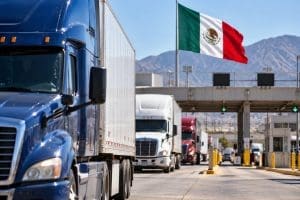
Business travel restrictions and suspended technical visit visas complicate relationships with suppliers or clients in these regions. On the customs front, operators expect enhanced scrutiny, longer verification times, and stricter security protocols—particularly for shipments arriving from the Middle East, North Africa, or crossing the U.S.–Mexico border.
Security Rationale, Economic Consequences
Trump defended the policy in the official proclamation, stating, “It is the policy of the United States to protect its citizens from terrorist attacks and other national security threats.” The decision follows an interagency review involving the Department of State, Department of Homeland Security, and national intelligence bodies.
The measure affects both immigrant and nonimmigrant categories, including B-1/B-2 (business/tourism), F (students), M (vocational), and J (exchange) visas—excluding a handful of government-defined exceptions.
An Uncertain Future for Transportation and Trade
Industry consultants warn the proclamation comes at a vulnerable time for U.S. transportation, which is still recovering from the pandemic, supply chain disruptions, and labor volatility. Rising fuel costs, demand spikes, and shifting international relations have already stretched operations thin.
The travel ban may further strain labor availability and force companies to rethink hiring strategies, route planning, and supplier agreements.
“The impact won’t be immediate, but it will be cumulative. Businesses must reevaluate immigration procedures, adapt foreign workforce contracts, and prepare for trade route changes. Proactivity is key,” concluded a logistics analyst.

Truck drivers are at high risk of developing diabetes
About 11% of the adult population meets the criteria for prediabetes, and there is a particular group at high risk: truck drivers. Diabetes rates in

Starting in trucking: required permits, registrations, and compliance
Are you a new carrier? This is what you need to know about permits, registration, and compliance. The trucking industry can be quite challenging for

Alberta Clipper Brings an Early Polar Blast: A Critical Alert for Drivers
The Alberta Clipper is sweeping across the country with fast-moving Arctic air, sharp temperature drops, and dangerous road conditions that demand heightened attention from all professional drivers.

American manufacturers trigger truck “dumping” investigation
Foreign trailer manufacturers under investigation for alleged “dumping” in the U.S. The U.S. truck market is at the center of a trade dispute. After domestic

ATRI Warns: Litigation Is Rising Across the U.S. Trucking Industry
A new report from the American Transportation Research Institute (ATRI) reveals how escalating litigation, higher legal costs, and mounting insurance pressures are reshaping the U.S. trucking industry. The findings mark a critical moment for motor carriers, insurers, and logistics stakeholders who must understand the changing legal environment — and the increasingly strategic role of strong insurance partnerships.

FMCSA says no to hours-of-service exemptions
FMCSA rejects two requests for exemptions to hours-of-service rules for commercial drivers. The Federal Motor Carrier Safety Administration (FMCSA) has denied two exemption requests related