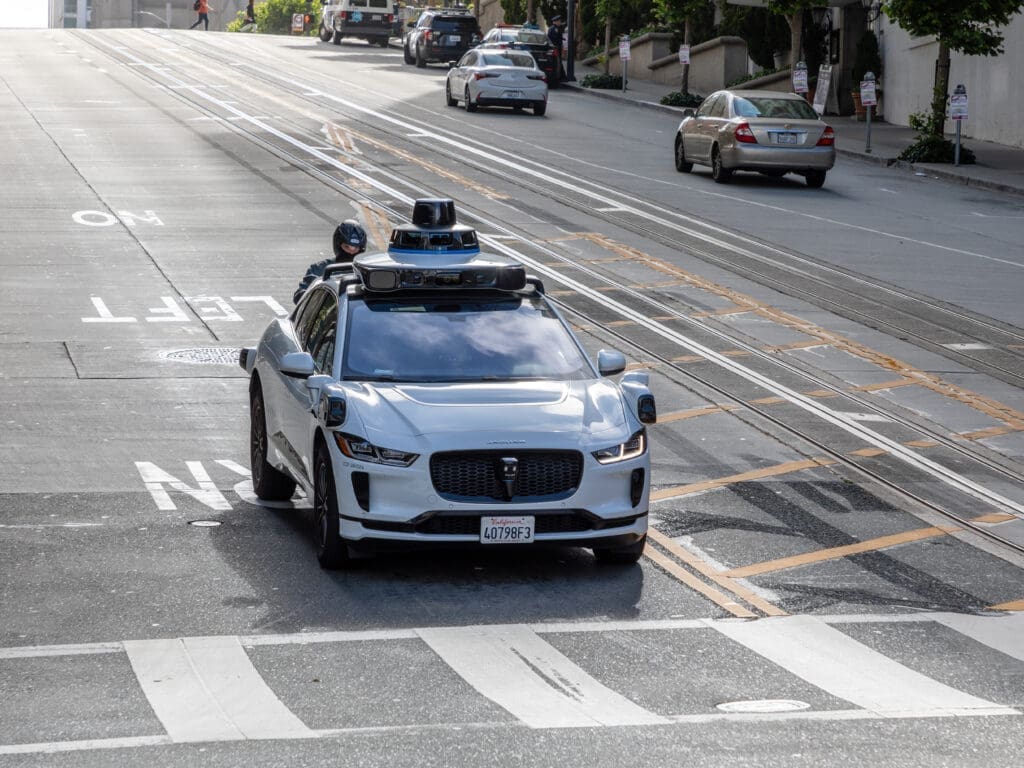
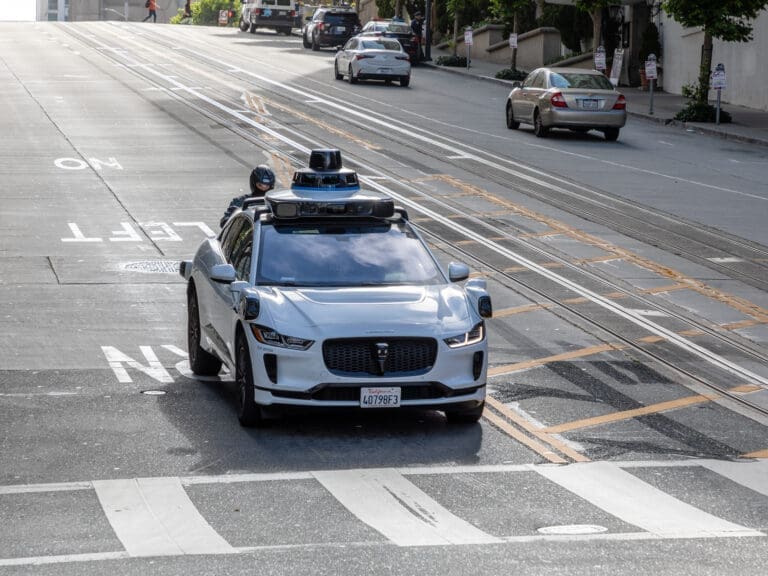
Waymo’s robotaxis will begin operating in Atlanta in partnership with Uber.
Starting June 24, Waymo’s robotaxis will begin operating in Atlanta in partnership with Uber. This initiative, which debuted earlier this year in Austin, Texas, is part of a strategic collaboration between the two companies and has already been approved for implementation in Georgia’s capital.
In less than four months since the start of their partnership, Waymo and Uber have deployed nearly 100 fully autonomous vehicles in Austin. The expansion to Atlanta reaffirms both companies’ commitment to the roadmap they set out last September.

Waymo’s robotaxis arrive in Atlanta
In Atlanta, the system will function similarly to the one in Austin: robotaxis can be requested through the Uber app, with an option to choose a human-driven vehicle if the passenger prefers. Initially, the service will cover a 65-square-mile area within the Atlanta metropolitan market, with plans for further expansion, according to Transport Topics.
The Waymo app is already available in Phoenix, Los Angeles, and a growing portion of the San Francisco Bay Area. Thanks to its partnership with Uber, Waymo currently provides over 250,000 paid rides per week.
Alphabet’s decision to launch in Atlanta comes just days after Tesla rolled out a limited robotaxi service in Austin. However, unlike Waymo, Tesla still requires a safety driver on board to intervene if necessary. Waymo’s vehicles, on the other hand, operate in fully autonomous mode.

Robotaxi competition is heating up
Waymo is not the only company aiming to dominate this market. On one hand, Elon Musk has reiterated that Tesla’s robotaxi service could scale rapidly, while Amazon plans to launch its autonomous Zoox taxis in Las Vegas by the end of this year, with expansion to San Francisco expected in 2026.
Uber had also aimed to develop its own robotaxis. However, the company ultimately chose to pursue strategic partnerships to remain competitive in the autonomous transport sector. Currently, Uber maintains 18 partnerships with robotaxi operators worldwide and estimates it is on track to complete around 1.5 million autonomous rides annually—either for passenger transport or food delivery.
In April, the administration of President Donald Trump unveiled its first policy measures aimed at removing regulatory barriers for autonomous vehicles, as part of an effort to foster innovation in the sector and strengthen U.S. competitiveness against countries like China. These developments have encouraged companies to stay in the market and continue expanding their reach across the United States.

TAA Compliance: When Safety Complaints Turn Into Six-Figure Losses
STAA compliance is no longer a technical detail for fleet owners—it is a financial, legal, and insurance exposure. A recent enforcement action in Texas shows how mishandling safety complaints can lead to termination claims, retaliation findings, and six-figure penalties, and what carriers must do to avoid becoming the next case

U.S. labor market raises red flags on Wall Street
The U.S. labor market closed 2025 with clear signs of weakening, as evidenced by the latest employment data released in December. In the latest episode

DOT finds half of North Carolina CDLs were issued illegally
The DOT warns that half of North Carolina’s CDL licenses are irregular after a federal audit uncovered serious compliance failures. The findings directly affect truckers, fleets, and transportation companies, raising urgent questions about road safety, legal operations, and the future of the trucking industry.

California’s Unhealthy Air: Impacts on Trucking and Freight
Unhealthy Air Quality in California: What Repeated Pollution Alerts Mean for Trucking and Freight Operations

Global Road Freight on Track to Hit USD 5 Trillion by 2033
Global Road Freight on Track to Hit USD 5 Trillion by 2033 as e-commerce growth, supply chain restructuring, and technology adoption accelerate demand for road-based cargo transport worldwide.

California misses DOT deadline risking $160 million in federal funding
The state of California has reached the deadline set by the DOT to take action regarding the situation involving the number of non-domiciled CDLs issued