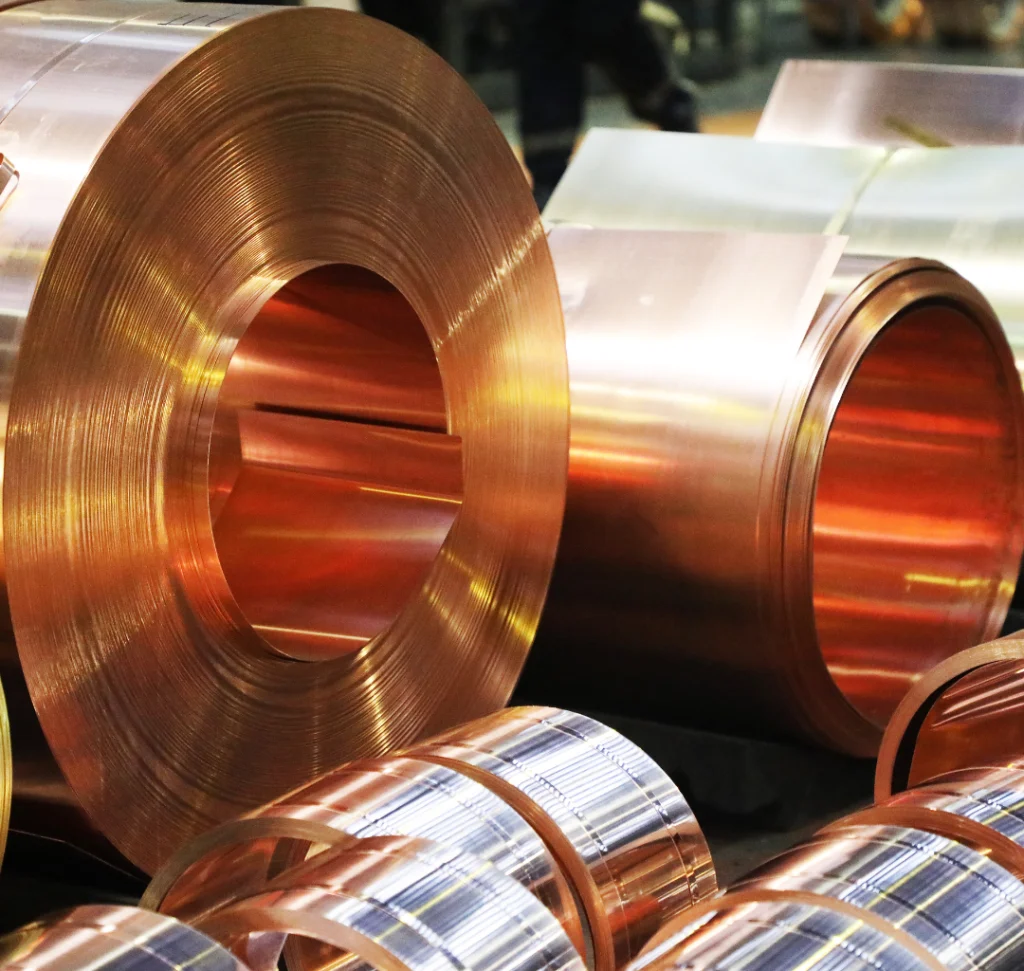
President Donald Trump announced a 50% tariff on copper imports and stated he is considering a 200% levy on imported pharmaceutical products.
As part of his plan to encourage the return of industrial production to the United States, President Donald Trump announced a 50% tariff on copper imports and stated he is considering a 200% levy on imported pharmaceutical products — a measure that could take effect later this year.
Commerce Secretary Howard Lutnick said the copper tariff could be implemented as early as August 1. “The idea is to bring copper home, to bring copper production home,” he said in an interview with CNBC.

Tariff increases on copper and pharmaceuticals
Although the U.S. has domestic copper production, the country imported approximately $17 billion worth of copper in 2024, according to the Department of Commerce. The leading suppliers were Chile, Canada, Peru, and Mexico.
In February, Trump ordered an investigation into copper imports under Section 232, a legal provision that allows the president to impose higher tariffs on the grounds of national security.
Experts warn that these tariffs could drive up prices for American consumers, as copper is a key component in electronics, machinery, and the automotive industry. Since the announcement, copper prices have surged to historic highs. Copper futures in New York rose by as much as 15%, reaching a record $5.68 per pound, according to CNN.
In addition to copper, President Trump also announced his intention to impose a 200% tariff on imported pharmaceutical products, although he acknowledged that the measure may take time to go into effect. During his previous administration, Trump exempted medicines from tariffs; however, he now aims to bring pharmaceutical production back to the U.S. through elevated import duties.
Several drug manufacturers have announced plans to expand their operations in the United States, although some of these initiatives were already underway before Trump took office in January.

Tariff pause extended, new rates possible in August
As trade negotiations continue, President Trump has extended the so-called “reciprocal tariff pause” until August 1. The tariffs, briefly implemented in April, were originally set to resume at 12:01 a.m. ET on Wednesday.
As part of his strategy, Trump has sent a flurry of letters to world leaders notifying them of the tariff rates that could take effect in August if no new trade agreements are reached. These notifications began on July 7, ahead of the original deadline for concluding trade talks this week.
President Trump has also warned countries against retaliating, stating that any countermeasures would be met with an equivalent increase in U.S. tariffs.

How 36 Years of Construction Built America’s Interstate Highway System
How long did it really take the U.S. to build the Interstate Highway System?
Indiana Detects Violations During Oversized Load Enforcement Operation
The operation involved state troopers and motor carrier inspectors working together to verify trucks transporting oversized loads in Indiana.

DOT Brings Freight Leaders Together to Reduce Cargo Delays
More than 54 million tons of goods move through the U.S. freight network every day. The DOT brought together over 100 industry leaders to reduce delays and logistics costs through its FLOW program

Pythons Spread to New Areas of Florida, Posing a Challenge for Trucking
The discovery of a new breeding population in Charlotte County, near I-75 and US-41, raises potential concerns for truck drivers, trailers, and logistics facilities across Florida. How these invasive snakes could hitch a ride in commercial vehicles.

Nevada’s Runaway Ramps Save Lives
Runaway ramps on highways help stop vehicles experiencing brake failure, saving lives on the road.

California Highway Patrol Inspections: What They Check on Commercial Trucks and How to Prepare
Learn what the California Highway Patrol checks on commercial trucks in California, including brakes, tires, documents, hours of service, and safety.