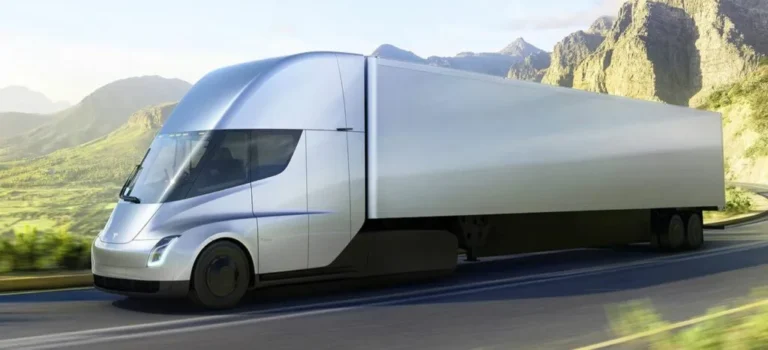
The Tesla Semi test included highway and regional routes in Reno and Sacramento, as well as operations in the Bay Area.
ArcBest’s freight transportation company, ABF Freight, carried out a three-week pilot program using a battery-electric Tesla Semi. The test included highway and regional routes in Reno and Sacramento, as well as operations in the Bay Area to assess rail shuttle performance.
ABF Freight covered 4,494 miles with the electric Tesla Semi, averaging 321 miles per day, and reported an overall energy efficiency of 1.55 kilowatt-hours (kWh) per mile. According to the company, the vehicle performed well across routes, including the 2,000-meter climb over Donner Pass, and matched the performance of its diesel counterparts.

ABF Freight seeks EVs that surpass performance targets: is Tesla Semi the one?
Overall, drivers who participated in the pilot program shared positive feedback, highlighting the vehicle’s comfort, safety, and ease of use. Features such as the central seating position, wide visibility, and intuitive controls significantly contributed to a better driving experience, according to the company.
In terms of efficiency, ABF’s energy consumption per mile was slightly higher than that reported by companies such as Pepsi and DHL. It’s worth noting that for battery-electric vehicles, lower kWh-per-mile figures indicate higher efficiency.
ABF Freight president Matt Godfrey stated that the company is not just looking for a truck that’s “good for an EV,” but one that meets, or even exceeds, the performance and total cost of ownership targets of the most efficient diesel units. “This pilot gives us great insight into the potential of electric semis in our operations,” Godfrey said.
Although the Tesla Semi met performance expectations and was well received by drivers during the trial, a major challenge remains in the industry: the continued need for charging infrastructure development. Over the past decade, efforts have been made to increase the adoption of electric vehicles in the transportation sector. However, the charging infrastructure has not progressed at the same pace as vehicle deployment. As a result, many freight companies remain hesitant to transition to electric vehicles.

Sustainable logistics solutions that create value for customers
This pilot project is part of ArcBest’s broader efforts to explore electric vehicles across its operations. The company currently operates nine electric yard tractors, two electric forklifts, and two Class 6 electric trucks.
ArcBest stated that it will continue to assess the long-term viability of Class 8 electric vehicles within its fleet, focusing on leveraging innovation to improve efficiency, reduce emissions, and deliver sustainable logistics solutions that create value for its customers.

Frequently Asked Questions About Trucking in Washington
100 questions and answers for truck drivers operating in the state of Washington.

Washington updates its freight corridors: how truck navigation will change on I-5, I-90, and other key routes.
The State of Washington is updating its planning for the state’s most important freight corridors with a clear goal: improving commercial truck traffic, strengthening supply

Washington speeds up new logistics hub development to strengthen freight transportation and trade with Canada
Washington is expanding its network of logistics hubs through investments in ports, highways, and distribution centers to streamline freight transportation.

Washington Commercial Vehicle Laws: What Truckers Must Know
Washington combines state requirements with numerous federal regulations that apply to commercial transportation

Your Truck Was Declared a Total Loss: Who Decides What It Is Really Worth in Washington?
The accident may be over in seconds. The dispute over what the vehicle is actually worth can last much longer. Since 2026, Washington has introduced a new tool to resolve certain valuation disputes between policyholders and insurance companies.

Why Some Washington Carriers Are Harder to Insure
Accidents, maintenance, drivers, and safety records can complicate a carrier’s risk profile. What Washington truckers should review before insurance renewal.