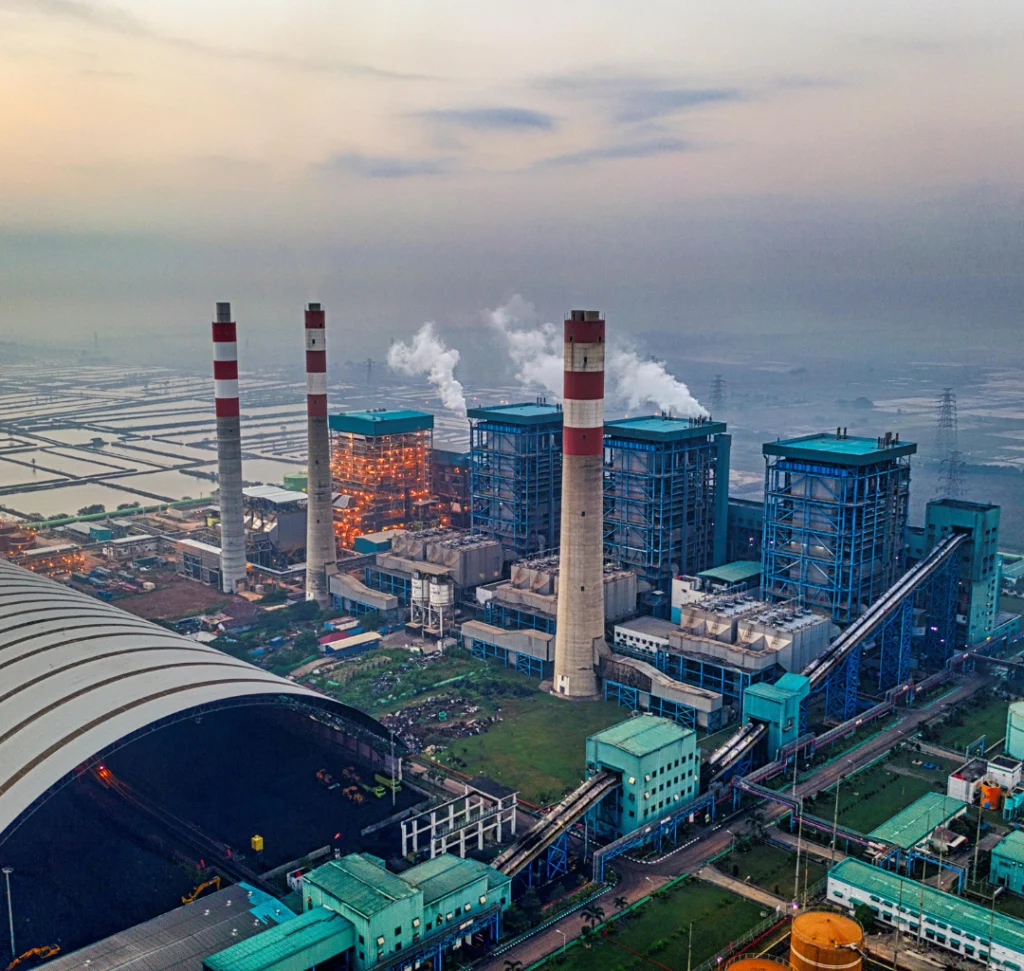
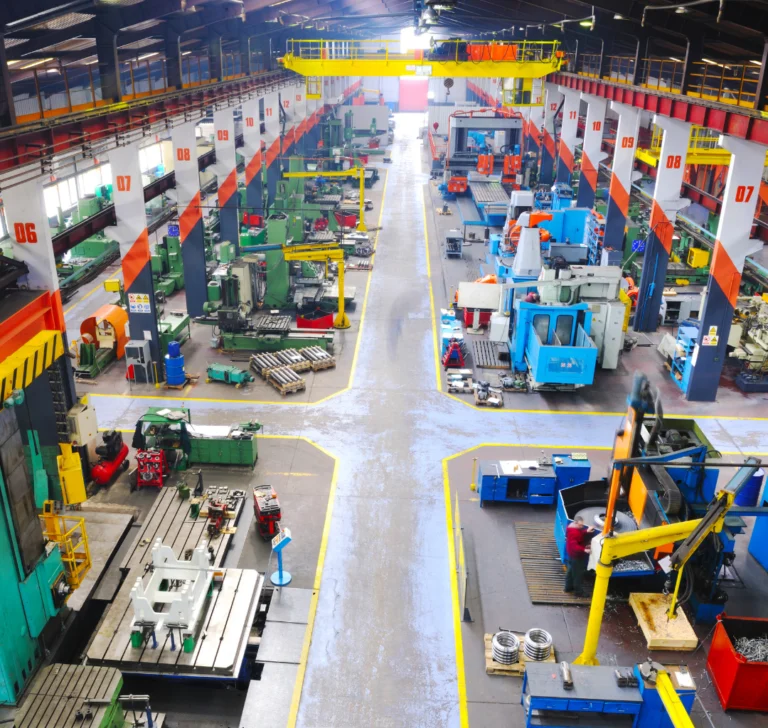
Manufacturing industries, including vehicle production, will face rising input costs due to the very tariff regime.
The manufacturing sector is beginning to feel the effects of the tariff policies implemented by President Donald Trump, according to a recent analysis by the Washington Center for Equitable Growth. Based on the shared data, factory costs could rise by between 2% and 4.5% overall, presenting a new challenge for the manufacturing sector and the global supply chain.
Chris Bangert-Drowns, a researcher at the Washington Center for Equitable Growth who conducted the analysis, stated that this increase suggests a liquidity crisis for many companies, which could “lead to wage stagnation, if not layoffs and plant closures,” if the costs become unsustainable.
According to the analysis, the success of Trump’s policies depends on whether industrial cities experience a revival. With new trade agreements with the European Union, Japan, the Philippines, Indonesia, and the United Kingdom, an increase in import taxes would be applied to the United States.

The manufacturing sector is the most affected by tariffs
Although tariffs have not been as high as initially proposed, there is still a possibility they could lead to price increases and a slowdown in economic growth, especially as their effects spread more broadly across the global economy.
President Trump argues that revenue generated by tariffs will help reduce the budget deficit and promote job creation in domestic factories, while minimizing the risks of widespread price increases. However, a June survey by the Federal Reserve Bank of Atlanta indicated that, on average, companies would pass on about half of the tariff costs to American consumers through price increases, according to Transport Topics.
The analysis by the Washington Center for Equitable Growth aims to demonstrate how the potential economic and political costs could affect critical sectors such as manufacturing, construction, mining, and maintenance of oil infrastructure—industries that are highly dependent on imports and a stable supply chain.
According to the Center’s data, manufacturing industries, including vehicle production, will face rising input costs due to the very tariff regime intended to enhance their competitiveness against imported goods.
The analysis found that the manufacturing industry would be the most vulnerable industrial category, regardless of the specific characteristics of the products or the countries targeted by a given tariff regime. While some subsectors will be more affected than others, the overall dependence of the sector on imported inputs means the manufacturing industry will face higher intermediate tariff costs compared to other industries. In fact, of the 25 most tariff-impacted subsectors in the U.S. economy, 19 belong to manufacturing, according to Bangert-Drowns.

The future of manufacturing is uncertain
The manufacturing and construction industries are particularly vulnerable to the effects of tariffs, which is significant for the U.S. economy not only because of their key role in the supply chain but also because they employ a large portion of the workforce.
The report concludes that the manufacturing sector is the most exposed, followed by construction, mining, energy, and repair and maintenance. More than 23 million workers could face wage stagnation or job losses as companies pass tariff costs onto employees. Additionally, the economic impact could have political consequences, especially in key states such as those in the Midwest.

Trucker Fashion: A Revolution Born on the Road That Still Sets the Trend
Trucker fashion remains relevant due to its authenticity, its seamless integration into streetwear, and its reinterpretation by luxury brands, consolidating itself as a revolution born on the road that evolved from a work uniform into a global cultural symbol

North Dakota among states regaining non-domiciled CDL authority
North Dakota will reissue approximately 150 of the 526 CDLs and CLPs for non-resident drivers that were active during the FMCSA audit.

The Growing Threat of Chameleon Fleets
A CBS ‘60 Minutes’ investigation exposes the rise of ‘Chameleon Fleets’ in the U.S. trucking industry.

US transportation begins to show signs of recovery
With tonnage at record levels and rates on the rise, carriers are leading the expansion of the logistics market. If the forecasts hold true, years of uncertainty could be over.

Trump Administration Restarts California Pipeline to Lower Gasoline Prices
Under Trump, the restart of the Santa Ynez Pipeline aims to boost local crude supply and impact gasoline prices amid persistently high energy costs in California.

Lawmakers push to raise minimum truck insurance compensation to $5 million
The “Fair Compensation for Truck Crash Victims Act” seeks to increase insurance requirements for interstate motor carriers.