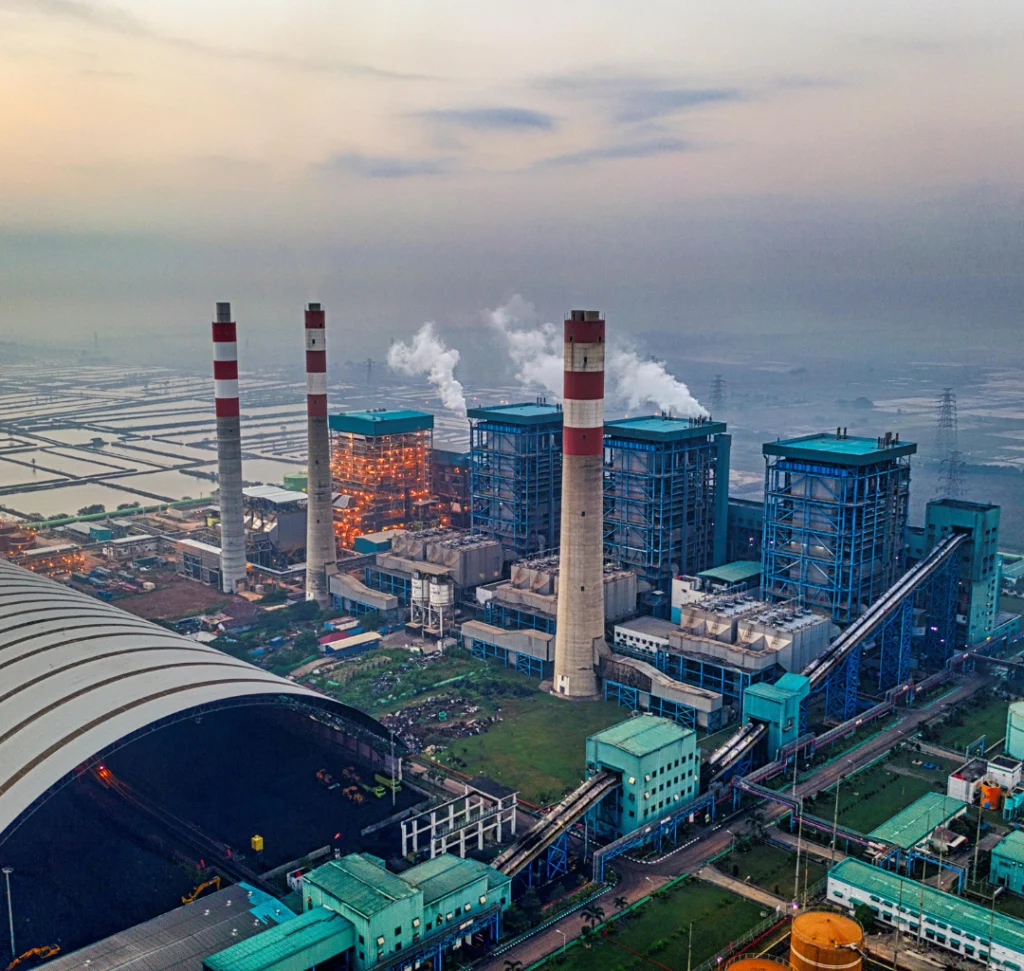
Manufacturing industries, including vehicle production, will face rising input costs due to the very tariff regime.
The manufacturing sector is beginning to feel the effects of the tariff policies implemented by President Donald Trump, according to a recent analysis by the Washington Center for Equitable Growth. Based on the shared data, factory costs could rise by between 2% and 4.5% overall, presenting a new challenge for the manufacturing sector and the global supply chain.
Chris Bangert-Drowns, a researcher at the Washington Center for Equitable Growth who conducted the analysis, stated that this increase suggests a liquidity crisis for many companies, which could “lead to wage stagnation, if not layoffs and plant closures,” if the costs become unsustainable.
According to the analysis, the success of Trump’s policies depends on whether industrial cities experience a revival. With new trade agreements with the European Union, Japan, the Philippines, Indonesia, and the United Kingdom, an increase in import taxes would be applied to the United States.

The manufacturing sector is the most affected by tariffs
Although tariffs have not been as high as initially proposed, there is still a possibility they could lead to price increases and a slowdown in economic growth, especially as their effects spread more broadly across the global economy.
President Trump argues that revenue generated by tariffs will help reduce the budget deficit and promote job creation in domestic factories, while minimizing the risks of widespread price increases. However, a June survey by the Federal Reserve Bank of Atlanta indicated that, on average, companies would pass on about half of the tariff costs to American consumers through price increases, according to Transport Topics.
The analysis by the Washington Center for Equitable Growth aims to demonstrate how the potential economic and political costs could affect critical sectors such as manufacturing, construction, mining, and maintenance of oil infrastructure—industries that are highly dependent on imports and a stable supply chain.
According to the Center’s data, manufacturing industries, including vehicle production, will face rising input costs due to the very tariff regime intended to enhance their competitiveness against imported goods.
The analysis found that the manufacturing industry would be the most vulnerable industrial category, regardless of the specific characteristics of the products or the countries targeted by a given tariff regime. While some subsectors will be more affected than others, the overall dependence of the sector on imported inputs means the manufacturing industry will face higher intermediate tariff costs compared to other industries. In fact, of the 25 most tariff-impacted subsectors in the U.S. economy, 19 belong to manufacturing, according to Bangert-Drowns.

The future of manufacturing is uncertain
The manufacturing and construction industries are particularly vulnerable to the effects of tariffs, which is significant for the U.S. economy not only because of their key role in the supply chain but also because they employ a large portion of the workforce.
The report concludes that the manufacturing sector is the most exposed, followed by construction, mining, energy, and repair and maintenance. More than 23 million workers could face wage stagnation or job losses as companies pass tariff costs onto employees. Additionally, the economic impact could have political consequences, especially in key states such as those in the Midwest.

40 major U.S. airports to see flight reductions due to government shutdown
40 U.S. airports, including those in New York, Los Angeles, and Chicago, will see flight reductions starting November 7 due to the government shutdown. 40

DOT Medical Card: Keeping Medical Certification Up to Date
Keeping your DOT Medical Card current is essential for both drivers and fleet operations.
Brake Safety Week 2025 results: almost 85% of commercial vehicles had no violations
Results of Brake Safety Week, organized jointly by the Commercial Vehicle Safety Alliance (CVSA) and the Department of Transportation, have been published. Results of Brake

UPS Crash in Kentucky: The Critical Role of Drivers and Dashcams
The UPS crash in Kentucky highlighted how truck drivers often become first witnesses to major incidents, with dashcam footage providing essential evidence for investigators, fleet managers, and insurers

The 2025 Capitol Christmas Tree tour kicks off by the hand of Knight-Swift
The nearly 3,000-mile journey of the U.S. Capitol Christmas Tree began with a special celebration at the Nevada Day Parade in Carson City. The month

A new study links traffic accidents to violations of the ELP regulation
A new study analyzed the relationship between traffic accidents and drivers who violate the English Language Proficiency (ELP) regulation. A new study analyzed the relationship